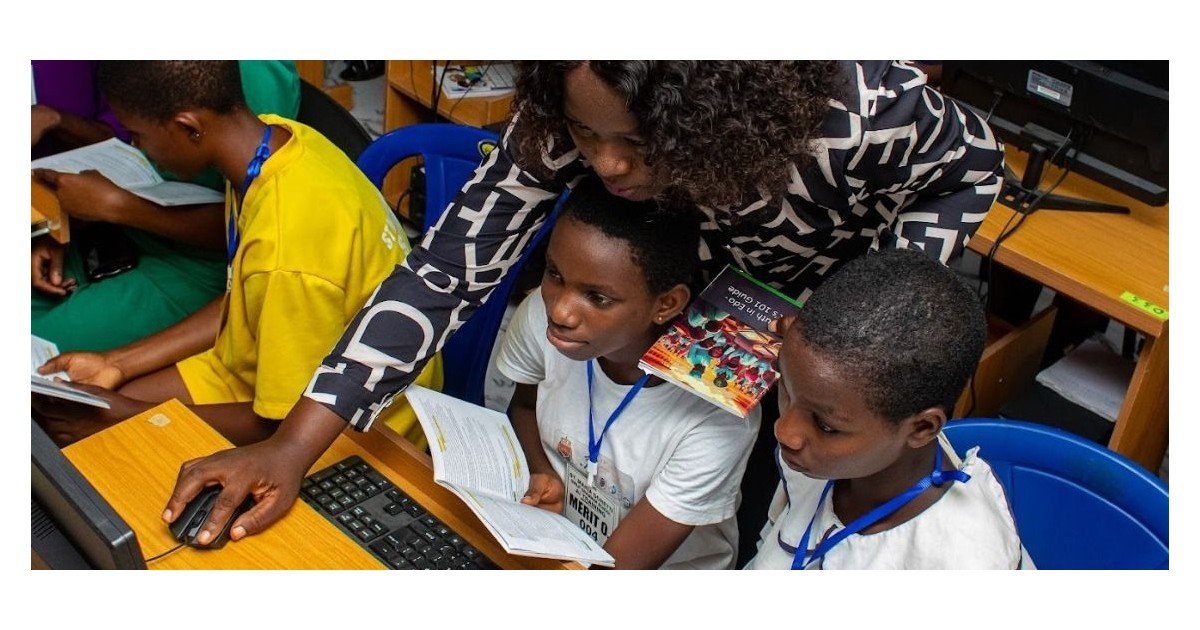

Nigeria’s push into the world of artificial intelligence is gaining momentum, but the reality inside many classrooms tells a different story. In thousands of schools across the country, there are no computers for students, an unstable electricity supply, and limited internet access. Yet, education experts insist that these barriers should not stop young Nigerians from learning about AI.
Across the country, a quiet shift is already happening. Teachers, innovators and policymakers are beginning to explore how artificial intelligence can be taught without depending on expensive devices. The focus is moving from hardware to thinking skills, from machines to mindset.
Recent developments show that Nigeria’s AI journey in education is being shaped by necessity. Instead of copying models from advanced economies, educators are adapting AI learning to fit local realities. This approach is now opening new possibilities for millions of students who may never see a laptop in their classroom.
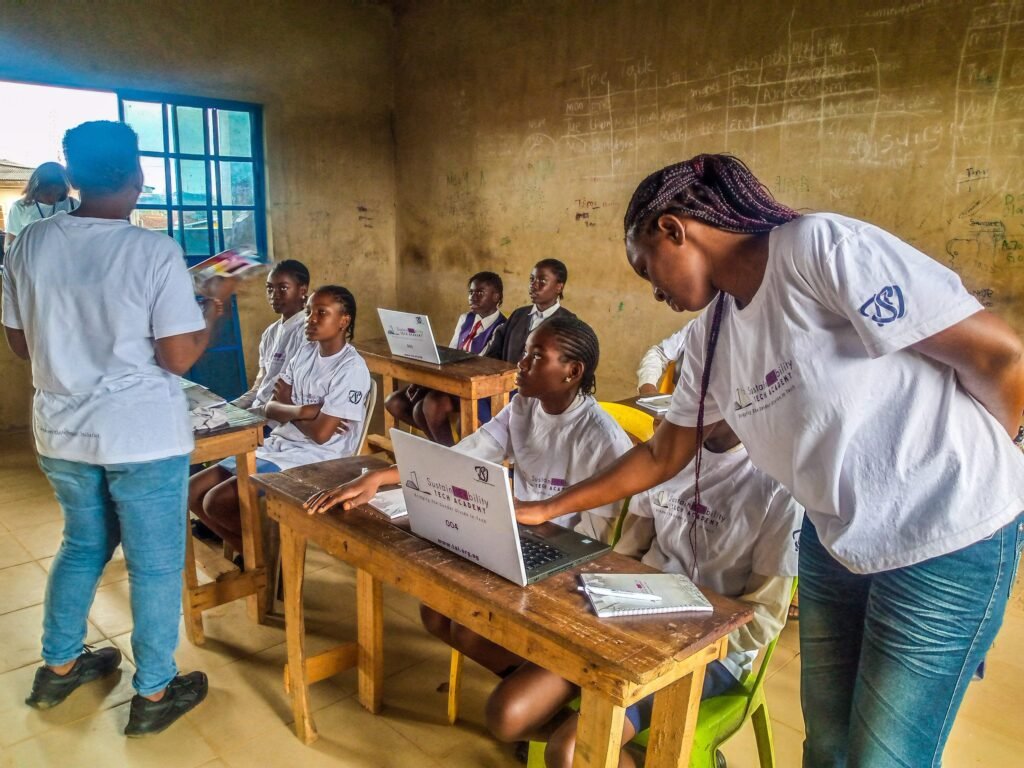
Rethinking AI Education Beyond Computers
For many people, learning artificial intelligence sounds like something that must involve coding, laptops and complex software. However, education experts say that is only part of the story. At its core, AI is about problem solving, pattern recognition and decision making.
In Nigerian classrooms, teachers are beginning to introduce these ideas using everyday examples. Pupils can learn how machines “think” by studying how humans make decisions. For instance, a teacher may explain AI using simple activities like sorting objects, identifying patterns in numbers or predicting outcomes based on past events.
This approach is gaining attention because it removes the fear around AI. Instead of seeing it as a highly technical subject, students begin to understand it as an extension of skills they already use in daily life.
The shift is important because many schools still struggle with infrastructure challenges. Studies show that while AI has strong potential to transform education, countries like Nigeria face limitations in access to devices and reliable connectivity.
By focusing on concepts rather than computers, schools can begin teaching AI immediately, without waiting for expensive investments.

Low Tech Methods Driving AI Learning
In several parts of Nigeria, teachers are already experimenting with creative ways to teach AI using low-tech tools. These methods are simple, practical and effective.
One common strategy is role play. Students act as “computers” that follow instructions given by a “programmer”. This helps them understand how algorithms work. For example, a teacher can ask a student to follow step-by-step instructions to solve a task, showing how machines rely on clear commands.
Another method is storytelling. Teachers use familiar scenarios such as how a shopkeeper predicts customer demand or how farmers decide when to plant crops. These real-life situations help students understand concepts like data, prediction and automation.
Printed materials are also playing a role. Worksheets and diagrams can illustrate how AI systems process information, even without any digital device.
There is also growing interest in offline digital tools. Some Nigerian education platforms now provide AI-powered content that works without internet access, allowing schools to introduce students to AI concepts using shared screens or basic devices.
This blend of creativity and necessity reflects a broader trend. Experts describe Nigeria’s AI development as “constraint-driven”, meaning solutions are designed to work within limited resources rather than depending on ideal conditions.
Why Teaching AI Early Matters for Nigeria
The urgency to teach AI goes beyond technology. It is about preparing Nigerian students for a rapidly changing world.
Artificial intelligence is already influencing industries such as healthcare, agriculture, finance and education. Students who understand how it works will be better equipped to compete in future job markets.
There is also evidence that AI-based learning tools can significantly improve academic outcomes. In a pilot programme in Edo State, students using AI-supported learning systems made progress in weeks that would normally take much longer.
However, experts warn that using AI tools is not enough. Students must also understand the principles behind them. Without this knowledge, they risk becoming passive users rather than creators.
Teaching AI without laptops may therefore be an advantage, not a disadvantage. It forces schools to focus on critical thinking, creativity and problem solving, which are the true foundations of AI literacy.
The Role of Teachers and Policy in Scaling the Idea
While the methods are promising, scaling AI education without devices will depend heavily on teachers and government policy.
Teachers need training to understand AI concepts and how to teach them in simple ways. Many educators are still unfamiliar with the subject, which can limit adoption in classrooms.
Policy makers also have a role to play. Education authorities can integrate AI concepts into existing subjects such as mathematics, science and social studies, rather than treating it as a separate course.
There is also a need for structured guidelines. Experts note that while AI tools are entering classrooms, many schools still lack clear direction on how to teach AI itself.
If properly implemented, Nigeria could become a model for other developing countries. By prioritising accessibility over sophistication, the country has an opportunity to build an inclusive AI education system that reaches every child.
Back Story: Why This Conversation Is Gaining Momentum
The discussion around teaching AI without laptops did not emerge overnight. It is rooted in long-standing challenges within Nigeria’s education system.
For years, schools have struggled with overcrowded classrooms, limited funding and a shortage of teaching resources. At the same time, the global rise of artificial intelligence has created pressure to modernise education.
This tension has forced educators to rethink traditional approaches. Instead of waiting for perfect conditions, they are asking a different question: how can we teach the future with what we already have?
Recent experiments and pilot programmes have shown that it is possible. From offline learning tools to teacher-led innovations, the focus is shifting towards practical solutions that work in real classrooms.
As Nigeria continues to navigate its education challenges, one thing is becoming clear. The future of AI learning in the country may not begin with laptops on every desk, but with ideas in every classroom.
Join Our Social Media Channels:
WhatsApp: NaijaEyes
Facebook: NaijaEyes
Twitter: NaijaEyes
Instagram: NaijaEyes
TikTok: NaijaEyes