
Côte d’Ivoire has taken a bold step in its digital governance journey with the launch of EMY 101, an artificial intelligence-powered chatbot designed to simplify how citizens interact with government services. The initiative signals a clear shift towards a more responsive, tech-driven public sector, where access to information and services is no longer limited by physical offices or bureaucratic bottlenecks.
Announced in mid March 2026, EMY 101 is positioned as a practical solution to one of Africa’s most persistent governance challenges: bridging the gap between citizens and public institutions. Rather than introducing another complex government portal, authorities have opted for a familiar approach by integrating the chatbot into widely used messaging platforms.

A Digital Assistant Built for Everyday Citizens
At its core, EMY 101 functions as an intelligent conversational assistant that operates through WhatsApp and Messenger, platforms already deeply embedded in the daily communication habits of millions of Ivorians. This strategic choice reflects an understanding that accessibility is not just about technology, but about meeting people where they already are.
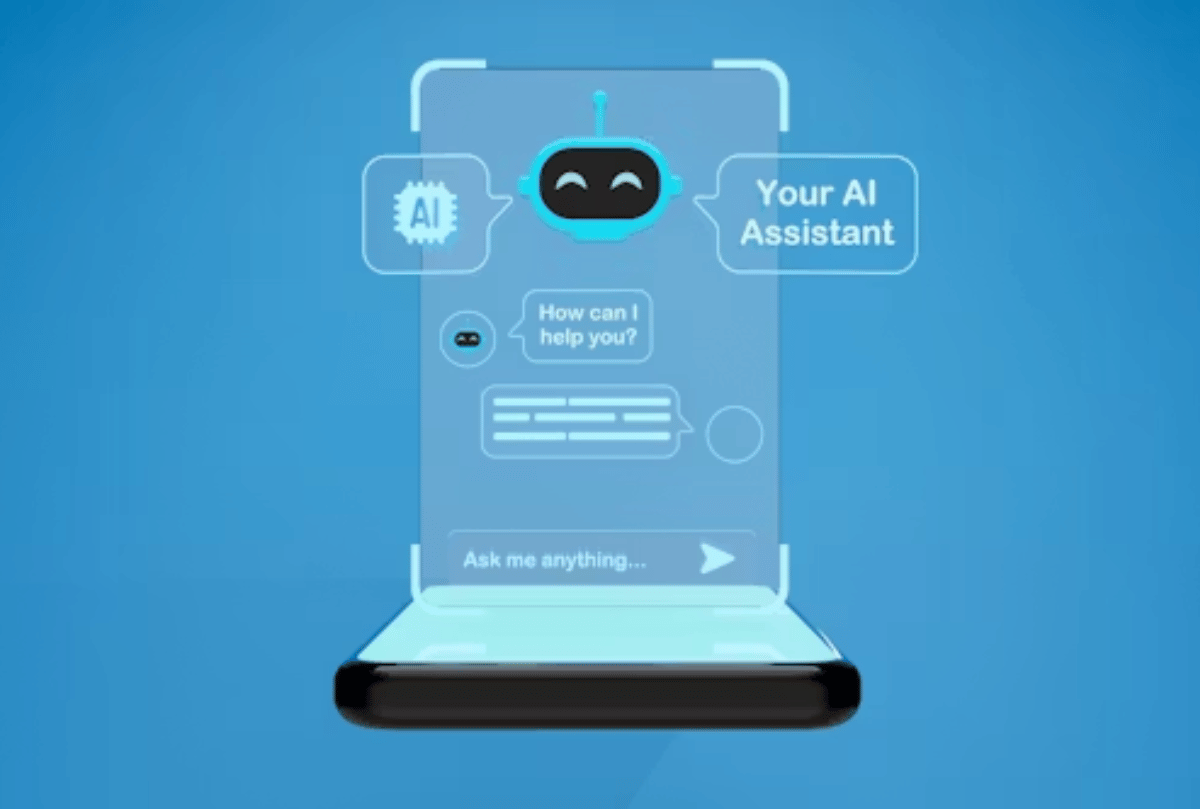
Once connected, users can interact with the chatbot in a conversational format, asking questions and receiving immediate responses about government services, policies, and ongoing public initiatives. The system eliminates the need for long queues, repeated visits to offices, or reliance on intermediaries for basic information.
The chatbot provides guidance on a wide range of administrative processes, including civil registration, taxation procedures, and land-related services. It also helps users locate contact information for government agencies, making it easier to navigate what can often feel like a fragmented public system.
Beyond information access, EMY 101 introduces an important feedback loop. Citizens can send reports, alerts, or complaints directly through the platform, creating a two-way communication channel between the government and the people. This feature has the potential to strengthen transparency and improve accountability over time.

Driving a Broader Digital Transformation Agenda
The launch of EMY 101 is not happening in isolation. It forms part of Côte d’Ivoire’s wider push to digitise public administration and expand access to government services through technology. In recent years, the country has steadily increased its investment in digital infrastructure, platforms, and policy frameworks aimed at modernising governance.
Earlier initiatives, such as the rollout of digital identity systems and integrated service platforms, have laid the groundwork for innovations like EMY 101. For instance, projects like the MaPoste application have already demonstrated the government’s commitment to reducing administrative friction by enabling citizens to access official documents and services digitally.
At a policy level, the government has also secured significant funding to accelerate digital adoption across key sectors. Investments in broadband expansion, digital skills development, and public service digitisation highlight a long-term vision of building an inclusive digital economy.
EMY 101 fits neatly into this broader ecosystem. It acts as a front-facing interface that brings together multiple government services into a single, user-friendly access point. In doing so, it simplifies the citizen experience while maximising the value of existing digital infrastructure.
What This Means for Africa and Nigeria
For many African countries, including Nigeria, the introduction of AI-driven public service tools like EMY 101 offers a glimpse into what the future of governance could look like. The model is particularly relevant in regions where population growth, urbanisation, and limited administrative capacity continue to strain traditional service delivery systems.
One of the key lessons from Côte d’Ivoire’s approach is the importance of simplicity. Instead of building standalone platforms that require new user behaviour, the government has embedded its solution within tools that people already trust and use daily. This reduces the barrier to adoption and increases the likelihood of widespread usage.
Nigeria, with its large population and increasing smartphone penetration, could benefit from a similar approach. While several government agencies have introduced digital portals, many still struggle with user engagement, accessibility, and trust. Integrating AI-powered assistants into familiar platforms like WhatsApp could help address these challenges.
There is also a strong case for using such tools to improve service delivery in rural and underserved areas. In many parts of Africa, physical access to government offices remains a major hurdle. By contrast, mobile messaging platforms are often more accessible, even in remote communities.
However, the success of such initiatives will depend on more than just technology. Issues such as digital literacy, data privacy, infrastructure reliability, and institutional responsiveness must also be addressed. Without these supporting elements, even the most advanced tools risk falling short of their potential.
The Road Ahead for AI in Public Service Delivery
The launch of EMY 101 represents an important milestone, but it is only the beginning of a much larger transformation. As artificial intelligence continues to evolve, its role in public administration is expected to expand significantly, from basic information delivery to more complex functions such as predictive analytics, service automation, and policy planning.
For Côte d’Ivoire, the immediate priority will likely be scaling the chatbot’s capabilities, improving its accuracy, and ensuring it can handle a growing volume of user interactions. Continuous updates and user feedback will be critical in refining the system and maintaining public trust.
There is also an opportunity to integrate EMY 101 with other digital government platforms, creating a more unified and seamless experience for citizens. Over time, this could lead to a fully interconnected digital ecosystem where individuals can access all government services through a single interface.
On a broader scale, initiatives like EMY 101 highlight the growing importance of AI in shaping the future of governance across Africa. As more countries explore similar solutions, there is potential for shared learning, regional collaboration, and the development of best practices tailored to the continent’s unique context.
Ultimately, the success of EMY 101 will be measured not just by its technological sophistication but by its impact on everyday life. If it can reduce waiting times, improve access to information, and strengthen the relationship between citizens and the state, it will stand as a powerful example of how innovation can drive meaningful change in public service delivery.
Join Our Social Media Channels:
WhatsApp: NaijaEyes
Facebook: NaijaEyes
Twitter: NaijaEyes
Instagram: NaijaEyes
TikTok: NaijaEyes