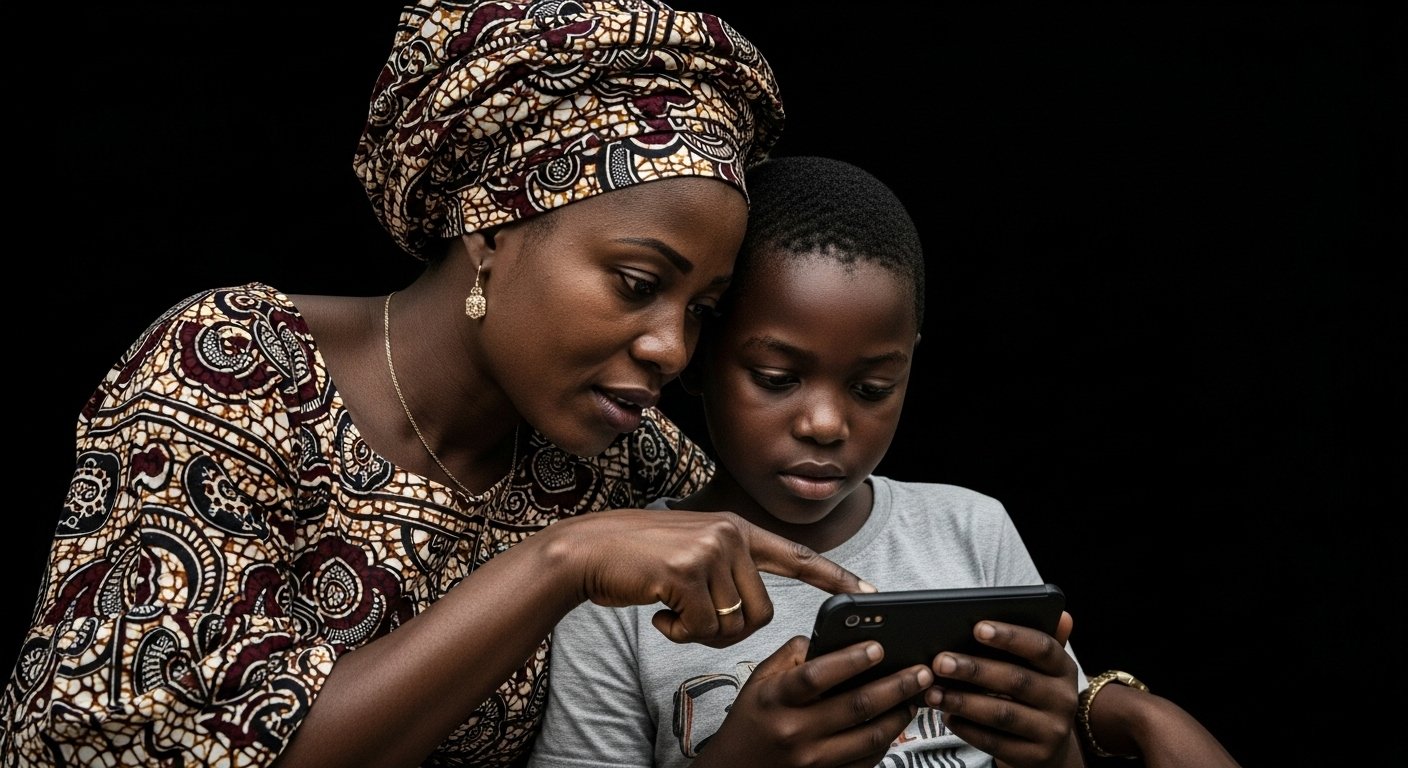

In today’s Nigeria, the internet has become part of everyday life, from school assignments to entertainment and social interaction. Children now grow up in a digital world that offers learning opportunities, creativity, and global exposure. At the same time, it also comes with real risks that many parents are still trying to understand. From cyberbullying to online scams, exposure to harmful content, and privacy breaches, the digital space is not always child-friendly. For Nigerian parents, guiding children through safe internet use is no longer optional. It is a necessary part of modern parenting. The goal is not to restrict children completely, but to equip them with the knowledge, discipline, and confidence to navigate the online world safely and responsibly.

Understanding the Real Risks Children Face Online
Many parents assume that once a child is at home using a phone or laptop, they are safe. Unfortunately, the opposite can sometimes be true. Children today are exposed to risks that are invisible but very real. These include cyberbullying, online predators, scams, identity theft, and inappropriate content.
Studies focusing on Nigerian children show that many young internet users encounter harmful situations such as being exposed to adult content or interacting with strangers online. These experiences can affect their mental health, behaviour, and even academic performance.
Another growing concern is what experts call “sharenting,” where parents share too much information about their children online. While it may seem harmless, it can expose a child’s private life and make them vulnerable in the future.
The first step for any Nigerian parent is awareness. You cannot protect what you do not understand. Knowing the dangers helps you guide your child with clarity rather than fear.

Building Trust and Open Communication at Home
If there is one thing that works better than any app or software, it is communication. Children who feel safe talking to their parents are more likely to report suspicious messages, bullying, or uncomfortable experiences online.
Experts consistently emphasise that parents should have regular conversations with their children about what they do online. Instead of interrogating them, ask simple, open questions. What games do you play? Who do you chat with? What do you enjoy watching?
Creating a safe environment where children are not afraid of punishment is key. When children believe they will be blamed or shouted at, they hide things. But when they feel understood, they open up.
It is also important to teach digital behaviour early. Children should understand basic online manners, respect for others, and the consequences of harmful actions like bullying or sharing false information.
Beyond talking, parents must lead by example. If you are always on your phone, ignoring family time, your child will likely copy that behaviour. Modelling balanced internet use sends a stronger message than any rule.
Setting Practical Rules and Using Safety Tools
While communication is important, it must be backed by structure. Children need clear rules to guide their online behaviour. Without boundaries, the internet can easily become overwhelming.
Start by setting simple family rules. Define how long your child can stay online each day, what type of content is acceptable, and when devices should not be used, such as during meals or before bedtime.
It also helps to create a list of approved websites, apps, and platforms suitable for your child’s age. This reduces the chances of accidental exposure to harmful content.
Parental control tools are another layer of protection. These tools can block inappropriate websites, monitor activity, and limit screen time. Many browsers, apps, and devices already have built-in safety features that parents can activate.
However, it is important to understand that technology alone is not enough. Children can sometimes find ways around restrictions. That is why rules and tools must go hand in hand with education and trust.
Parents should also teach children about privacy. Simple lessons like not sharing full names, home addresses, school details, or passwords can go a long way in protecting them online.
Preparing Children for a Digital Future
The internet is not going away. In fact, it is becoming even more powerful with the rise of artificial intelligence, social media, and digital learning platforms. Instead of shielding children completely, parents should focus on preparing them for this reality.
Digital literacy is one of the most important skills a child can have today. Children should learn how to identify fake information, recognise scams, and think critically about what they see online.
Parents should also stay informed. Technology changes fast, and new apps, trends, and risks appear regularly. Staying updated helps you guide your child effectively and avoid being left behind.
Encouraging balance is equally important. Children should not spend all their time online. Outdoor play, reading, hobbies, and family interaction are essential for healthy development. Experts advise maintaining a balance between online and offline activities to ensure overall well-being.
Finally, remember that parenting in the digital age is not about control. It is about guidance. As children grow older, they need more independence, but they also need wisdom to make the right choices.
Helping your child become responsible online is one of the greatest gifts you can give them. It prepares them not just to stay safe, but to thrive in a world that is increasingly digital.
Join Our Social Media Channels:
WhatsApp: NaijaEyes
Facebook: NaijaEyes
Twitter: NaijaEyes
Instagram: NaijaEyes
TikTok: NaijaEyes