
In campuses across Nigeria, smartphones are everywhere. Lecture halls glow with screens, hostels buzz with social media activity, and students are more connected than ever before. Yet beneath this digital presence lies a quiet contradiction. Many students who own smartphones still struggle with basic digital skills that matter for education, work, and innovation.
Recent conversations among educators and tech experts suggest that access to devices has not translated into meaningful digital competence. This gap is now raising concerns about employability, productivity, and Nigeria’s readiness for a digital economy.
The Growing Gap Between Access and Ability
Nigeria has witnessed a steady rise in smartphone ownership over the past decade. For many students, a smartphone is no longer a luxury. It is a necessity for communication, entertainment, and even academic work. But owning a device is not the same as knowing how to use it effectively.
Studies and reports continue to highlight this disconnect. A survey revealed that more than 85 percent of Nigerian graduates lack the practical digital skills required in today’s job market. This is happening even though most of these graduates are active users of social media platforms and mobile apps.
Experts describe this as a “silent barrier” to national growth. While students can navigate apps like WhatsApp, Instagram, and TikTok with ease, many struggle with tasks such as creating spreadsheets, analysing data, writing professional emails, or using digital tools for problem-solving.
The implication is clear. Nigeria is producing digitally connected youths, but not necessarily digitally skilled ones.
Smartphones as Entertainment First, Learning Later
One of the major reasons behind this trend is how smartphones are used. For most students, the device serves primarily as a tool for entertainment and social interaction rather than learning or skill development.
Across campuses, data bundles are more likely to be spent on streaming videos, chatting, and browsing social media than on online courses or educational platforms. This pattern is not unique to Nigeria, but its impact is more pronounced in a system already struggling with outdated curricula and limited practical training.
Research in similar contexts shows that many smartphone users focus on calls, messaging, and entertainment, while ignoring more productive uses such as digital services, online learning, or business applications.
Even when students use their phones for academics, it is often limited to downloading lecture notes or copying assignments rather than building real digital competence. The difference between consuming content and creating value with technology remains wide.

Education System Still Playing Catch-Up
Another critical factor is the structure of Nigeria’s education system. Many institutions still operate with curricula that do not fully reflect the realities of a digital world.
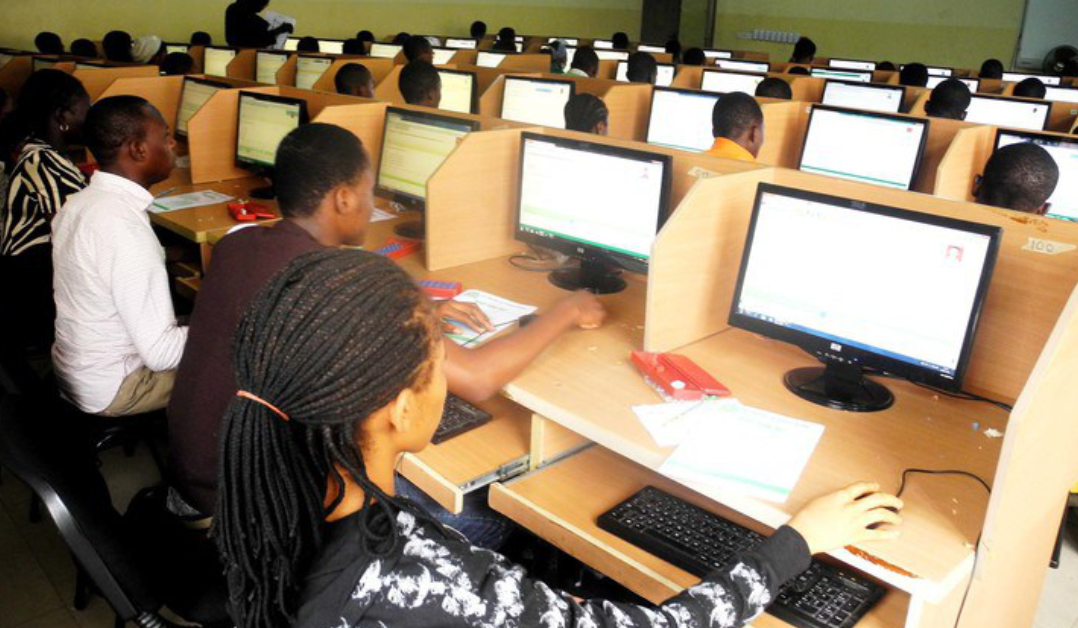
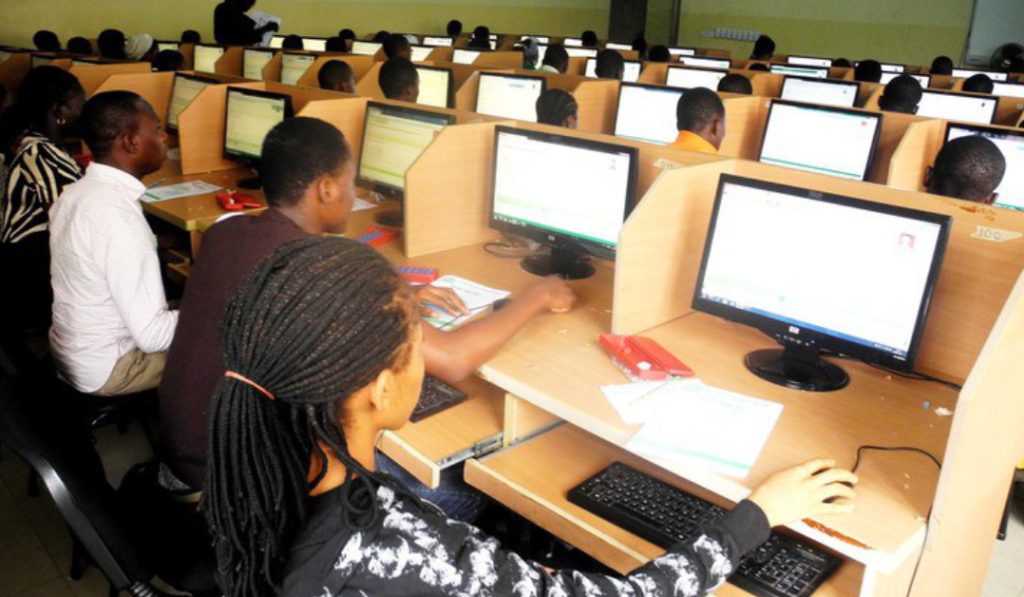
In several universities and polytechnics, digital literacy is either treated as a minor course or not taught in a practical, hands-on way. Students may learn theory without developing the ability to apply digital tools in real-life situations.
Experts argue that the problem is not entirely the fault of students. The system itself has not evolved fast enough. Outdated teaching methods, lack of infrastructure, and limited access to trained instructors all contribute to the skills gap.
There is also the issue of how digital initiatives are implemented. In some cases, schools invest heavily in devices without investing in training, maintenance, or long-term support. This leads to situations where gadgets are available, but meaningful learning does not happen.
The result is a generation of students who are comfortable with technology on the surface but lack a deeper understanding and practical expertise.
What This Means for Nigeria’s Future Workforce
The consequences of this digital skills gap are already visible in the labour market. Employers increasingly demand skills such as data analysis, digital communication, programming, and online collaboration. Yet many graduates are unable to meet these expectations.
This mismatch contributes to unemployment and underemployment, even as job opportunities exist in the digital economy. As one report notes, digital skills are becoming more important than degrees alone in determining career success.
For Nigeria, the stakes are high. The country has one of the largest youth populations in the world, and its economic future depends heavily on how well this population can adapt to a technology-driven global environment.
If the current trend continues, Nigeria risks widening inequality, slowing economic growth, and missing out on opportunities in areas such as tech innovation, remote work, and digital entrepreneurship.
However, there is also a clear path forward.
Bridging the gap will require a shift in mindset. Students need to begin seeing their smartphones not just as tools for entertainment, but as gateways to learning, creativity, and income generation. Schools must update their curricula to include practical digital training. Government and private sector stakeholders must invest in digital education that goes beyond access to devices.
There is also a need for awareness. Many students simply do not realise what digital skills are or how important they have become. Changing this perception is a key step toward closing the gap.
In the end, the issue is not about smartphones. It is about how they are used. Nigeria already has the devices. What it needs now is the knowledge, discipline, and systems to turn those devices into tools for real progress.
Join Our Social Media Channels:
WhatsApp: NaijaEyes
Facebook: NaijaEyes
Twitter: NaijaEyes
Instagram: NaijaEyes
TikTok: NaijaEyes