Health workers across Nigeria’s federal tertiary institutions have raised fresh concerns over what they describe as a prolonged and unfair delay in the implementation of upgraded allowances, intensifying tensions in a sector already grappling with recurring labour disputes and systemic challenges.
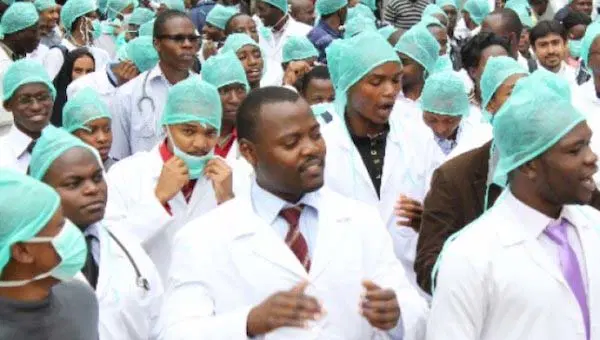
The development, which has triggered protests and strong reactions from professional groups, reflects deeper dissatisfaction within the country’s healthcare workforce. Many workers say the delay is not only affecting their welfare but also exposing longstanding inequalities in how different categories of public sector employees are treated.

Health Workers Decry “Deliberate Delay” in Allowance Implementation
At the centre of the dispute is the non-implementation of revised allowances under the CONMESS and CONHESS salary structures, which apply to medical and health workers in public institutions.
Leaders of health professional groups in tertiary education institutions have openly accused relevant authorities of deliberately stalling the process. According to them, while similar adjustments have been implemented for other categories of workers, health personnel in institutions under the education sector have continued to wait without clear direction.
The National Chairman of the Coalition of Healthcare Professionals in Tertiary Education Institutions, Musa Shehu, expressed frustration over the situation, describing it as a pattern of marginalisation. He argued that while workers under the health ministry began receiving the upgraded allowances earlier in the year, their counterparts in educational institutions have been left behind.
The group further alleged that some institutions have introduced unnecessary administrative hurdles, including demands for documentation from institutions where implementation has already taken place. These conditions, they say, are being used as excuses to delay compliance.
For many affected workers, the issue goes beyond money. It has become a question of fairness, recognition, and respect for their role within Nigeria’s fragile healthcare system.
Contradictions in Implementation Deepen Workers’ Anger
Adding to the frustration is what workers describe as inconsistency in implementation across institutions. While some federal institutions have reportedly paid the revised allowances, others insist on awaiting directives from regulatory bodies before taking action.
The coalition pointed to cases where certain institutions successfully implemented the allowances, including payment of arrears, without waiting for additional approvals. This, they argue, proves that the delay elsewhere is avoidable and largely driven by institutional reluctance.
They also criticised the role of regulatory agencies such as the National Universities Commission, the National Board for Technical Education, and the National Commission for Colleges of Education, noting that the absence of clear directives has created confusion.
According to the group, a circular approving the reviewed allowances had already been issued months ago by the National Salaries, Incomes and Wages Commission to the Ministry of Education. However, the lack of communication to institutions has effectively stalled implementation.
This gap between policy approval and actual execution has become a recurring issue in Nigeria’s public sector, often leading to industrial unrest and distrust between workers and government authorities.
Wider Labour Tensions Threaten Stability in Health Sector
The protest over allowances is unfolding against the backdrop of broader labour tensions in Nigeria’s health sector. In recent weeks, several unions have either embarked on strike actions or issued warnings over unresolved welfare issues.
Resident doctors, for instance, recently commenced an indefinite nationwide strike over disputes linked to allowances and salary structures, raising fears of service disruption across hospitals.
In addition, negotiations between the Federal Government and the Joint Health Sector Unions are set to resume, following months of stalled discussions that previously resulted in a prolonged nationwide strike.
For many observers, the recurring disputes point to deeper structural issues, including poor funding, inconsistent policy implementation, and weak communication between stakeholders.
Nigeria’s healthcare system has long struggled with underinvestment, workforce shortages, and the migration of skilled professionals abroad. These challenges have made labour disputes even more disruptive, as even short interruptions in service delivery can have serious consequences for patients.
Within this context, the delay in allowance implementation is being seen not as an isolated issue but as part of a broader pattern that continues to undermine morale among health workers.
Calls for Urgent Government Intervention Grow
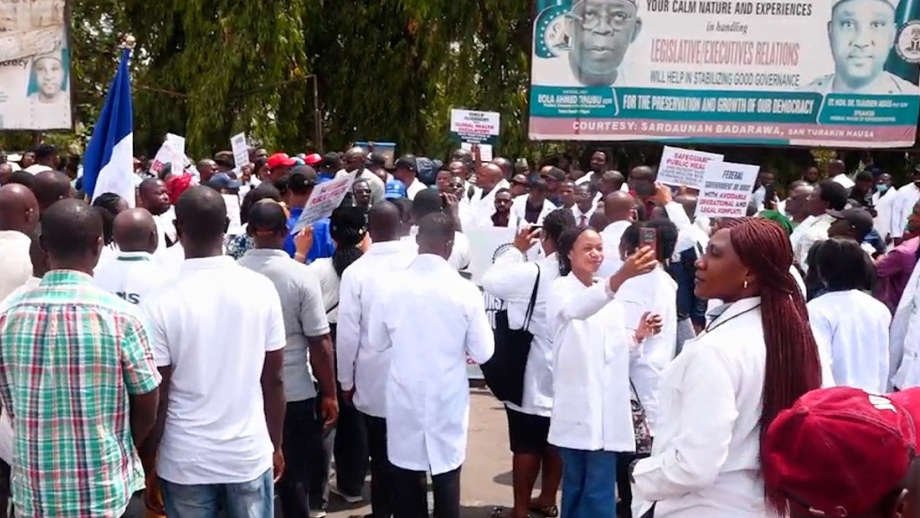
Health workers are now calling on the Federal Government to intervene decisively and ensure the immediate implementation of the approved allowances across all affected institutions.
The coalition warned that continued delays could worsen tensions and potentially lead to more widespread industrial action, particularly if workers feel their concerns are being ignored.
They also raised concerns about ongoing negotiations involving other unions, noting that health workers in university medical centres could be excluded from proposed salary increases due to differences in pay structures.
Such exclusions, they argue, would further deepen inequality within the sector and reinforce perceptions of neglect.
For many professionals, the situation highlights the urgent need for a more coordinated and transparent approach to policy implementation. Without this, even well-intentioned reforms risk being undermined by bureaucratic bottlenecks and institutional delays.
As the government prepares for renewed negotiations with health sector unions, expectations are high that concrete steps will be taken to address outstanding issues. However, past experiences have left many workers cautious, with some expressing doubt about whether meaningful progress will be achieved.
In the meantime, the protests serve as a reminder of the human impact of policy delays. Behind every unpaid allowance is a worker struggling to cope with rising living costs, demanding workloads, and the emotional toll of working in an overstretched system.
For Nigeria’s healthcare sector, the stakes remain high. Ensuring fair treatment and timely compensation for health workers is not just a labour issue but a critical factor in maintaining the quality and stability of healthcare delivery across the country.
Join Our Social Media Channels:
WhatsApp: NaijaEyes
Facebook: NaijaEyes
Twitter: NaijaEyes
Instagram: NaijaEyes
TikTok: NaijaEyes