The 2026 Unified Tertiary Matriculation Examination has commenced across Nigeria under heightened security arrangements, with authorities assuring candidates and parents of a smooth and safe process as the nationwide exercise unfolds.
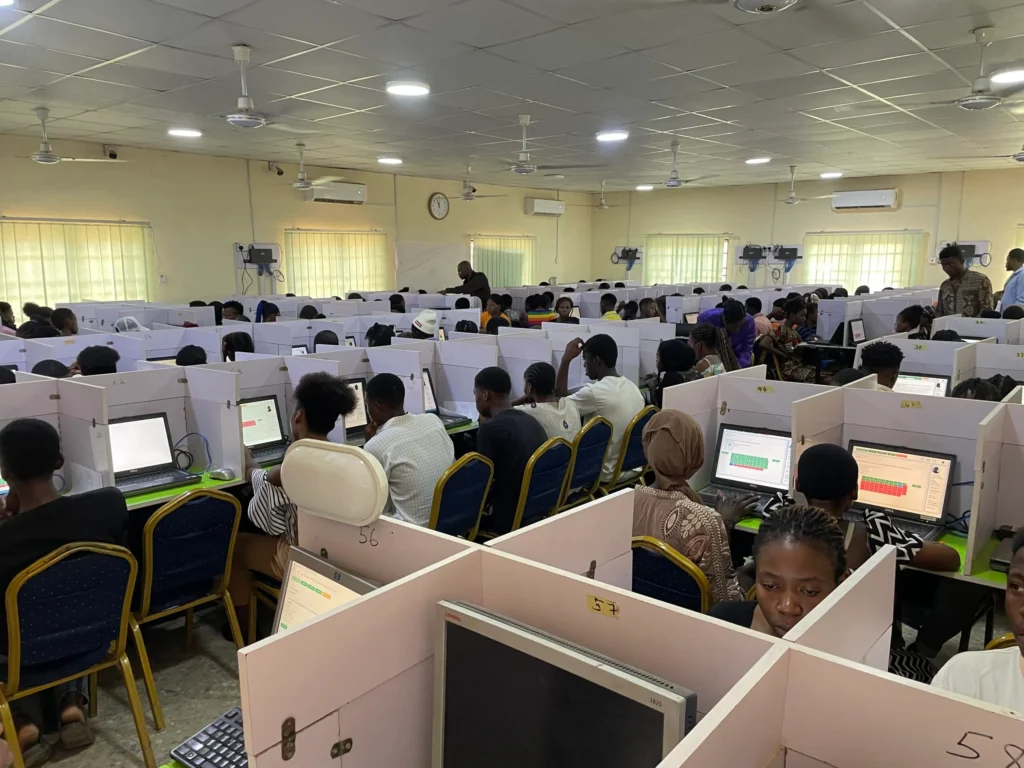
The examination, conducted by the Joint Admissions and Matriculation Board, began on Thursday, April 16, and is scheduled to run through April 25, drawing millions of candidates into accredited computer-based test centres across the country.
Nationwide rollout amid security concerns
From early morning on Thursday, candidates trooped into examination centres in various states, many arriving hours ahead of schedule to complete biometric verification and clearance procedures. The exercise began largely without disruption, reflecting months of planning by examination authorities and security agencies.
This year’s examination cycle, however, comes against the backdrop of heightened public anxiety over safety. In the days leading up to the exams, concerns had circulated regarding potential threats to some centres, particularly in parts of North Central Nigeria.
In response, the Nigerian Police Force moved swiftly to allay fears, dismissing the claims as unfounded while simultaneously scaling up security presence nationwide. According to police authorities, the safety of candidates remains a top priority, given the significance of the examination in shaping academic futures.
Officials emphasised that while rumours were not credible, they were taken seriously enough to warrant proactive intervention. This dual approach of reassurance and readiness helped calm tensions among candidates and their families ahead of the examination day.
Heavy security presence and coordinated monitoring
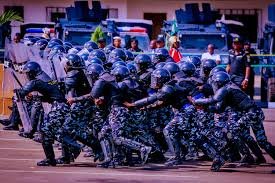
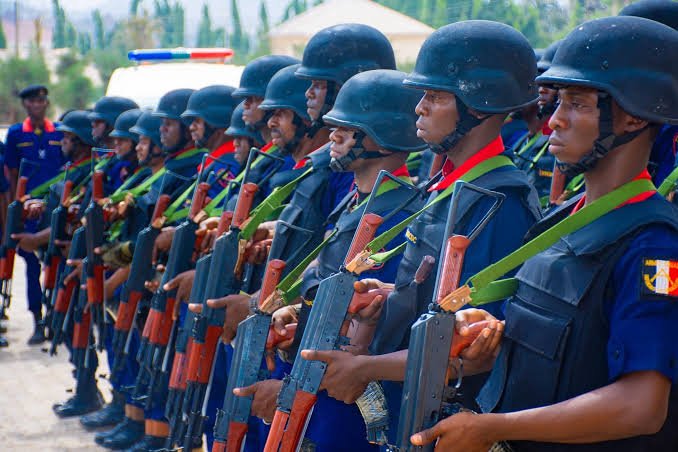
Across examination centres, security personnel were visibly deployed, with additional covert operations running in the background. Authorities confirmed that a combination of routine patrols, surveillance measures, and rapid response teams had been strategically positioned to prevent any form of disruption.
The police noted that these measures were not limited to physical presence alone. Intelligence gathering and inter-agency collaboration were also strengthened to ensure real-time monitoring of developments across all states.
Candidates arriving at centres encountered perimeter checks and controlled entry systems designed to maintain order and prevent unauthorised access. In several locations, officials coordinated closely with examination supervisors to manage crowd flow and ensure strict adherence to guidelines.
Security agencies also issued clear warnings that any attempt to interfere with the examination process would be met with swift action. This firm stance underscored the importance placed on maintaining the integrity of the examination nationwide.
System stability and improved coordination
Despite the scale of the operation, early reports indicate that the examination system has remained stable, with minimal technical disruptions recorded across centres. This marks a significant improvement compared to previous years, where candidates occasionally experienced delays linked to technical glitches or logistical challenges.
Officials attributed the smooth start to enhanced system upgrades and better coordination between the examination body and service providers. The use of computer-based testing continues to streamline the process, reducing instances of malpractice while improving efficiency in candidate assessment.
Candidates also appeared more informed this year, with many arriving prepared after receiving prior instructions regarding timing, required documentation, and examination procedures. Authorities had earlier advised candidates to arrive early and comply strictly with regulations to avoid disqualification.
The emphasis on preparation extended beyond candidates. Centre operators were placed under strict directives to ensure equipment functionality, stable connectivity, and adherence to operational standards throughout the examination period.
Reassurance to parents and candidates
In several states, government officials and education stakeholders reiterated their commitment to ensuring a safe and seamless examination experience. In areas where security concerns had previously been raised, additional measures were introduced to protect both candidates and examination personnel.
Authorities also encouraged parents to remain calm, stressing that adequate arrangements had been put in place to safeguard candidates throughout the duration of the examination.
Candidates were further advised to remain vigilant and report any suspicious activity to security personnel stationed at their centres. This collaborative approach between candidates and security agencies forms part of a broader strategy to maintain order and confidence in the system.
At the same time, the public was cautioned against spreading unverified information, particularly on social media platforms. Officials warned that misinformation could create unnecessary panic and disrupt the examination process if not properly managed.
A critical test beyond academics
Beyond its academic significance, the UTME continues to serve as a major national exercise that tests Nigeria’s institutional capacity to coordinate large-scale operations involving millions of participants.
This year’s edition highlights the growing role of security, technology, and inter-agency collaboration in safeguarding educational processes. It also reflects the increasing expectations placed on examination bodies to deliver credible, transparent, and efficient outcomes.
For many candidates, the examination represents a defining moment in their academic journey, determining access to tertiary education and shaping future career paths. This reality underscores the importance of maintaining a system that is not only efficient but also secure and fair.
As the examination progresses in the coming days, attention will remain on how effectively authorities sustain the current momentum. Early indications suggest a strong start, but stakeholders will be watching closely to ensure that standards are maintained across all centres nationwide.
With millions of young Nigerians relying on the process, the stakes remain high. Yet, for now, the combination of tightened security and stable systems offers a measure of confidence that the 2026 UTME is on track.
Join Our Social Media Channels:
WhatsApp: NaijaEyes
Facebook: NaijaEyes
Twitter: NaijaEyes
Instagram: NaijaEyes
TikTok: NaijaEyes