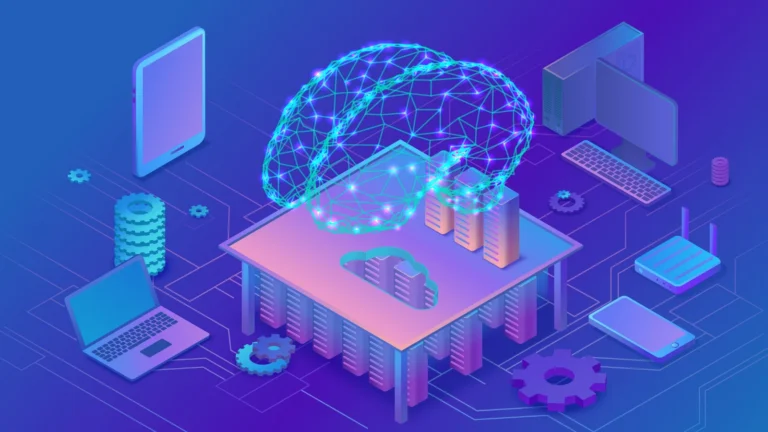
In a move that signals the growing convergence of artificial intelligence, robotics and next-generation infrastructure, LG Electronics has confirmed it is in discussions with Nvidia over a potential collaboration spanning robotics, AI data centres and mobility solutions.
The talks, which are still at an early stage, reflect how global technology leaders are repositioning themselves to take advantage of the rapidly expanding AI economy. According to reports, the engagement gained attention following a visit by a senior Nvidia executive to South Korea, which triggered speculation about deeper industrial partnerships between both companies.
While no formal agreement has been announced, both firms are already heavily invested in the areas under discussion, making the potential collaboration one that could reshape parts of the global technology landscape.
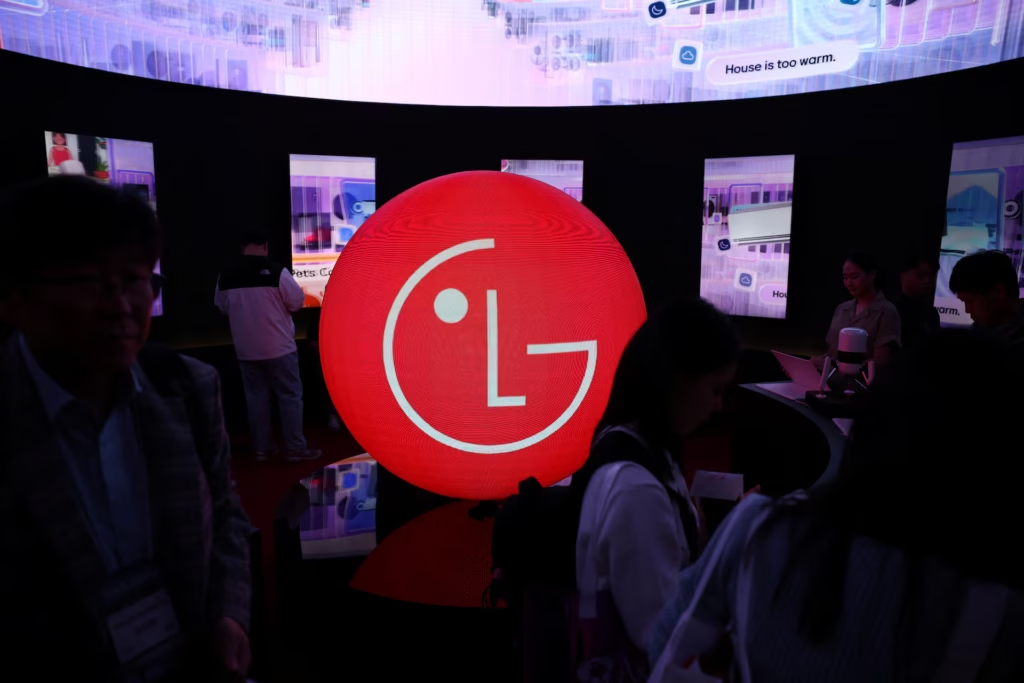
Why robotics, AI data centres and mobility matter now
The three focus areas under discussion are not random. They sit at the heart of what many analysts describe as the next phase of digital transformation.
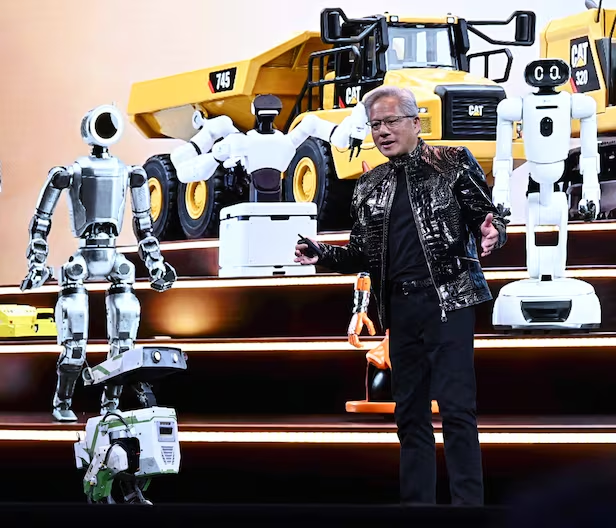
Robotics is becoming more advanced due to the integration of AI models that can simulate human decision-making and physical interaction. Nvidia has already positioned itself as a key player in this space by developing platforms that allow robots to learn in simulated environments before being deployed in the real world.
AI data centres, on the other hand, are the backbone of modern artificial intelligence systems. These facilities process massive amounts of data required to train and run AI models. Industry estimates show that building large-scale AI data centres requires billions of dollars, with a significant portion of that cost going into computing hardware such as GPUs, a segment where Nvidia dominates globally.
Mobility is the third pillar, covering everything from autonomous vehicles to smart transportation systems. AI-driven mobility solutions are increasingly seen as essential for future cities, where efficiency, safety and automation will define how people and goods move.
By combining LG’s strengths in hardware, appliances and industrial systems with Nvidia’s leadership in AI chips and software platforms, the proposed partnership could create a powerful ecosystem that spans from the home to industrial environments and urban infrastructure.
Strategic implications for the global tech industry
If the discussions lead to a formal partnership, the implications could be far-reaching.
For LG Electronics, this is a continuation of its push into business to business solutions, particularly in AI infrastructure. The company has already been showcasing advanced cooling systems designed specifically for AI data centres, which are critical because of the intense heat generated by high-performance computing systems.
Such cooling technologies are not just technical upgrades. They are essential to making AI infrastructure sustainable and energy efficient, especially as global demand for AI computing continues to rise.
For Nvidia, partnering with a manufacturing and systems integration giant like LG could help extend its reach beyond chips into full stack solutions. This includes physical systems like robots, smart factories and integrated data centre environments.
The collaboration also reflects a broader trend where the AI supply chain is expanding beyond software and semiconductors into areas like energy systems, cooling technologies and industrial automation.
In simple terms, AI is no longer just about algorithms. It is about the entire ecosystem required to deploy those algorithms in the real world.
What this means for emerging markets and Nigeria
For countries like Nigeria and other emerging economies, developments like this may seem distant, but they carry important long-term implications.
First, the expansion of AI infrastructure globally will likely influence how cloud services are priced and delivered. As companies invest more in data centres, there could be increased availability of AI tools and platforms that developers and businesses in Nigeria can access remotely.
Second, robotics and automation may begin to reshape industries such as manufacturing, logistics and even agriculture. While this raises concerns about job displacement, it also creates opportunities for new types of employment in areas like AI maintenance, data analysis and system integration.
Third, mobility innovations could eventually influence transportation systems in African cities. While fully autonomous vehicles may still be some years away from widespread adoption in Nigeria, the underlying technologies, such as smart traffic systems and predictive maintenance, could arrive much sooner.
The key challenge will be ensuring that local policies, infrastructure and education systems are prepared to take advantage of these global shifts rather than being left behind.
Back story: how LG and Nvidia arrived at this point
To understand why this potential partnership matters, it is important to look at how both companies have evolved over time.
LG Electronics started as a consumer electronics company known for products like televisions, home appliances and mobile devices. Over the years, it has gradually expanded into industrial solutions, including heating, ventilation and air conditioning systems, as well as smart home technologies.
In recent years, LG has made a deliberate shift towards AI-driven solutions, particularly in areas like data centre infrastructure and smart environments. Its participation in global exhibitions such as Data Centre World 2026 highlights its ambition to become a key player in the AI infrastructure space.
Nvidia, on the other hand, began as a graphics chip company focused on gaming. However, it transformed itself into a global leader in AI computing by recognising early that its graphics processing units could be used to train machine learning models.
Today, Nvidia sits at the centre of the global AI boom, with its chips powering everything from chatbots to autonomous systems. The company has also been expanding into what it calls physical AI, which focuses on enabling machines to interact with the real world.
The intersection of these two journeys explains why a collaboration between LG and Nvidia is not just possible but logical. One brings deep expertise in hardware systems and global manufacturing. The other brings unmatched leadership in AI computing.
If their talks translate into concrete projects, it could mark the beginning of a new phase in the evolution of intelligent machines and infrastructure.
Join Our Social Media Channels:
WhatsApp: NaijaEyes
Facebook: NaijaEyes
Twitter: NaijaEyes
Instagram: NaijaEyes
TikTok: NaijaEyes