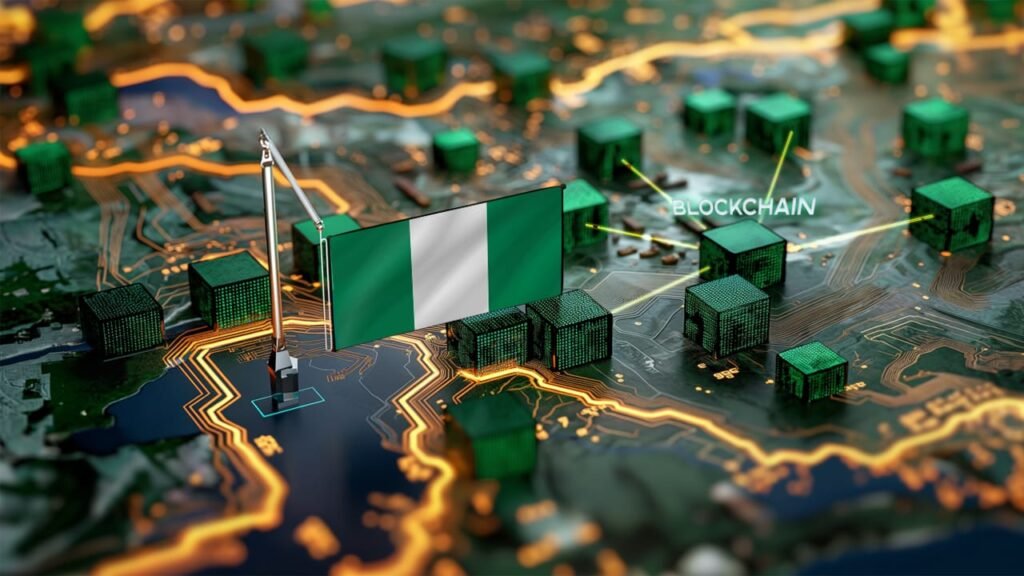
Nigeria has taken a bold step onto the global technology stage, emerging as the number one hub in Africa and sixth worldwide in terms of developer share on the Solana network. The latest figures, released in the first quarter 2026 impact report by Superteam Nigeria, show a country that is not just consuming digital innovation but actively building it at scale.
At a time when global competition for tech talent is intensifying, Nigeria’s rise in decentralised finance and blockchain development reflects a deeper shift in how young Nigerians are positioning themselves within the global digital economy. The data shows that Nigeria now accounts for about 67 percent of all active Solana developers across Africa, firmly establishing its leadership on the continent.
This milestone is not only symbolic but also economic. Within the first three months of 2026, more than $162,000 was injected directly into the Nigerian economy through grants and developer bounties linked to the ecosystem.
Nigeria’s Developer Boom Signals a Shift from Consumption to Creation
For years, Nigeria has been known as one of the largest adopters of digital financial tools, particularly in crypto and peer-to-peer transactions. What is changing now is the country’s growing influence on the production side of technology.
According to the report, Nigerian developers are no longer just participating in global blockchain ecosystems; they are shaping them. Several locally built products are already handling millions of dollars in transaction volume. Platforms like Evolution have processed over $4 million, while NectarFi has recorded more than $6 million in beta activity alone.
This level of activity points to a maturing ecosystem where developers are building tools that solve real financial problems, especially around payments, savings, and cross-border transactions. It also reflects the increasing relevance of blockchain infrastructure in Nigeria’s fintech space.
Industry leaders say this transformation is being driven by a combination of necessity and opportunity. With limited access to traditional financial systems and global markets, many Nigerian developers are turning to decentralised platforms as a way to bypass existing constraints.
The result is a generation of builders who are not waiting for global validation but are actively creating solutions that attract international attention and funding.

Capital Inflows and Partnerships Strengthen Nigeria’s Web3 Ecosystem
Beyond talent, the report highlights growing financial and institutional support for Nigeria’s blockchain ecosystem. Of the total capital inflow recorded in the first quarter, over $65,000 came from ecosystem bounties, while approximately $88,500 was secured through grants from the Solana Foundation.
These funds are playing a critical role in sustaining early-stage innovation. For many young developers, such opportunities provide both income and exposure to global networks.
At the same time, collaboration between local fintech companies and blockchain platforms is accelerating. About 15 Nigerian startups, including well-known players like Busha and Raenest, have integrated Solana-based features into their services.
These integrations are enabling use cases such as stablecoin payments and crypto-backed lending, signalling a gradual blending of traditional finance and decentralised systems.
Another key factor behind this growth is grassroots expansion. Superteam Nigeria has extended its reach to 30 states, organising more than 180 events, including both physical and virtual sessions aimed at training and onboarding new developers.
This decentralised approach to talent development is helping to ensure that innovation is not limited to major cities like Lagos or Abuja but is spreading across the country.
Why Nigeria’s Global Ranking Matters for the Future of Tech
Nigeria’s position as the sixth largest hub globally for Solana developers places it ahead of several established tech ecosystems. This is significant not just for bragging rights but for what it means in terms of global influence.
In practical terms, it signals that Nigeria is becoming a key contributor to the infrastructure of the future internet, particularly in decentralised finance. It also strengthens the country’s attractiveness to investors, global tech companies, and remote work opportunities.
Experts believe that this momentum could have long-term implications for employment and economic growth. As more Nigerian developers gain international visibility, they are likely to attract higher-paying opportunities, thereby increasing foreign income inflows into the country.
However, challenges remain. Issues such as regulatory uncertainty, internet infrastructure gaps, and access to funding could slow down progress if not addressed.
Despite these concerns, the current trajectory suggests that Nigeria is building a resilient and adaptive tech ecosystem, one that is capable of competing on a global scale.

Back Story: Nigeria’s Journey to Becoming a Web3 Powerhouse
Nigeria’s emergence as a global leader in blockchain development did not happen overnight. It is the result of years of gradual evolution within the country’s tech ecosystem.
In the early 2010s, Nigeria’s digital growth was largely driven by mobile banking and fintech innovations. As internet access expanded and smartphones became more affordable, millions of Nigerians began engaging with digital financial services.
By the late 2010s and early 2020s, cryptocurrency adoption surged, driven by economic realities such as currency volatility and limited access to foreign exchange. Nigeria consistently ranked among the top countries globally for crypto usage, laying the foundation for a deeper engagement with blockchain technology.
What began as user adoption has now evolved into builder participation. Communities like Superteam Nigeria have played a crucial role in this transition by providing training, mentorship, and access to global opportunities.
The rise of developer bootcamps, hackathons, and online learning platforms has also contributed to a steady pipeline of skilled talent entering the ecosystem.
Today, Nigeria’s Web3 landscape reflects a unique blend of innovation, resilience, and ambition. From Lagos to Enugu and Abuja, young developers are writing code that powers applications used around the world.
This shift from consumption to creation marks a defining moment in Nigeria’s digital journey, one that positions the country not just as a participant in the global tech economy but as a leader shaping its future.