The Weight of Interest: Navigating Nigeria’s N16.26 Trillion Debt Challenge.
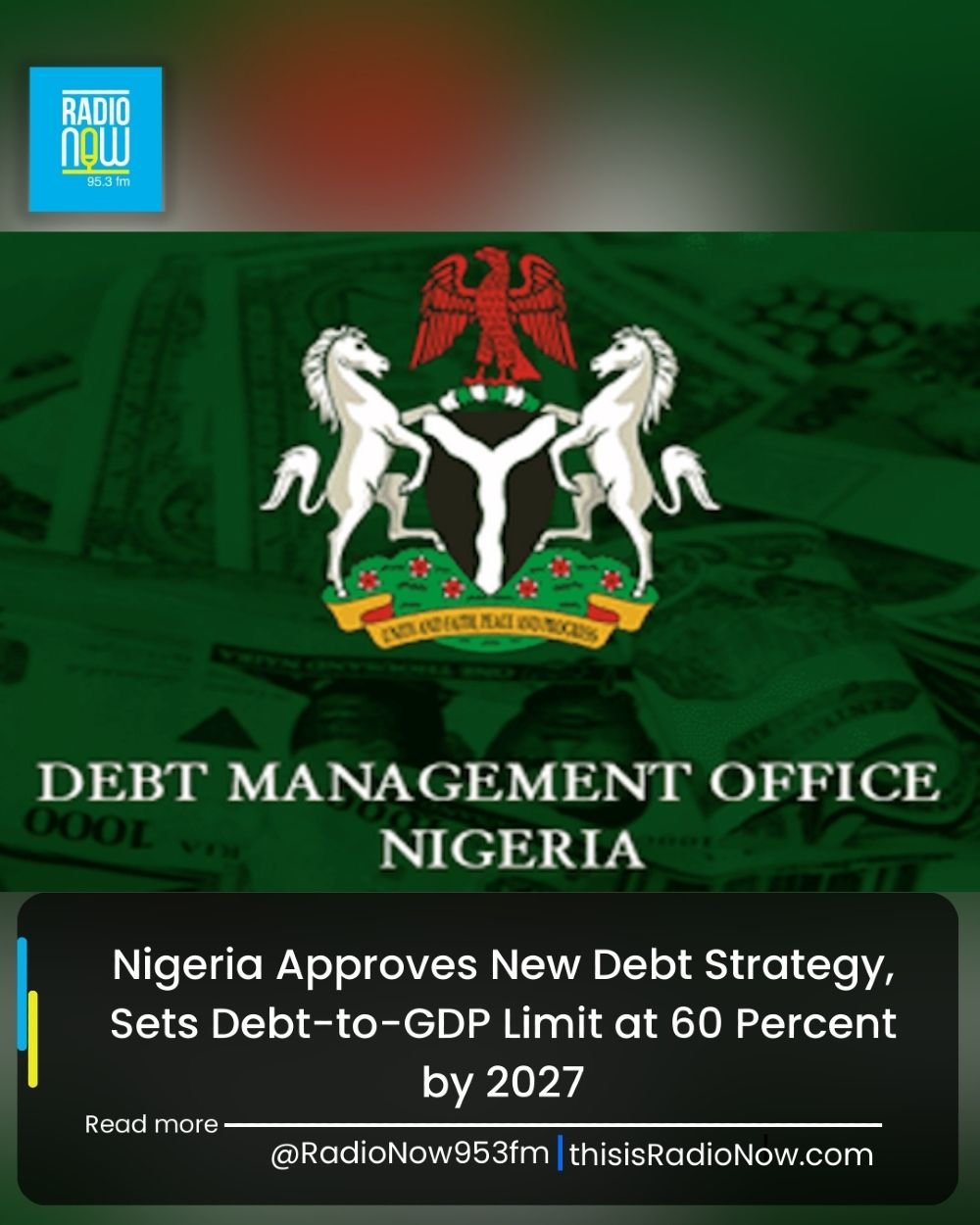
Nigeria’s fiscal landscape is undergoing a massive shift. Recent data reveals a stark reality for the nation’s economy. Under the current administration, the cost of servicing debt has surged significantly. Specifically, the country’s debt service obligations have jumped to a staggering N16.26 trillion.
This figure represents a combination of domestic and foreign commitments that now demand a larger share of the national budget. For policymakers and citizens alike, this milestone is a sobering reminder of the tightrope the government must walk between development and fiscal sustainability.
The Mechanics of the Debt Surge
Understanding this N16.26 trillion figure requires a look at several moving parts. A major driver is the devaluation of the Naira. As the local currency weakened throughout late 2025 and early 2026, the cost of paying back foreign loans spiked automatically.
Even without taking on new external debt, the exchange rate alone has inflated the “Naira value” of these obligations.
Additionally, high interest rates at home have made domestic borrowing more expensive. The Central Bank’s efforts to curb inflation by raising rates have a side effect.
They increase the interest the government must pay to those who hold Nigerian treasury bills and bonds. It is a classic economic dilemma: fighting inflation often makes managing the government’s own books a much harder task.
Balancing Infrastructure and Interest
The big question for the average Nigerian is how this affects everyday life. When N16.26 trillion is earmarked for debt service, there is naturally less “fiscal space” for other priorities.
Every Naira spent on interest is a Naira that cannot be directly invested in hospitals, schools, or the power grid.
However, the administration maintains that these payments are necessary to maintain Nigeria’s standing in the global financial market. Defaulting is not an option, as it would close the door to future investment.
The government’s strategy now leans heavily on increasing non-oil revenue. By broadening the tax base and improving collection efficiency, they hope to grow the “pie” so that debt service becomes a smaller, more manageable percentage of total income.
A Path Toward Fiscal Stability.
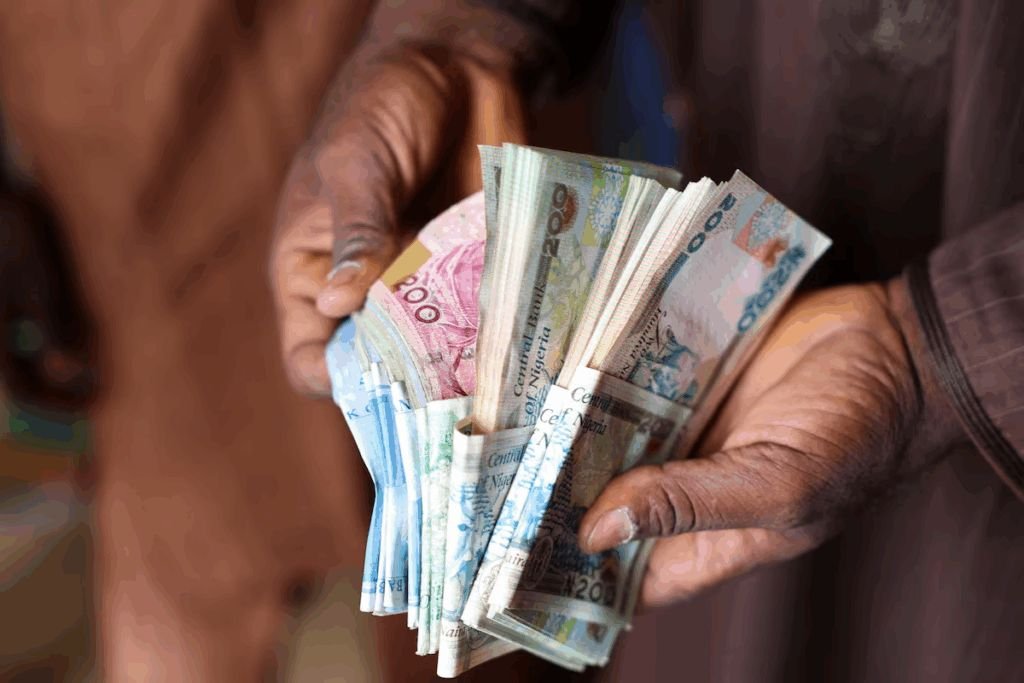
Looking ahead, the road to recovery depends on stability. Market analysts suggest that if the Naira finds a steady floor, the volatility in debt servicing costs will subside.
Furthermore, the push for “creative financing”such as infrastructure bonds could offer a more sustainable way to fund growth without sinking deeper into traditional high-interest debt.
It is a period of transition and testing. While the numbers are large and intimidating, they also serve as a catalyst for much-needed structural reforms.
Transparency in how these funds are managed will be key to keeping public trust. As Nigeria navigates this high-stakes financial period, the focus remains on ensuring that today’s repayments build a foundation for tomorrow’s prosperity.
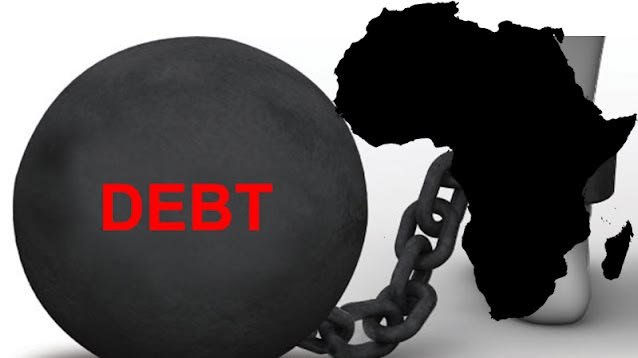
Nigeria’s debt service increases in 2026.
Join Our Social Media Channels:
WhatsApp: NaijaEyes
Facebook: NaijaEyes
Twitter: NaijaEyes
Instagram: NaijaEyes
TikTok: NaijaEyes