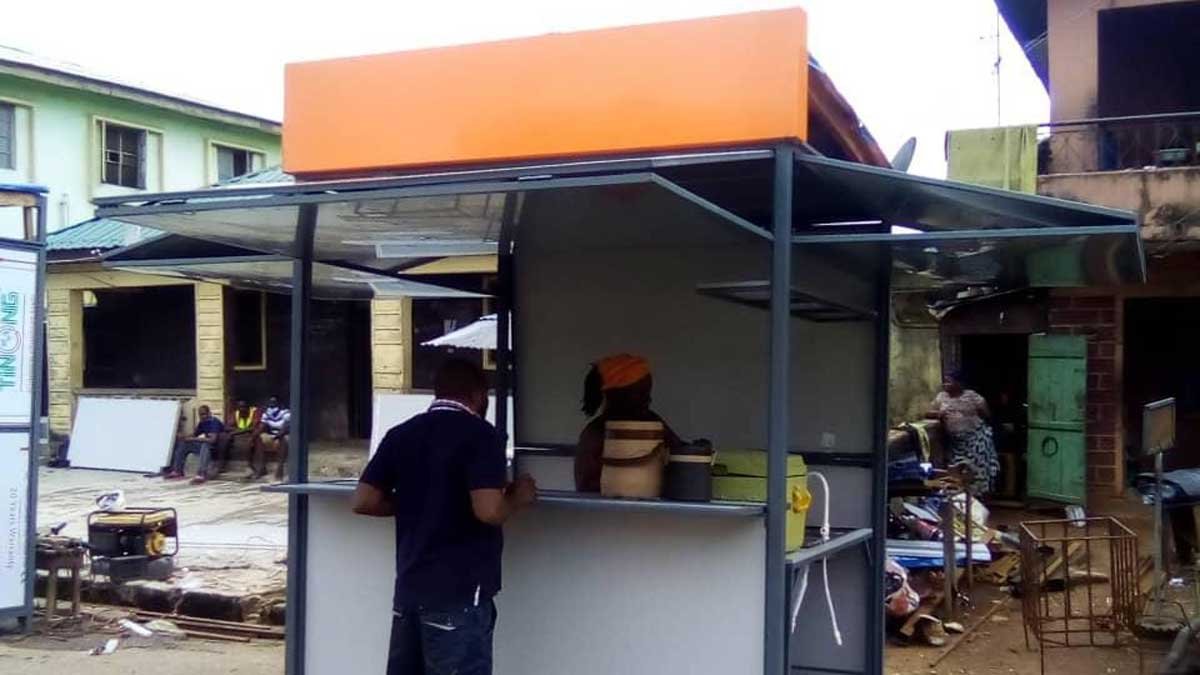

Across Nigeria, a quiet transformation is underway in markets, motor parks and rural town centres where small structures powered by the sun are beginning to redefine access to electricity, digital services and local commerce. Solar-powered tech kiosks, once seen as experimental interventions, are now gaining attention as practical tools for economic inclusion and energy resilience in a country still grappling with persistent electricity shortages.
Nigeria’s long-standing energy crisis has left millions without reliable power, with only about 45 per cent of the population connected to the grid and outages occurring frequently across regions. Against this backdrop, solar kiosks are emerging as decentralised solutions that meet people where they are, delivering services without dependence on the fragile national grid.
These kiosks are typically compact, solar-powered units equipped to provide electricity for charging devices, running small businesses, offering internet access, and in some cases delivering healthcare or financial services. What makes them particularly compelling is their adaptability to local needs and their potential to create both immediate and long-term value within underserved communities.

Growing adoption and economic promise
In recent years, interest in solar kiosks has accelerated, driven by a mix of private sector innovation, development initiatives and community demand. Programmes targeting youth empowerment and small business growth are increasingly incorporating kiosk models as a way to stimulate grassroots economic activity.
Industry stakeholders say the economic case is strong. Solar kiosks are relatively low-maintenance, reduce dependence on fuel-powered generators, and create employment opportunities for operators, technicians and supply chain participants. In a country where youth unemployment remains a pressing concern, this decentralised model offers a pathway for micro-entrepreneurship.
For many small business owners, the appeal is practical. Solar-powered kiosks eliminate electricity bills and ensure uninterrupted operations even in remote areas where grid access is unreliable or non-existent. This stability allows traders to extend business hours, preserve perishable goods and maintain consistent customer service.
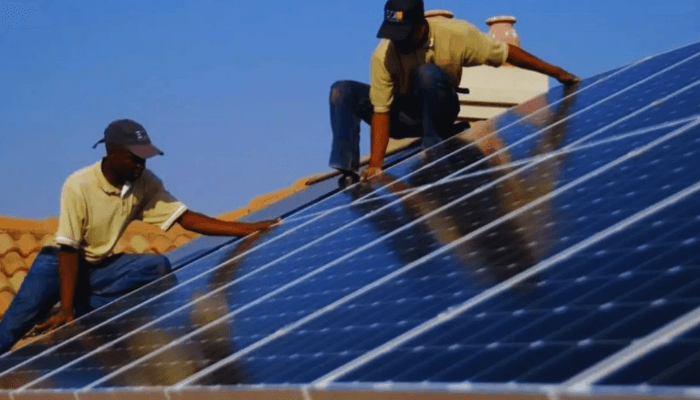
The model also supports a broader value chain. From assembling solar panels to maintaining battery systems and managing daily operations, kiosks generate jobs across multiple skill levels. Some initiatives even integrate training programmes, equipping young Nigerians with technical and entrepreneurial skills needed to sustain the ecosystem.
Beyond direct income, the ripple effects are notable. Studies on similar decentralised energy systems in Africa show increases in productivity, income levels and overall community wellbeing when reliable electricity becomes available. Solar kiosks, though smaller in scale than mini-grids, contribute to this same pattern of local economic uplift.
Technology, innovation and community impact
The modern solar kiosk is no longer limited to phone charging. Advances in technology have expanded their functionality, turning them into multi-service hubs that support digital inclusion and social development.
In some deployments across Africa, kiosks provide affordable internet access, enabling users to browse, download educational content or access digital services at low cost. In Nigeria, similar concepts are being explored, with kiosks positioned as entry points into the digital economy for communities that remain offline or underserved.
Healthcare is another area of growing interest. Certain solar-powered kiosks are designed to support basic diagnostic services and first aid, particularly in areas where formal healthcare facilities are limited. This integration of energy and health services highlights the versatility of the model.
Education also stands to benefit. Reliable electricity from solar systems can power lighting, computers and internet connectivity, enabling students to study after dark and access learning resources that were previously out of reach. In rural settings, where infrastructure gaps are more pronounced, such access can significantly improve educational outcomes.
Perhaps most importantly, solar kiosks foster a sense of local ownership. When communities are involved in the siting, management and operation of kiosks, adoption rates tend to improve and the systems are more likely to be sustained over time. This community-driven approach aligns with lessons from other kiosk-based service models, where local participation has proven critical to long-term success.
Challenges slowing widespread deployment
Despite their promise, solar-powered tech kiosks are not without challenges. Scaling the model across Nigeria requires navigating financial, technical and policy barriers that continue to limit adoption.
One of the primary obstacles is upfront cost. While solar technology has become more affordable in recent years, initial investment remains a hurdle for many entrepreneurs and small businesses. Access to financing, particularly for young people and rural operators, is still limited.
There are also technical considerations. Solar systems depend on consistent sunlight and effective storage solutions, and performance can vary based on location and maintenance. Broader issues associated with decentralised energy systems, such as load management and system reliability, must be carefully addressed to ensure sustainability.
Policy and regulatory frameworks present another layer of complexity. While Nigeria has made progress in supporting renewable energy, clearer guidelines and stronger incentives could accelerate the adoption of kiosk-based solutions. Stakeholders often point to the need for coordinated efforts between government agencies, private investors and development partners.
Market awareness is equally important. In some communities, a limited understanding of the benefits of solar technology can slow uptake, especially where alternative energy sources, even if unreliable or costly, are already in use. Building trust and demonstrating value will be key to expanding acceptance.
Back story: from energy gap to innovation opportunity
The rise of solar-powered kiosks in Nigeria is rooted in a long history of energy challenges that have shaped everyday life across the country. For decades, unreliable electricity has forced households and businesses to rely heavily on diesel and petrol generators, increasing costs and environmental impact.
Frequent outages and limited grid coverage have not only constrained economic growth but also widened inequality between urban and rural areas. In many communities, access to electricity has been sporadic at best, creating barriers to education, healthcare and enterprise.
At the same time, the rapid spread of mobile technology has created new demands. Millions of Nigerians now rely on smartphones for communication, banking and business, yet access to reliable charging infrastructure has lagged behind.
This gap between energy supply and digital demand has opened the door for innovative solutions. Solar kiosks emerged as one such response, combining renewable energy with practical service delivery in a way that addresses immediate needs while supporting long-term development.
Early pilot projects, both within Nigeria and across Africa, demonstrated that decentralised energy solutions could be commercially viable and socially impactful. Over time, these models have evolved, incorporating new technologies and expanding their range of services.
Today, solar-powered kiosks sit at the intersection of energy, technology and entrepreneurship, reflecting a broader shift towards decentralised and sustainable solutions in the face of systemic challenges.
Join Our Social Media Channels:
WhatsApp: NaijaEyes
Facebook: NaijaEyes
Twitter: NaijaEyes
Instagram: NaijaEyes
TikTok: NaijaEyes