Driven by Hardship: Why Organized Labor Is Rejecting the N100,000 Wage Proposal
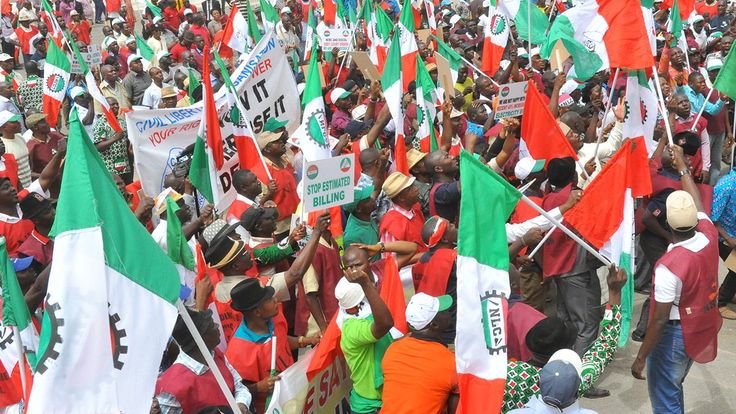
The ongoing conversation around public sector compensation in Nigeria has taken a definitive turn this morning. Organized labor has officially dismissed a fresh six-figure minimum wage proposal put forward by regional authorities. The Nigeria Labour Congress (NLC) insists that the suggested baseline of N100,000 fails to reflect the current cost of living. For millions of public workers facing severe economic pressures, this rejection highlights a growing demand for a wage structure that offers real, sustainable purchasing power.
The Core Arguments Behind the Immediate Dismissal
The decision to reject the proposal comes shortly after governors shared insights into their updated fiscal strategies. While local union leaders appreciate that regional governments recognize the need for a pay adjustment, they argue the actual number is insufficient.
According to labor representatives, a stable six-figure salary floor must account for recent economic shifts. The rapid depreciation of the local currency, paired with rising energy costs and elevated electricity tariffs, has heavily reduced the value of the average worker’s take-home pay.
Union spokespeople stress that simply adjusting the minimum wage baseline on paper does little good if inflation immediately erases those gains. They argue that with increased statutory revenue flowing into public treasuries, the state is fully capable of providing realistic relief.
Shifting the National Focus From Minimum to Living Wages
For everyday public servants, this debate is not a matter of abstract political strategy; it is a question of daily household survival. Over the past year, the prices of basic food items, transport, and family housing have climbed significantly.
This difficult reality has led to a major shift in institutional messaging. Workers are actively demanding a transition toward a structured “living wage” framework. A living wage looks beyond survival to ensure that families can comfortably handle modest medical costs and educational fees without falling into debt. Labor advocates point out that the workforce remains a country’s most valuable economic asset. Neglecting their welfare directly dampens productivity levels and slows down wider commercial growth across the country.
Balancing State Budgets with Social Security Realities
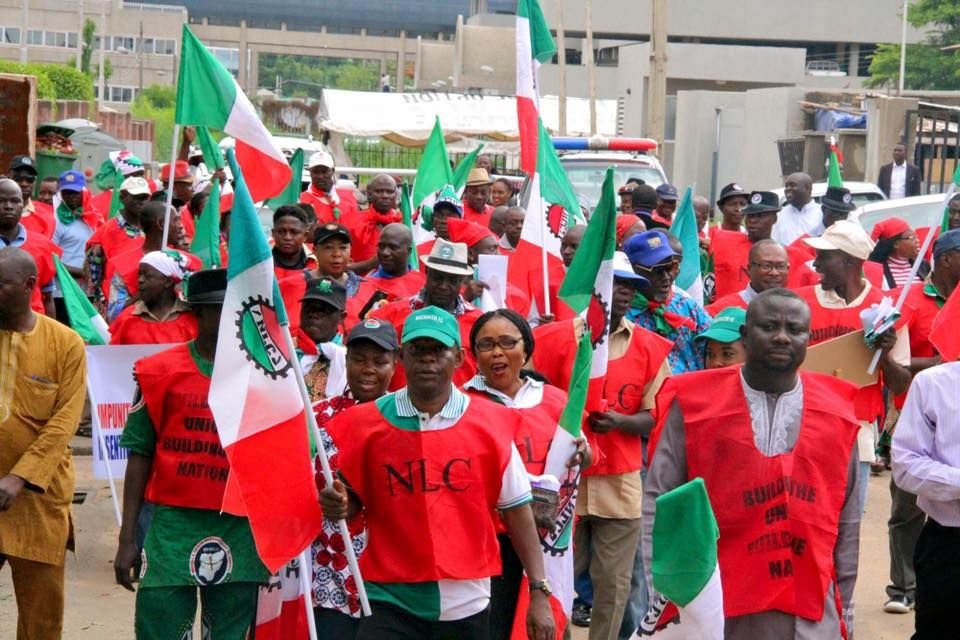
As both sides prepare for the upcoming formal negotiation rounds, fiscal sustainability remains a central theme. Financial experts suggest that any new national baseline must be carefully balanced to prevent straining state treasuries.
While some states enjoy strong revenue lines, others are dealing with heavy debt obligations that limit their financial flexibility. To bridge this gap, policy experts are urging the federal administration to complement any upcoming wage increases with structural reforms. Providing affordable public transit, subsidizing healthcare, and lowering raw material import duties would instantly ease the burden on workers. Ultimately, resolving this wage dispute requires a practical solution that protects worker dignity while keeping the national economy stable.
labor rejects N100000 minimum wage
Join Our Social Media Channels:
WhatsApp: NaijaEyes
Facebook: NaijaEyes
Twitter: NaijaEyes
Instagram: NaijaEyes
TikTok: NaijaEyes