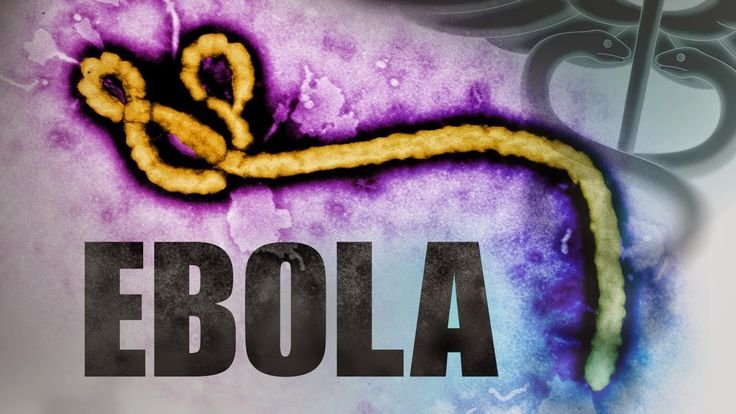

Strategic Shield: Nigeria Swings Into Action With N10 Billion Ebola Defense Fund.
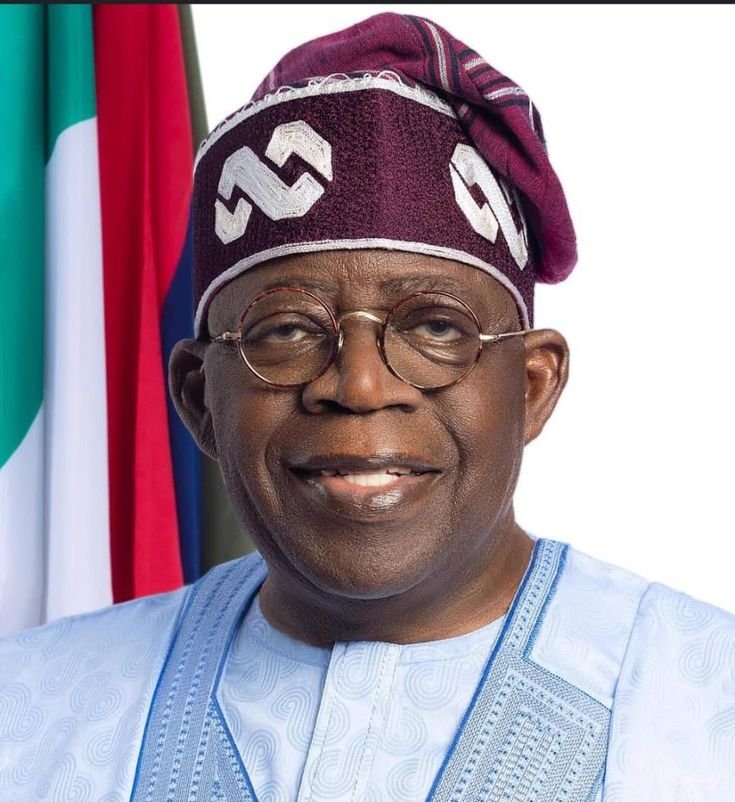
The federal government is building a highly proactive defense wall to protect the nation from incoming public health vulnerabilities. Moving decisively to secure our borders, President Bola Ahmed Tinubu has authorized the immediate setup of the Presidential Task Force on Ebola Virus Disease Preparedness and Emerging Public Health Threats.
Alongside this fresh administrative directive, the presidency has ordered the immediate release of N10 billion in emergency intervention funding. For local families, transit workers, and medical personnel across the country, this robust financial mobilization provides an essential layer of security. It ensures our medical defense teams are fully armed before any external threat arrives.
The True Backstory and Lessons of Our Shared History
To truly understand why the government is moving with such intense urgency, we must look back at Nigeria’s historical victory over the virus. In 2014, the nation faced an existential threat when an infected traveler bypassed regional security and introduced Ebola into our dense urban centers.
The ensuing battle required a monumental, historic sacrifice from our local medical community. Elite professionals on the front lines fought tirelessly to track contacts, establish isolation units, and stop the transmission loops completely. This rapid containment became a global gold standard for public health management. Today, with the virus staging a worrying resurgence in the Democratic Republic of Congo and Uganda, the state is pulling from that exact playbook. The administration is acting early to stop history from repeating itself.
Arming the Front Lines of Disease Surveillance
This emergency multi-billion Naira capital injection will flow directly toward fortifying the operational machinery of the Nigeria Centre for Disease Control and Prevention (NCDC). Rather than waiting to manage an active outbreak, the funding will aggressively scale up early warning systems and diagnostic networks nationwide.
A primary piece of this defense strategy is the immediate activation of modern referral and isolation complexes at major transit gateways, starting directly with the international airports in Lagos and Abuja. State governments operating international border corridors and air transport hubs must quickly submit clear action plans and facility needs. This coordinated local integration ensures that our health centers are fully stocked with protective gear and treatment assets, closing security gaps before regional flights touch down.
Tightening the Reins on Regional Air Transport Corridors

The administrative task force, led by the President’s Chief of Staff, Femi Gbajabiamila, is introducing remarkably strict surveillance protocols across all entry points. Security teams will scale up passenger screening, mandating high-frequency temperature checks and structured crowd-management systems on the arrival floor.
Furthermore, aviation authorities are heavily focusing on incoming flights originating from designated high-risk regional routes. Inbound travelers must now navigate a mandatory, digital health declaration system powered by scan-friendly QR codes. This technology allows border agents to track travel histories instantly and run rapid isolation procedures if necessary. By actively standardizing these strict environmental and screening rules, the state is transforming our busy airports from potential transmission vectors into ironclad security checkpoints.
Join Our Social Media Channels: