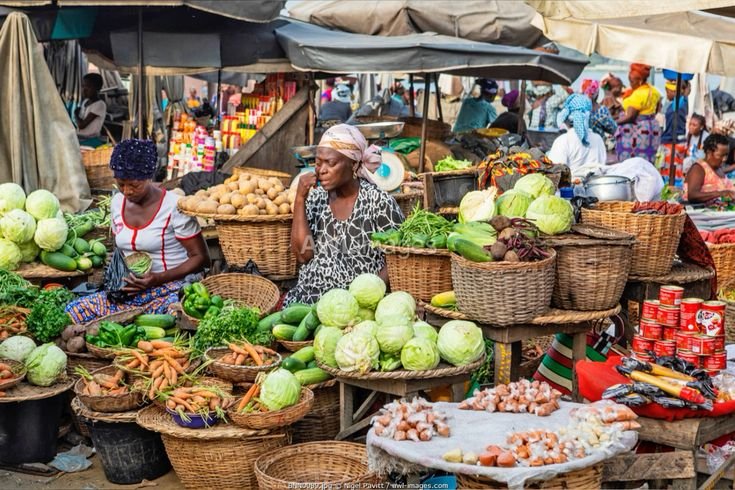
The Backstory: The Vanishing Affordable Protein Options
To fully understand the human impact of these soaring costs, one must look at how the average urban family eats.
Originally, imported mackerel, popularly known as Titus fish, served as the most dependable and affordable source of protein for millions of working-class households. Mothers relied heavily on it to prepare nutritious stews and soups without breaking the bank. However, current economic realities have completely shattered that domestic safety net.
Also read Relief for Lagosians: Food Prices Ease in April as Supply Chains Stabilize
Due to persistent foreign exchange scarcities, rising cold-storage electricity costs, and high port clearing duties, the price of Titus fish jumped by a massive 93 percent in the latest June survey. Therefore, what was once a basic staple has quickly transformed into an expensive luxury that many families can no longer afford.
Market Data Details the Rising Cost of Daily Meals
The recent price surge is not limited to frozen fish alone, as it cuts across multiple food categories.
According to the June market data, 26 distinct consumer products showed a noticeable upward price movement For example, everyday staples like locally processed rice, tomatoes, pepper, and cooking oil all recorded significant price bumps at major trading hubs like Mile 12 and Oyingbo markets.
Wholesalers blame these continuous increases on skyrocketing interstate transport costs, which are driven by high diesel and petrol prices. Furthermore, ongoing security challenges in major agricultural zones continue to limit the steady flow of fresh farm produce into Lagos. Thus, the combined weight of logistics costs and supply shortages is pushing retail prices to record highs.
Balancing Automated Data Systems with Human Editorial Insights
Reporting on urban economic struggles requires a perfect harmony between high-speed automated data scaling and deep human editorial empathy.
While advanced automated scraping programs can instantly gather commodity price lists from digital databases, they cannot capture the real emotional strain felt by a mother walking through a crowded market. Only a seasoned editor can translate these dry statistics into a relatable story about human survival and resilience.
For instance, the data tells us that prices are climbing, but human insight reveals how families are coping by substituting expensive items with lower-quality alternatives or cutting down on daily portions. Moving forward, stabilizing these volatile commodity markets will require targeted government interventions in transport logistics and agricultural security. Therefore, local shoppers must adopt smart budgeting strategies to navigate these challenging times.
According to the Nairametrics Market Survey Report (July 2, 2026): Lagos food prices: Titus fish jumps 93% as 26 items rise in June survey