The Federal Government has renewed its urgent appeal to Nigerian nationals living in South Africa. Amidst continuing anti-migrant hostilities, citizens are being urged to join the government-sponsored repatriation flights. The Minister of Foreign Affairs, Ambassador Bianca Odumegwu-Ojukwu, emphasized that protecting human lives takes priority over any material property left behind.
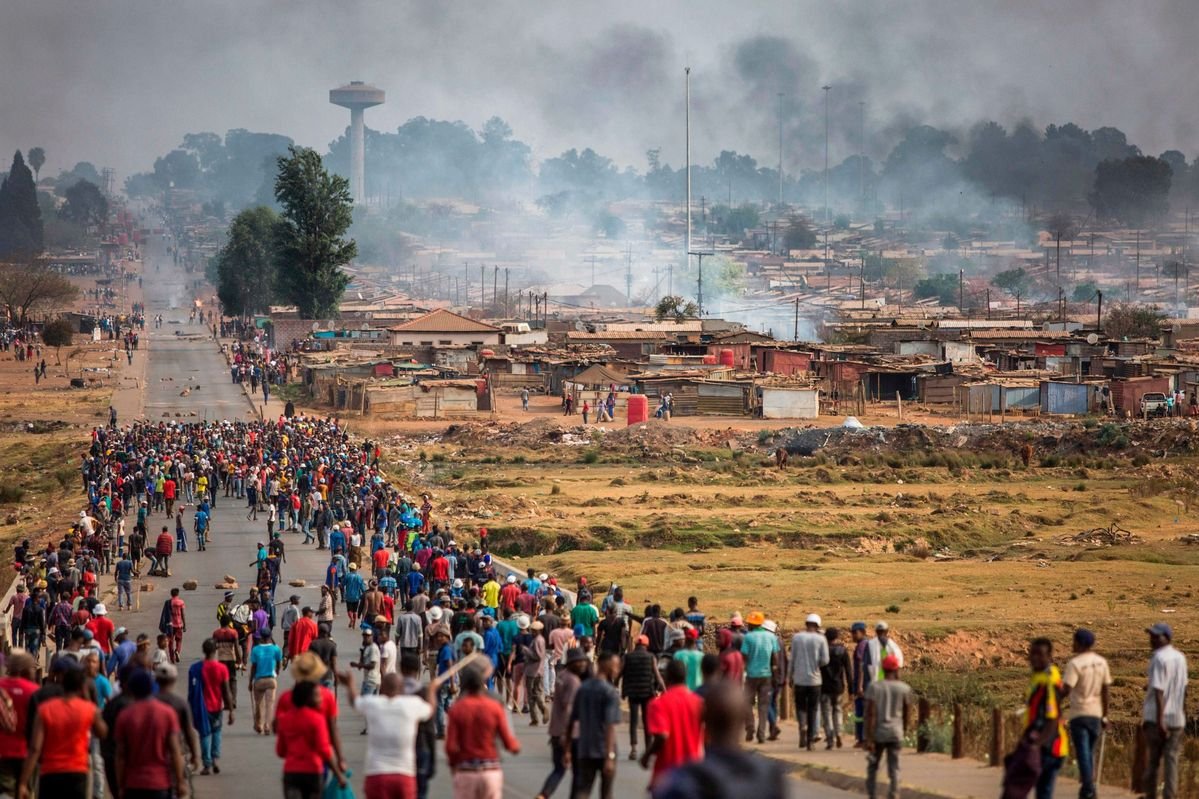
Tragic Loss and Escalating Risks
The call for immediate evacuation follows the tragic deaths of two Nigerians, Musa Yunana Joe and Charles Iroegbu, who lost their lives during the violent unrest. According to reports from Punch Newspapers, grassroots anti-migrant movements like Operation Dudula set an unofficial exit deadline of June 30, 2026, for undocumented foreign nationals. Despite the passing of this date, targeted protests and street violence continue to pose significant dangers to African immigrants.
Also Read Xenophobia: Nigerians In S’Africa Take Up Arms, Defend Themselves
The Ministry of Foreign Affairs noted that hostility frequently affects legal and undocumented residents alike. Consequently, diplomatic officials advise all Nigerians currently remaining in South Africa to carefully reassess their personal safety risks.
Extending Air Peace Repatriation Flights
In response to the volatile situation, President Bola Ahmed Tinubu extended the emergency flight window beyond the initial June 30 cutoff. A special charter flight operated by Air Peace successfully brought home a fourth batch of 268 citizens. The returnees safely landed at the Murtala Muhammed International Airport in Lagos.
As noted by Channels Television, this brings the total number of repatriated citizens to well over 850 individuals since the operations began. To ensure a smooth transition, the federal authorities have structured subsequent departures to maximize available aircraft capacity:
Tuesday, July 7, 2026: A dedicated emergency flight is scheduled to depart Johannesburg for Lagos.
Friday, July 10, 2026: The final government-sponsored rescue flight is slated to complete the emergency evacuation window.
The Long Journey Back Home
For many returning families, the decision to leave remains bittersweet. A significant number of returnees have spent years building small businesses, acquiring property, and integrating into local neighborhoods. To address these hardships, the Ministry of Foreign Affairs has instructed all evacuees to accurately document their abandoned properties and assets. The Nigerian government plans to use these records to engage in bilateral talks with South African authorities for potential asset recovery.
Upon arrival in Lagos, officials from relevant ministries, departments, and agencies will handle the necessary profiling, documentation, and trauma support. This structured process ensures that returning families receive immediate assistance before reuniting with their loved ones.
As the final July 10 deadline approaches, diplomatic missions continue to register citizens who wish to return home voluntarily. The government maintains that while businesses and investments can be rebuilt, human life is irreplaceable.