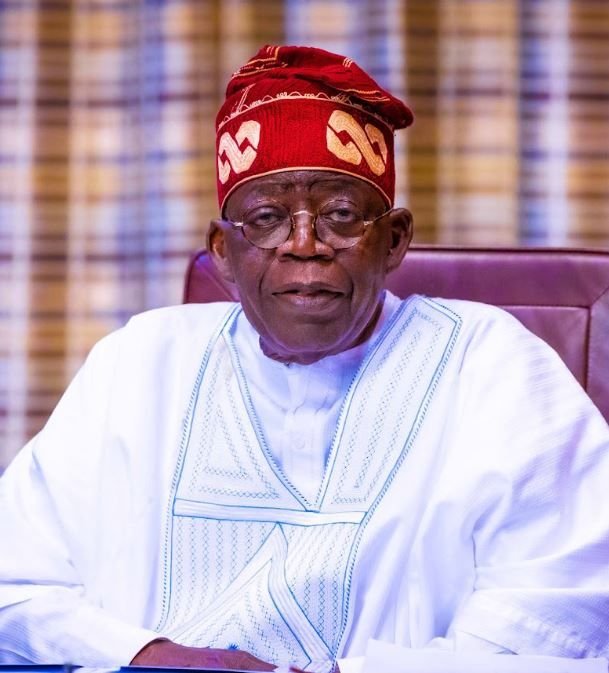

The fiscal transparency of President Bola Ahmed Tinubu’s administration has come under renewed scrutiny following an International Monetary Fund (IMF) report that highlights approximately N8.8 trillion in expenditure not reflected in official budget documents.
IMF raises concerns
The IMF made the observation in its 2026 Article IV Consultation Report, released in June.
According to the report, the Federal Government recorded expenditures that were not captured in official fiscal documents.
The Fund estimated the unrecorded spending at N8.8 trillion, representing roughly 2 per cent of Nigeria’s Gross Domestic Product (GDP) during the period under review.
Tinubu administration’s budgets
The Tinubu administration is currently implementing the 2024, 2025 and 2026 budgets, with a combined value of about N154.25 trillion, excluding the N2.17 trillion supplementary appropriation approved shortly after the administration assumed office in 2023.
Opposition reacts
The IMF’s findings have sparked criticism from opposition figures.
Former presidential candidates of the African Democratic Congress (ADC) and the Nigeria Democratic Congress (NDC), Atiku Abubakar and Peter Obi, have questioned the Federal Government over the reported N8.8 trillion in unaccounted expenditure.
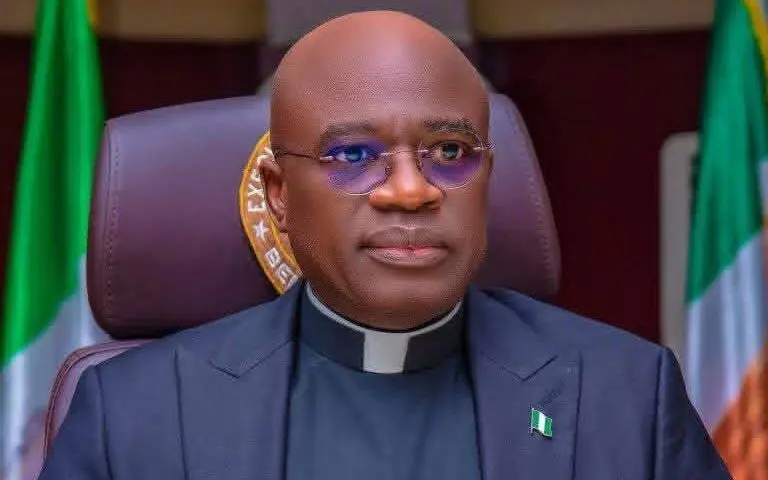
Responding to the controversy, Minister of Finance Taiwo Oyedele rejected claims that the funds were “missing,” insisting that the government’s finances remain fully accounted for within constitutional provisions.
According to him, the IMF merely identified discrepancies in financial reporting rather than evidence of missing public funds.
Expert weighs in
Reacting to the controversy, Professor of Accounting and Finance at Lead City University, Godwin Oyedokun, told our correspondent that the issue extends beyond whether the money is missing, stressing that the real concern is whether government financial records provide sufficient transparency, reconciliation and accountability.
He noted that the IMF’s observations could have significant implications for Nigeria’s economy and public confidence.
According to Oyedokun, the debate should be approached objectively, as the IMF’s concerns relate mainly to fiscal reporting, reconciliation of government accounts and the treatment of certain expenditures and financing operations.
He argued that until the Federal Government, oversight institutions and independent auditors complete the reconciliation process, it would be premature to conclude that the funds were stolen or permanently lost.
Nevertheless, he said the development raises important questions about governance and public financial management.
The accounting expert acknowledged that the Tinubu administration has introduced several fiscal reforms, including subsidy removal, revenue digitisation, tax reforms and measures aimed at improving transparency and blocking revenue leakages.
However, he stressed that such reforms must be supported by timely public disclosure of financial records, independent audits and effective legislative oversight to earn public trust.
Oyedokun warned that unresolved concerns over government finances could weaken investor confidence, increase Nigeria’s sovereign risk profile and raise the country’s borrowing costs.
He added that uncertainty surrounding public finances could also undermine public support for ongoing economic reforms if citizens perceive a lack of transparency in the management of public funds.
According to him, ordinary Nigerians are directly affected because public resources are expected to fund critical sectors such as infrastructure, healthcare, education, security and social welfare.
He said doubts over the management of such substantial sums could erode confidence in government institutions, weaken tax compliance and make citizens more resistant to future fiscal reforms.
Oyedokun further called for reforms to strengthen Nigeria’s public financial management system, including better integration of digital treasury platforms, real-time expenditure monitoring, stricter implementation of the Treasury Single Account (TSA), stronger compliance with the Fiscal Responsibility Act and enhanced oversight by the National Assembly and the Office of the Auditor-General.
He concluded that the controversy should not be viewed merely through a political lens but rather as a test of Nigeria’s commitment to fiscal transparency, accountability and institutional credibility.
According to him, sustainable economic growth depends not only on generating more revenue but also on ensuring that every naira of public expenditure is properly accounted for and delivers measurable value to Nigerians.