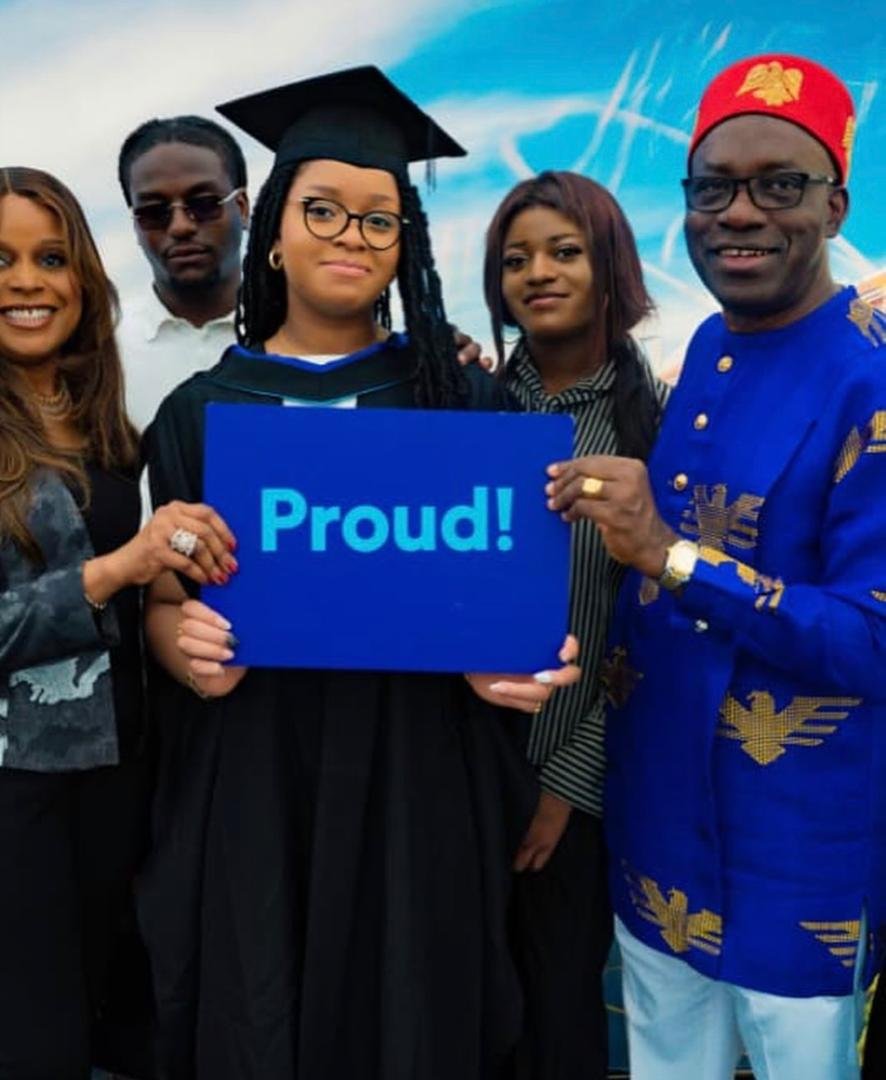

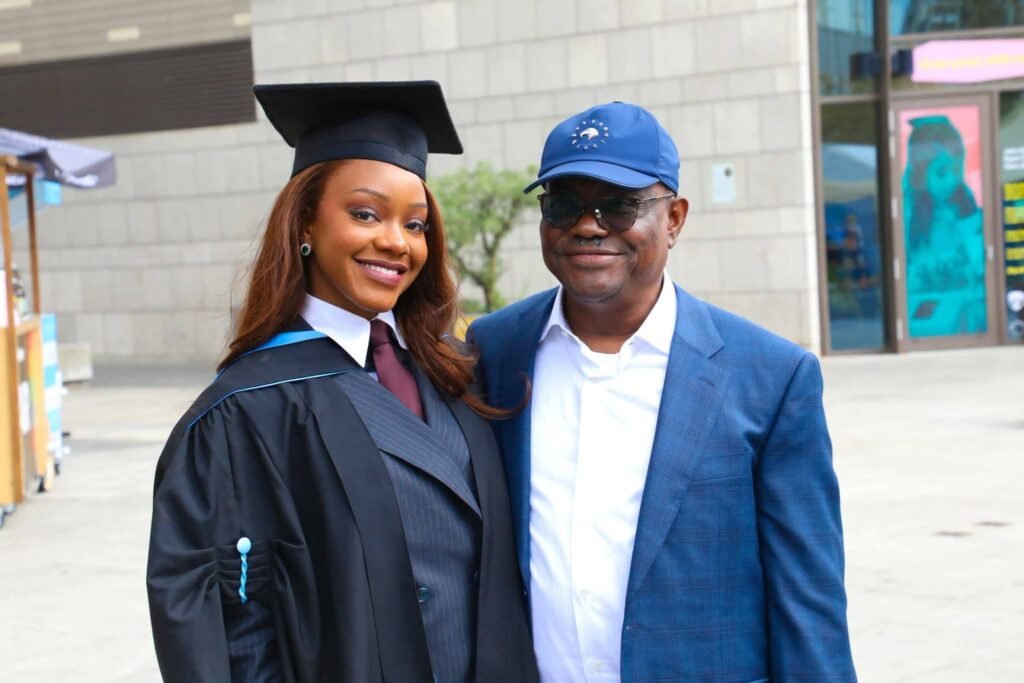
In less than 24 hours, two high-profile celebrations by Nigerian politicians’ children abroad reignited a conversation that has lingered for years.
FCT Minister Nyesom Wike proudly celebrated his daughter’s graduation from the University of Southampton in the United Kingdom. Hours later, Anambra State Governor Chukwuma Soludo marked his son’s graduation from the University of Nottingham, also in the UK.
There is absolutely nothing wrong with parents giving their children the best education they can afford. Every parent would do the same if given the opportunity. But in Nigeria, these celebrations inevitably provoke a different conversation.
They raise a difficult question: What do these choices say about the confidence Nigeria’s political elite have in the country they govern?
The two graduations are merely the latest examples in what many Nigerians see as a long-standing pattern. In 2025, Wike also celebrated another child’s graduation from a foreign university, joining a long list of current and former public office holders whose children have studied in Britain, the United States, Canada and other countries.
Over the past two years, senior government officials—including the APC, the Senate President, Akpabio, minister of interior, Olubunmi Tunji-Ojo, former finaince minister, Wale Edun among others have repeatedly urged Nigerians to remain patient with President Bola Tinubu’s administration, insisting that the economic reforms underway will eventually yield results. Wike himself recently appealed to striking teachers in the Federal Capital Territory to return to work while discussions over their welfare continued.
Read Also: APC asks Nigerians to be patient with Tinubu, make sacrifices
Yet while millions of ordinary Nigerians grapple with underfunded public schools, prolonged strikes, rising tuition costs and an education system struggling to compete globally, many children of the country’s political elite are earning degrees in institutions thousands of kilometres away.
Again, this is not about denying anyone the right to seek quality education. It is about the message those choices send.
When Actions Speak Louder Than Speeches
The latest graduations involving Nigerian politicians’ children abroad are not isolated events. They are simply the latest examples of a trend many Nigerians have quietly observed for years.
Leadership is not measured only by policies and speeches. It is also reflected in the confidence leaders demonstrate through their personal decisions. When those responsible for improving Nigeria’s institutions consistently entrust their own children to foreign universities, many citizens are left wondering whether the country’s leaders truly believe in the systems they ask everyone else to trust.
Perhaps there are perfectly valid personal reasons behind every decision. Perhaps these children enrolled years before their parents assumed office or before today’s economic realities unfolded. Still, symbolism matters.
Every graduation photograph from Southampton or Nottingham tells two stories. One celebrates academic excellence and parental pride. The other quietly asks a question that continues to resonate across Nigeria: If the country’s future is bright enough to ask citizens to stay and believe, why do so many of those in power prepare their own children for success somewhere else?
Read Also: FCT Workers Defy Wike, Ignore Court Order to Suspend Strike