
The fight against drug abuse in Abuja, Nigeria, cannot be left to law enforcement agencies alone, stakeholders have said, as they called for stronger prevention, early education, and community involvement to keep young people away from illicit substances.
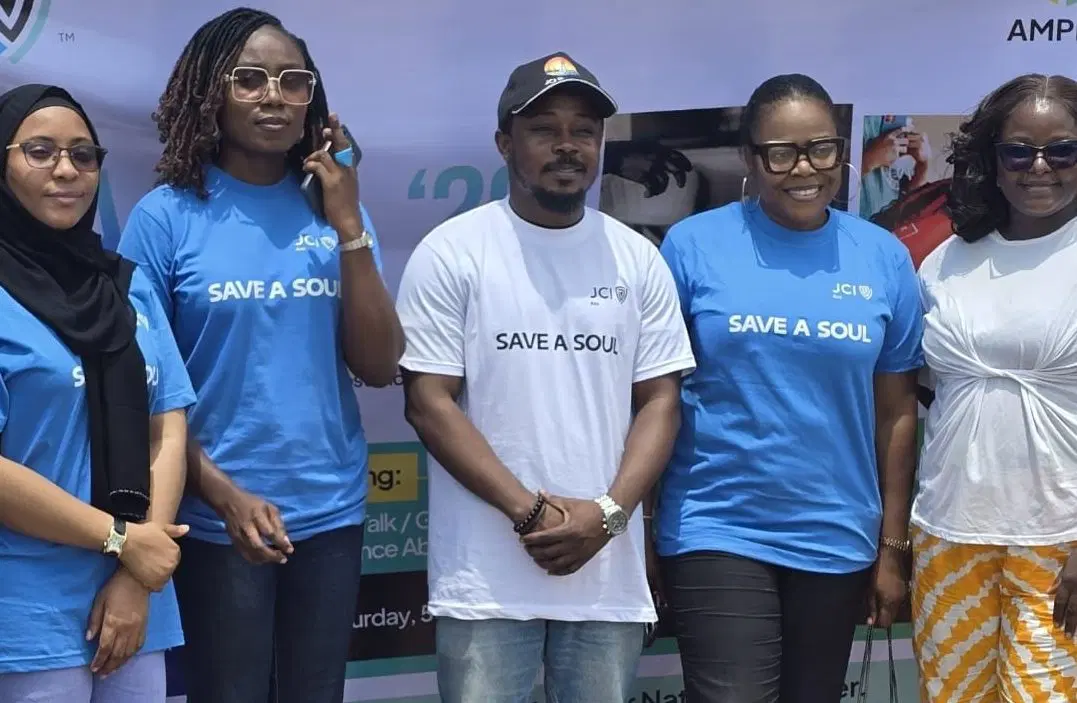
The call was made on Saturday in Kubwa, Abuja, during the 2026 edition of JCI Aso’s Project Save A Soul, themed “Stronger Body, Stronger Mind, Stronger Nation.”
The event brought together the Junior Chamber International (JCI) Aso, the National Drug Law Enforcement Agency (NDLEA), community members, and other stakeholders for a sensitization program focused on the growing concerns around drug and substance abuse.
The event was covered by NaijaEyes as media partners, alongside other outlets reporting on the discussions and activities focused on strengthening community awareness and prevention of drug abuse.
‘The conversation must start early.’
Speaking at the event, JCI Aso President Peter Emmanuel Yilbiem said Project Save A Soul was designed to give communities the information they need to identify, prevent, and respond to substance abuse.
According to him, the consequences of drug abuse extend beyond the individual using substances, affecting families and entire communities.

Yilbiem said the partnership with the NDLEA and other stakeholders was deliberate because people close to those struggling with drug use often do not know how to intervene.
He stressed the need for the conversation to move beyond small gatherings and become a mainstream national discussion.
He said, “It cannot be a conversation in small rooms alone. Yes, the impact begins in little rooms, but we want it to be a big conversation, a mainstream conversation, because we are all important in this fight against substance abuse.”
Yilbiem also appealed to the federal government to provide stronger support for agencies such as the NDLEA to enable them to expand their work.
NDLEA: ‘Catch them young’
Assistant Superintendent of Narcotics at the NDLEA National Headquarters, Pascal Iwegbu, said the agency was taking its anti-drug message to schools, religious centers, and communities.
He identified ignorance, peer pressure, curiosity, and environmental factors among some of the reasons people become involved in drug abuse.
Iwegbu urged residents to report people involved in the sale of illicit substances rather than protect them.
He also highlighted the importance of parents in preventing children from becoming exposed to drug use.
His message was simple: “Talk to your children. You catch them young.”
Speaking further, he warned parents to be conscious of the behaviors they expose their children to at home, noting that children can learn from what they see around them.
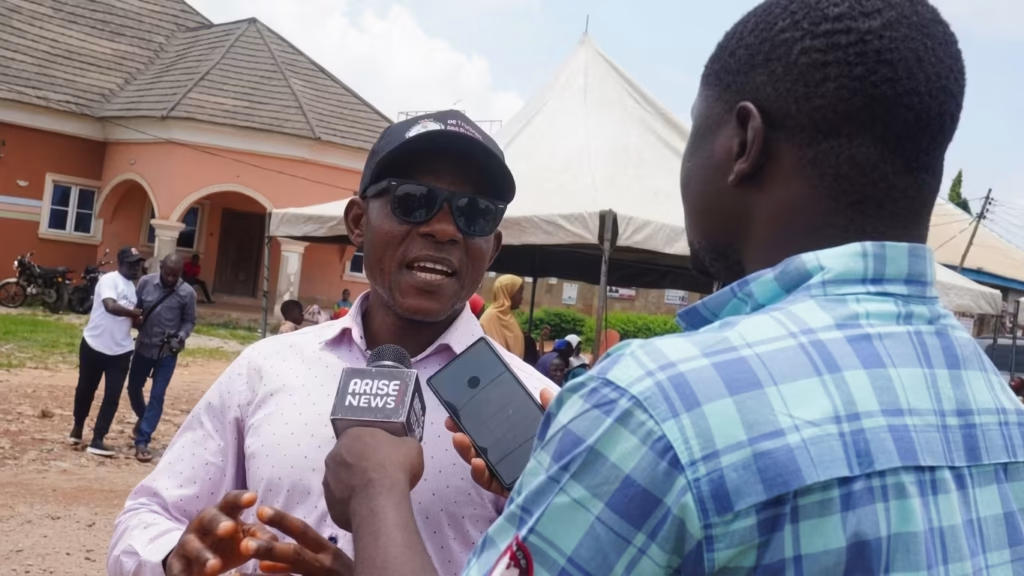
The NDLEA official also disclosed that the agency was implementing an alternative development program designed to encourage people involved in illicit drug cultivation to move into legitimate agriculture.
According to him, a pilot program in Ondo State provides participants with agricultural inputs, equipment, and capital to cultivate legal crops.
Why prevention matters
The strongest warning at the event came from guest speaker Amb. Kenneth Anetor, Executive Director of Newton International Foundation and Head of Strategy, Innovation, and Finance for the Presidential Special Committee for Elimination of Social Vices in Secondary and Tertiary Institutions.
Anetor expressed concern over the perception of drug use among some young people.

He recounted hearing about a young boy who believed taking drugs could give him the energy needed to work.
For him, that belief was evidence that the problem goes beyond drug availability. It also reflects a gap in information and understanding that prevention campaigns must address.
He argued that Nigeria should not wait until people become dependent on drugs before acting.
“Yes, there’s a call for addressing the issues concerning people using drugs and rehabilitation centers, but it is wise that we begin to start to invest in prevention and in sensitization.”
Anetor called for increased funding for drug demand reduction, prevention, and sensitization programs, while urging greater support for organizations taking these campaigns directly into communities.
He also linked drug abuse to wider social problems, including insecurity and violence, warning that the consequences could have implications for Nigeria’s future.
Read Also: IGP Disu kicks off nationwide anti-cultism, drug abuse campaign