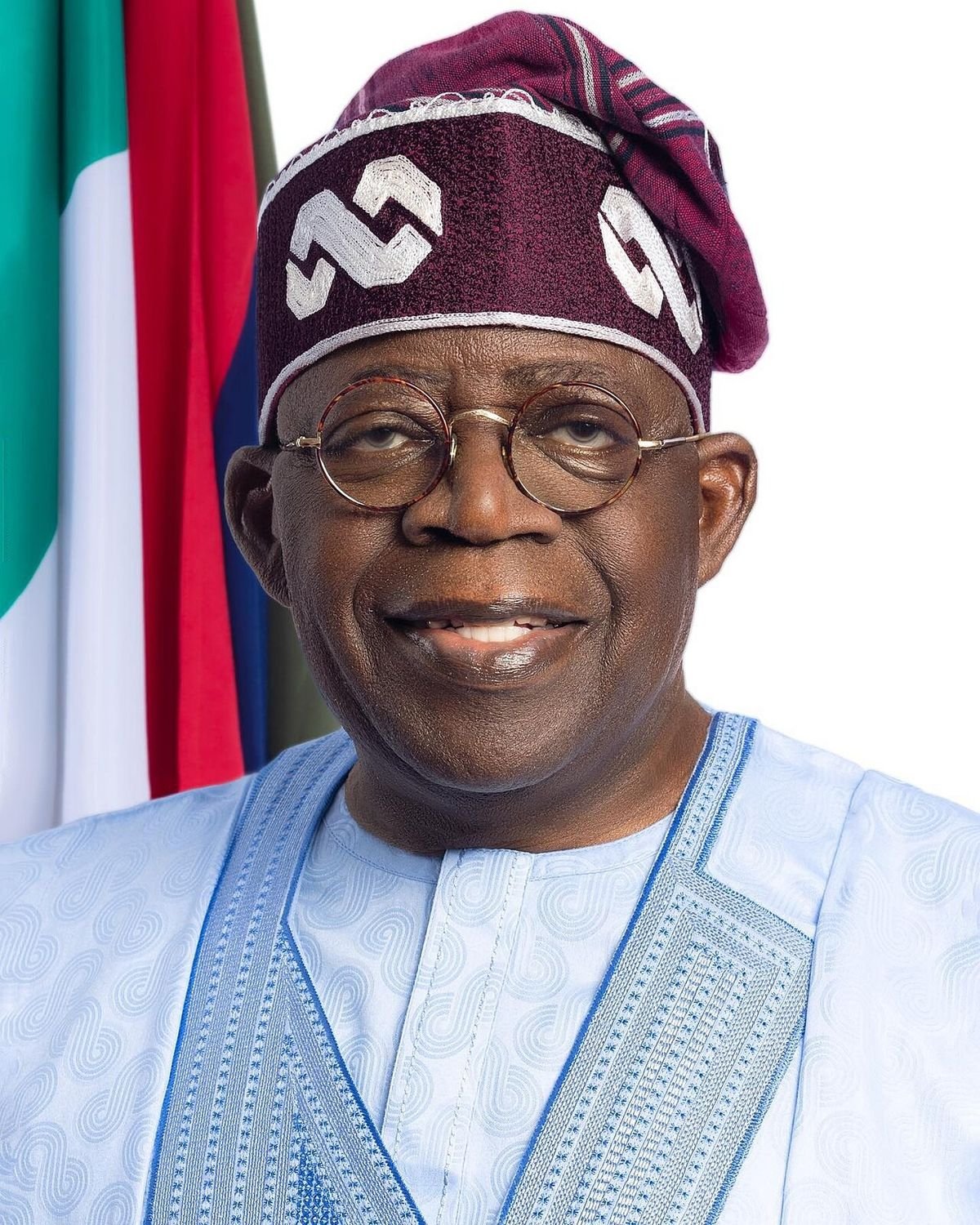

Strengthening a country’s healthcare delivery requires retaining top clinical talent while tapping into global expertise. During a State House reception in Abuja, President Bola Ahmed Tinubu issued a direct Nigerian diaspora doctors return call, urging medical professionals practicing overseas to reconnect with their homeland and support ongoing healthcare reforms.
Also read Doctors vs EFCC: UUTH CMD Makes Urgent and Emotional Appeal, Pleads for Suspension of Strike in Negative Healthcare Crisis Tensions
Hosting a delegation of the Nigerian Diaspora Medical Associations Worldwide as part of the 2026 National Diaspora Day, President Tinubu reflected on his own journey abroad before returning to public service:
“I have been through that journey, I’m home now and I can tell you there’s nowhere like home. Some people built the society where you are; their hands were on their plough, and their focus was to develop their nation.”
The presidential appeal comes as the administration accelerates health infrastructure investments across primary, secondary, and tertiary care facilities nationwide.
The Backstory Behind the Healthcare Brain Drain
To understand the urgency behind this call, one must examine the severe brain drain that has affected Nigerian medicine for decades. Better pay, modern clinical equipment, and improved living conditions abroad lured thousands of home-trained medical practitioners to the United Kingdom, North America, and the Middle East.
Consequently, local clinics and regional teaching hospitals faced critical staffing shortages, leaving thousands of patients underserved.
To reverse this damaging trend, government agencies have shifted strategy. Rather than discouraging emigration, leaders now actively build diaspora bridges—encouraging medical missions, research partnerships, skill transfers, and permanent repatriation.
Government Initiatives and Strategic Health Partnerships
Reversing professional migration demands structured policy support alongside executive speeches. Chief Executive Officer of the Nigerians in Diaspora Commission (NIDCOM), Abike Dabiri-Erewa, emphasized that overseas practitioners are eager to support local healthcare goals.
Similarly, Minister of State for Health, Dr. Iziaq Adekunle Salako, affirmed that federal health authorities have institutionalized collaboration with diaspora associations.
According to an official briefing published by Premium Times, key measures deployed to support returning medical personnel include:
- Digital Health Platforms: Remote telemedicine frameworks allowing diaspora specialists to consult on local cases
- Research and Equipment Funding: Targeted grants for modern diagnostic laboratories and surgical suites
- Improved Welfare Structures: Competitive compensation models designed to retain clinical specialists
- Annual Outreach Programs: Formalized yearly schedules for foreign-based surgical and diagnostic missions
Rebuilding National Infrastructure Through Global Knowledge
Ultimately, transforming Nigeria’s healthcare system relies on marrying local dedication with international innovation.
By encouraging diaspora specialists to share advanced clinical methods and invest in private medical facilities, federal authorities aim to reduce foreign medical tourism.
With structured partnerships now taking shape, the administration seeks to build a resilient healthcare environment where young doctors can thrive, practice safely, and deliver quality care across every state.