
Creating a safer society requires active public participation and modern security frameworks. In a landmark step toward reforming law enforcement, the Federal Government has officially invited citizens to submit policy recommendations for a comprehensive statutory overhaul. The call for draft national policing bill public proposals offers a two-week window for public contributions to shape decentralization efforts.
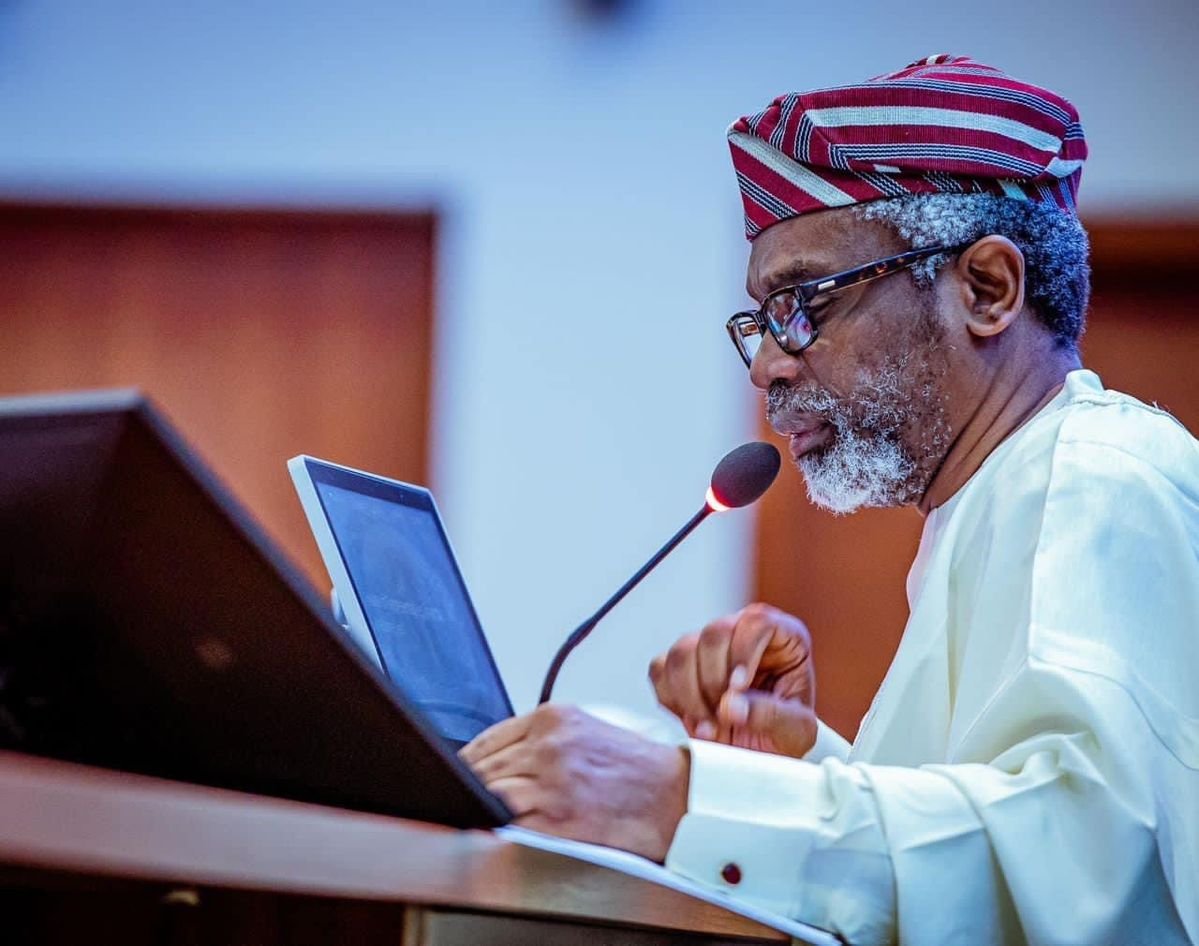
According to official announcements from Premium Times, Chief of Staff to the President, Femi Gbajabiamila, confirmed the move following a high-level meeting at the State House in Abuja.
This initiative forms part of a structured seven-week roadmap designed to transition Nigeria from a single federal structure to an accountable, dual-policing system.
Also read Chellarams Returns to N1.45 Billion Profit as Revenue Jumps 84%
The Backstory Behind the Drive for Decentralized Policing
To understand why this legislative reform matters, one must examine long-standing security challenges across the nation. For decades, a centralized police structure struggled to manage localized crime, rural banditry, and communal conflicts effectively.
In response to widespread public demand, President Bola Tinubu prioritized constitutional amendments to allow states to operate their own police services.
The Senate approved the constitutional amendment on June 24, 2026, followed by the House of Representatives on July 23, 2026.
However, before state governments can deploy regional officers, federal authorities are establishing uniform operational guidelines. This framework ensures that local law enforcement meets high standards of professionalism and respects human rights.
Strategic Governance Safeguards and Implementation Roadmap
While state policing aims to improve response times, stakeholders emphasize the need for strong safeguards against political misuse by state governors.
Key pillars guiding the new legislative framework include:
- Strict Certification Standards: States must demonstrate financial sustainability, proper training facilities, and transparent recruitment processes before receiving operational licenses.
- Independent Oversight Committees: Attorney-General of the Federation Lateef Fagbemi noted that independent bodies will handle public complaints to prevent political victimization.
- Emergency Federal Intervention: The federal police force will retain constitutional authority to step in during severe breakdowns of public order.
- Public Memorandum Window: Citizens, civil society groups, and legal experts have two weeks to submit written proposals to shape the draft legislation.
Highlighting the importance of rigorous operational standards, Chief of Staff Femi Gbajabiamila stated:
“A proposed State Police Service must demonstrate that it has credible arrangements for recruitment, vetting, training, equipment, and financial sustainability before it begins policing.”
What Lies Ahead for Security Reform
Looking ahead, the Presidential Working Group will integrate public submissions into an executive bill package scheduled for presentation to the President on September 3, 2026.
Following additional nationwide stakeholder consultations, the finalized bill will go to the National Assembly for formal enactment.
Ultimately, giving citizens a voice in draft national policing bill public proposals ensures that Nigeria builds a modern, accountable, and community-focused security architecture.
AI Video-Explainer: The Nigerian State Police Bill 2026 | Key Facts Every Nigerian Should Know
This video provides an easy-to-understand breakdown of how the proposed dual-policing structure will operate, detailing the powers, safeguards, and legal processes involved in the transition to state policing in Nigeria.