
Artificial intelligence is quickly becoming part of everyday advertising in Nigeria. From generating marketing copy and product images to creating videos, chatbots and personalised campaigns, AI is helping businesses produce content faster and, in many cases, at a lower cost.
But as the technology becomes more powerful, Nigerian regulators are moving towards a clearer set of expectations for how businesses use AI in commercial communication.
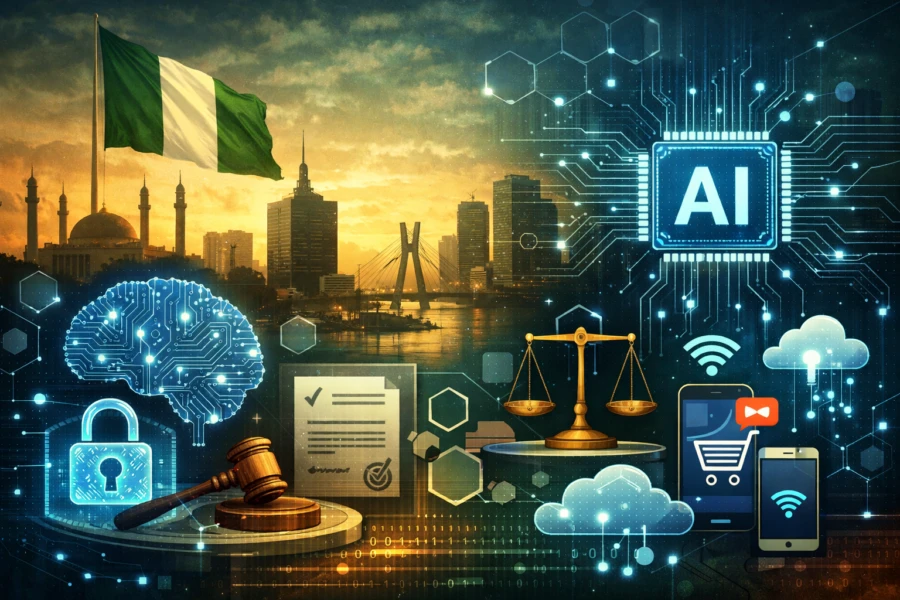
The Federal Competition and Consumer Protection Commission (FCCPC) has proposed a new guidance note specifically addressing AI-generated and digitally altered content used in consumer communications. The proposal covers issues including AI-generated testimonials and reviews, deepfake content, AI-generated product images, automated chatbots and protections for children exposed to advertising.
For brands, advertising agencies, influencers and digital marketers, the development could significantly change how AI-assisted campaigns are created, reviewed and published in Nigeria.
The key issue is not whether businesses can use AI. Rather, it is whether consumers can clearly understand when technology has been used and whether the resulting advertisement remains truthful, transparent and capable of being substantiated.

What the Proposed AI Advertising Rules Mean for Brands
One of the most significant areas covered by the FCCPC’s proposed Guidance Note No. 1/2026 is disclosure of AI-generated content.
This could become particularly important as generative AI makes it increasingly easy to create realistic people, voices, photographs and videos that never existed in reality.
For example, a company could use AI to create a virtual person demonstrating a product or generate an image showing a product in a setting that does not exist. While such tools can make advertising more creative, they can also create a misleading impression if consumers believe the material represents a real person, real experience or genuine product result.
The proposed guidance also addresses AI-generated testimonials and reviews. This is an important area because testimonials have traditionally been used to build trust between brands and consumers.
If AI creates a fictional customer and presents that person as someone who actually used a product, the distinction between creative advertising and deception becomes much more serious.
Deepfakes are another major concern. AI can now digitally manipulate someone’s appearance or voice in ways that may make it appear that a public figure, celebrity or professional has endorsed a product when they have not.
The FCCPC’s proposed framework specifically identifies deepfake content as an area requiring regulatory attention. It also considers AI chatbots and automated conversational agents used in consumer interactions.
For businesses, this suggests that simply saying “AI created it” may not be enough. Companies will still need to take responsibility for the claims and impressions created by their advertisements.
Back Story: Why Nigeria Is Paying Attention to AI Advertising
Nigeria already has an established advertising regulatory structure. The Advertising Regulatory Council of Nigeria (ARCON) is responsible for regulating and controlling advertising practice in the country, with a mandate that includes setting standards and ensuring compliance.
ARCON’s existing vetting system already requires advertisements within its regulatory scope to receive approval before exposure. The Council says its vetting process is designed to address problems such as misleading statements, false testimonials, exaggerated claims and misleading offers.
The rise of generative AI introduces a new layer to these existing concerns.
An advertisement can now be produced in minutes with synthetic photographs, computer-generated presenters, cloned voices, automated copy and personalised messages. The technology makes production easier, but it also makes it possible to create convincing material that consumers may struggle to distinguish from authentic content.
The FCCPC’s April 2026 exposure notice shows that regulators are responding to this changing environment. Alongside the proposed AI content guidance, the Commission also proposed guidance covering consumer data protection in commercial transactions and influencer obligations, including disclosure, truthfulness and substantiation requirements.
This wider regulatory direction reflects a growing concern that digital advertising must evolve alongside the technology powering it.
Also Read: Why Nigeria’s Probe Into AI Companies Could Change Digital Journalism Forever
What the New AI Advertising Era Could Mean for Nigerian Businesses
If the proposed guidance progresses, Nigerian businesses may need to rethink their internal advertising processes.
Marketing teams could increasingly require human review before AI-generated campaigns are published. Businesses may also need clearer records showing where AI was used, how claims were verified and whether synthetic testimonials, images or other material could mislead consumers.
This does not necessarily mean AI will become a problem for advertisers. In fact, responsible use of the technology could give Nigerian businesses a significant advantage.
Small businesses can use AI to brainstorm campaigns, improve customer communication, create first drafts and develop marketing concepts without replacing human judgement. The difference will be in how carefully the final material is reviewed.
The development also gives consumers a reason to become more critical of what they see online. A realistic photograph, familiar voice or convincing testimonial may no longer be sufficient evidence that an advertisement is genuine.
For brands, the message is becoming clearer: AI can assist the creative process, but responsibility cannot be handed over to the machine.
Nigeria’s proposed AI advertising framework is still part of an exposure process, so businesses should avoid treating it as a final law. However, its direction is significant. It points towards an advertising environment where transparency, consumer protection and accountability will become increasingly important as artificial intelligence moves from a marketing tool into a central part of how brands communicate with Nigerians.