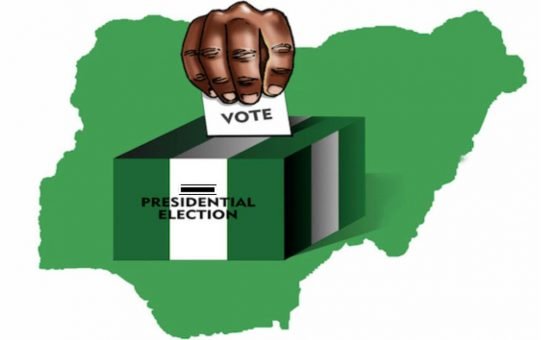

Nigeria’s 2027 general election is shaping up to be more than a contest between political parties and candidates. It could also become the country’s most significant election yet in the age of generative artificial intelligence, with AI tools already changing how political messages are created, distributed and consumed.
The concern is not simply that Nigerians may see more AI-generated pictures or videos online. The bigger issue is that artificial intelligence can now produce convincing audio, video, images and written content at a speed that makes traditional verification increasingly difficult.
This matters in Nigeria because political conversations have already shifted heavily to social media, messaging platforms, and smartphones. A false claim can travel across WhatsApp, Facebook, X, TikTok and other platforms long before journalists or fact-checkers have enough time to establish whether it is genuine.
The 2027 election therefore presents a new challenge. Nigerians may not only have to decide which candidate they trust, but also whether the information influencing that decision is real.
Also Read: Intron Launches Africa-Wide Challenge to Help Voice AI Understand How Africans Really Speak
How generative AI could change Nigeria’s election
Generative AI can be useful in politics when properly deployed. Campaign organisations can use it to translate information, produce educational materials and communicate with voters across Nigeria’s diverse linguistic and cultural communities. It can also help citizens understand policies and make electoral information easier to access.
The same technology, however, can be weaponised.
AI can generate fake speeches, clone voices, manipulate photographs, create fabricated videos and produce large volumes of political messages within minutes. A campaign team or bad-faith actor could potentially create different narratives for different groups of voters and distribute them through highly targeted digital channels.
This is particularly worrying because the technology has become easier to access. What previously required advanced technical knowledge can increasingly be done with consumer-friendly AI tools.
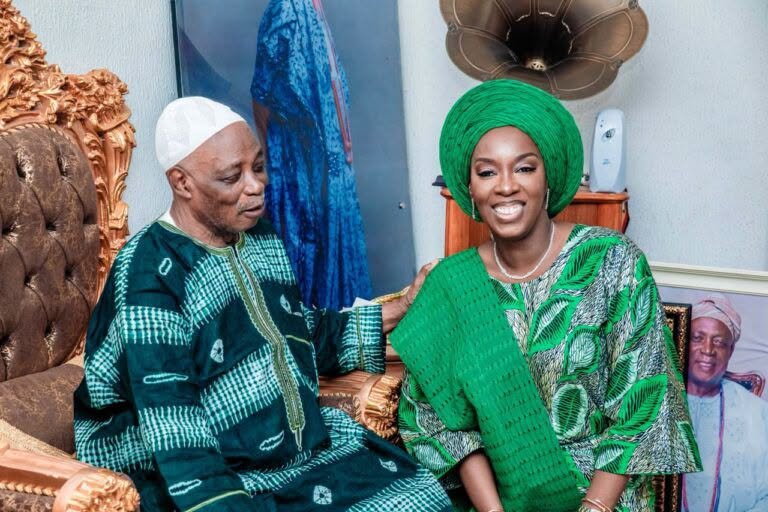
Recent incidents suggest that this is not merely a future possibility. In January 2026, former Oyo State First Lady Florence Ajimobi rejected a viral video allegedly showing her making political comments about the 2027 election. Her office said the video was AI-generated and used manipulated facial and voice features.
The danger goes beyond fake endorsements. Fabricated election results, false announcements, invented statements from candidates and misleading reports about events at polling units could all become part of the information battle.
Why Nigerians should be concerned before voting begins
One of the most important changes expected in 2027 is the speed at which misinformation can be produced and distributed.
During the 2023 election cycle, Nigerians already encountered manipulated political content, including a fake audio recording that was presented as a conversation involving prominent political figures. Fact-checkers subsequently identified the recording as a deepfake. Other fabricated videos and endorsements also circulated during the campaign period.
The technology has since improved.
A March 2026 report by TechCabal highlighted concerns that AI could influence the 2027 election even before voters reach polling units. Political campaigns can use algorithms and data to personalise messages, while synthetic media can make false claims appear increasingly convincing.
There is also a particularly Nigerian dimension to this problem. Political misinformation does not have to arrive in formal English. AI tools can increasingly generate and translate content into local languages, creating the possibility of fake voice notes or messages appearing to come from politicians, religious figures, traditional leaders or other trusted community voices.
That means fact-checking efforts will have to go beyond television, newspapers and English-language social media posts. Verification will also need to happen where many Nigerians actually receive information, including private messaging platforms and community networks.
Also Read: NDC accuses INEC of denying access code for candidates’ nomination
Back story: Nigeria’s election technology challenge is already evolving
Nigeria has spent years introducing technology into its electoral process, from voter registration systems to the Bimodal Voter Accreditation System and electronic transmission initiatives. The 2027 election will add another technological layer, this time involving the information Nigerians consume before, during and after voting.
The Independent National Electoral Commission has already begun preparations for the next general election. INEC announced in February 2026 that it would conduct a nationwide voter revalidation exercise to improve the integrity of the voters’ register, while its election preparations have continued alongside discussions around amendments to electoral laws.
At the same time, Nigerian journalists, civil society organisations and technology experts are increasingly warning about AI-generated misinformation. In May 2026, former House of Representatives Minority Leader Ndudi Elumelu warned that fabricated news, doctored images, videos and false data could threaten the integrity of the 2027 elections.
The reality is that AI itself is not the enemy of Nigerian democracy. Used responsibly, it could improve voter education and make political communication more accessible.
The real challenge is whether Nigeria can build enough awareness, verification capacity and accountability around the technology before election misinformation becomes impossible to control.
For voters, the lesson is simple but important: in 2027, seeing a video may no longer be enough to believe it, and hearing a familiar voice may no longer prove that the person actually said what you heard.
Nigeria’s next election may be decided at the polling unit, but the battle for what voters believe will begin much earlier, on their phones and across their screens.