
Nigeria and Qatar are strengthening cooperation in library services after the National Library of Nigeria and Qatar National Library moved towards deeper collaboration on digital knowledge, modern library technology and the preservation of cultural heritage.
The partnership is significant at a time when libraries are changing rapidly from traditional spaces filled mainly with printed books into technology-driven centres for learning, research and public access to information. For Nigeria, the relationship offers an opportunity to learn from Qatar’s experience in developing digital repositories, electronic resources, automated library systems and technology-enabled services.
The development also builds on a three-day knowledge exchange programme held in Doha from January 6 to 8, 2026, when a senior Nigerian delegation visited Qatar National Library. During the visit, Nigerian library professionals examined how technology is being used to improve access to information and manage collections.
Also Read: Brazil, Morocco, Canada, and Paraguay Storm Into 2026 World Cup Round of 16
What the Nigeria-Qatar Library Partnership Covers
The cooperation centres on areas that are increasingly important to the future of libraries, including digital transformation, electronic resources, digital repositories, smart library systems and automation.
During the earlier exchange, the Nigerian delegation toured Qatar National Library’s Preservation and Conservation Centre and discussed methods for protecting historical and cultural materials. The discussions also covered children’s library services, community engagement and modern approaches to managing information.
For Nigeria, this is more than a conversation about computers and library software. Digital library infrastructure can determine how easily students, researchers, teachers and members of the public find and use knowledge.
Qatar National Library has already developed a broad digital ecosystem around learning and information access. Its digital resources include academic databases, ebooks, journals and other materials, while its library and information studies resources demonstrate how technology can expand access beyond the physical library building.
The cooperation could therefore provide useful lessons for Nigeria as it works towards building stronger digital library services and improving access to knowledge across the country.
Why the Partnership Matters to Nigeria
The importance of the partnership becomes clearer when viewed against Nigeria’s growing need for reliable digital learning and research resources.
For many Nigerian students and researchers, access to up-to-date academic materials can still depend heavily on the quality of the library available to them. A modern digital library can reduce some of these limitations by allowing users to search catalogues, access electronic resources and consult information remotely.
The Qatar experience also shows how libraries can become active parts of the digital economy rather than remaining primarily repositories for printed materials. Qatar’s Digital Station Portal, for instance, provides access to learning materials covering areas such as artificial intelligence, cybersecurity, data, digital communication, digital marketing and technology management.
This kind of approach could be particularly valuable to Nigeria’s young population, where access to digital knowledge increasingly affects education, employment and entrepreneurship.
Nigeria also has an important cultural preservation responsibility. Historical documents, photographs, manuscripts and other records need to be preserved in formats that can survive changing technologies and remain accessible to future generations.
Qatar has demonstrated the potential of digital preservation through the Qatar Digital Library, which provides free access to a substantial collection of digitised cultural and historical materials. The International Federation of Library Associations and Institutions says the collection includes maps, manuscripts, photographs and sound recordings relating to the Gulf and wider region.
Also Read: Why AI Skills Are Becoming Essential Across Every Profession
Back Story
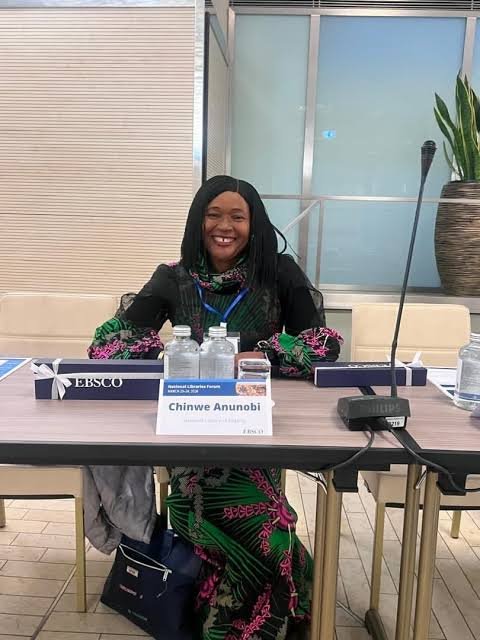
The latest development did not happen in isolation. In January 2026, Qatar National Library hosted a delegation from the National Library of Nigeria for a three-day programme focused on modern library services, digital transformation and heritage preservation. The Nigerian delegation, led by National Library of Nigeria Chief Executive Officer Prof. Chinwe Veronica Anunobi, visited several facilities and examined Qatar’s approach to technology, conservation and user services.
Qatar National Library Executive Director Tan Huism described the exchange as part of the institution’s commitment to international knowledge sharing and institutional learning. Anunobi, meanwhile, praised the library’s facilities, innovation and advanced circulation and book-handling technologies, while expressing interest in future collaboration.
The relationship also follows a broader Nigerian interest in using Qatar National Library as a reference point for the development of a modern National Library of Nigeria. In October 2025, First Lady Oluremi Tinubu visited the Qatar facility and described it as an inspiration for Nigeria’s vision of an inclusive, technology-driven national knowledge institution.
The emerging Nigeria-Qatar cooperation therefore represents a potentially important step in Nigeria’s digital knowledge journey. If translated into sustained training, technology adoption, digitisation projects and institutional collaboration, the partnership could help Nigerian libraries become more accessible, modern and responsive to the needs of students, researchers and the wider public.