Lagos State is making its boldest move yet to overhaul its public transportation grid. Under the Bus Industry Transition Programme (BITP), government officials signed a landmark agreement with transport unions to phase out the iconic yellow Danfo buses. The initiative aims to shift thousands of informal drivers into structured, franchise-based Quality Bus Corridors with cashless ticketing via Cowry cards.
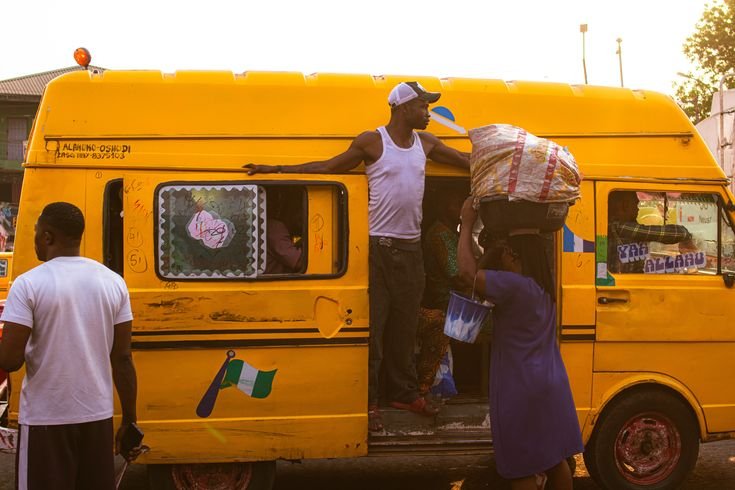
While the policy promises cleaner transit, transport experts warn that structural gaps could stall its success. Real progress requires addressing deep-rooted urban logistics issues beyond administrative contracts.
The Decades-Long Struggle Behind Lagos Transit Reforms
Attempting to reform Lagos transit is not a new effort. For over two decades, state authorities have sought to tame the city’s chaotic public transport. The introduction of the Bus Rapid Transit (BRT) network in 2008 and the First and Last Mile (FLM) buses offered partial relief. However, these systems struggled to meet the daily commuting needs of over 20 million residents.
Also Read Lagos Moves to Replace Danfo Buses with Structured Franchise Network
Informal operators filled this massive transport gap. Yellow Danfo buses became an essential lifeline for daily travel, despite their lack of regulation.
       Lagos Bus Reform Evolution
┌────────────────────────────────────────┐
│ 2008: BRT Network Launch              │
│ 2021: First and Last Mile (FLM) Scheme │
│ 2024: Lekki-Epe Vehicle Restrictions   │
│ 2026: BITP Union MoU & Franchising     │
└────────────────────────────────────────┘
The state tested stricter corridor enforcement along the Lekki-Epe expressway, gradually restricting informal minibuses. According to an official report by Nairametrics, the broader plan now targets eight major Quality Bus Corridors, starting with four key routes including Iju Ishaga–Abule Egba and Ojuelegba–Lawanson–Cele.
Expert Warnings and Operational Reality
Despite administrative progress, urban planners highlight critical operational bottlenecks. Transitioning thousands of independent drivers into regulated cooperatives requires significant capital, modern vehicle fleets, and reliable digital infrastructure.
“Formalisation should not be construed as strangulation,” stated Mrs. Abimbola Akinajo, Managing Director of the Lagos Metropolitan Area Transport Authority (LAMATA).
However, industry analysts stress that without adequate fleet financing and accessible fare-clearing systems, informal drivers face severe economic disruption. Commuters also risk higher daily transit costs if the transition lacks sufficient bus volume.
Balancing Urban Modernization and Economic Livelihoods
The core challenge lies in balancing modern infrastructure with social equity. Thousands of drivers, conductors, and local union workers depend entirely on informal transport for their daily income.
Lagos State Ministry of Transportation officials, led by Permanent Secretary Olawale Musa, emphasize that the union agreement protects existing livelihoods. Yet, urban transit history shows that regulation without accessible financing often drives informal operators into unmonitored fringe routes.
To achieve long-term success, Lagos must pair strict route enforcement with transparent bus acquisition loans and consistent cashless infrastructure across every corridor.