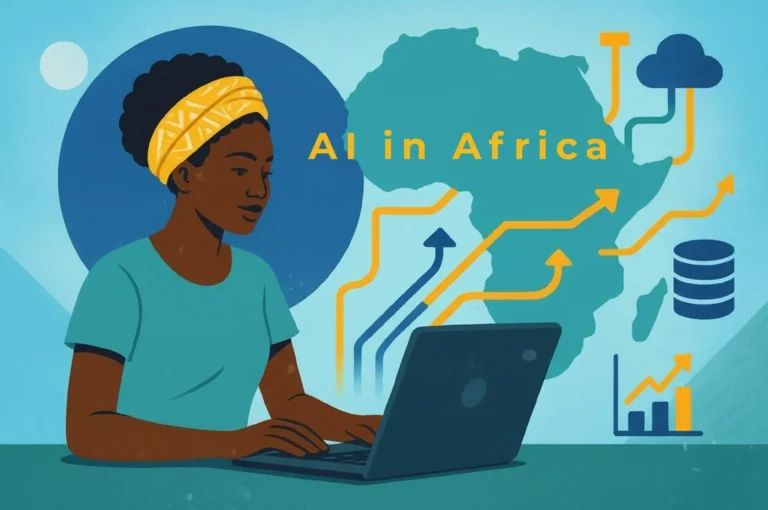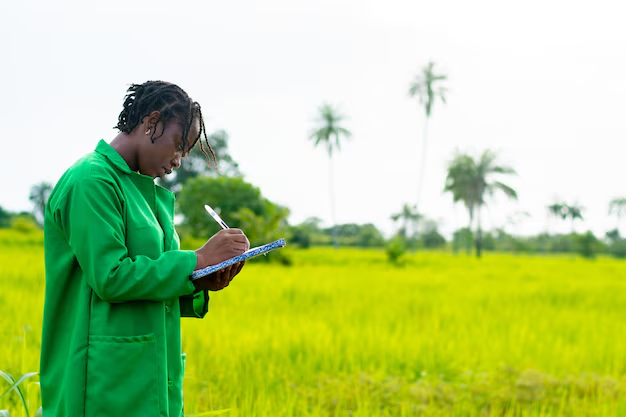

First City Monument Bank (FCMB) is set to deepen its use of technology in agriculture with plans to support artificial intelligence-powered farm advisory services that can provide real-time information to farmers in major Nigerian languages.
The initiative is part of the bank’s expanding agritech strategy and is aimed at improving access to agricultural knowledge, financial services and other forms of support for smallholder farmers.
According to FCMB’s Agritech Alumni Impact Report covering 2018 to 2026, the bank plans to continue supporting agricultural technology companies developing solutions across different parts of the farming value chain. Some of the platforms supported under the initiative will use artificial intelligence to provide farmers with real-time advisory services in Hausa, Yoruba and Igbo.
For farmers, particularly those operating in rural communities, the proposed approach could make agricultural information easier to understand and use. Instead of relying entirely on technical information delivered in English, farmers could potentially receive advice in languages they use every day.
The move comes at a time when Nigeria is looking for new ways to improve agricultural productivity and strengthen food security while making financial services more accessible to people working across the agricultural sector.

Also Read: ARCN Seeks Bigger Investment and Innovation to Strengthen Africa’s Food System
How FCMB’s AI Farm Advisory Plan Could Support Farmers
FCMB’s proposed AI-powered agricultural services are expected to go beyond providing basic farming tips. The bank’s wider strategy includes supporting technology that can use weather information, soil intelligence and digital channels such as USSD to improve agricultural services.
The use of artificial intelligence could allow farmers to receive more timely information that is relevant to their farming activities. Depending on how individual platforms are eventually deployed, such technology could assist with issues such as weather conditions, crop management, pest and disease risks and other farm decisions.
The bank is also looking at the connection between agricultural information and access to finance. Better data about farming activities could potentially help financial institutions understand farmers’ needs and risks more effectively.
FCMB said agriculture accounts for about 24 per cent of Nigeria’s Gross Domestic Product, while only about six per cent of farmers across Africa have access to formal credit.
This financing gap remains a major challenge for smallholder farmers who need money for seeds, fertilisers, equipment, labour and other production costs.
The inclusion of USSD-based solutions could also be significant. Many farmers cannot depend on expensive smartphones, high-speed internet or constant data connectivity. Services that can work through simpler digital channels could therefore reach a wider section of the farming population.
AI, Local Languages and the Future of Nigerian Agriculture
The language component of FCMB’s plan may prove to be one of its most important features.
Nigeria has a large and diverse agricultural population, and communication can influence how effectively farmers use new technology. An agricultural platform may have sophisticated features, but its usefulness will be limited if its users struggle to understand the information it provides.
Delivering AI-powered advice in Hausa, Yoruba and Igbo could help reduce some of that barrier. It could also make digital agriculture feel less like a technology designed for urban users and more like a practical tool created around the realities of Nigerian farmers.
However, the technology will need to be carefully developed. Agricultural advice must reflect local weather patterns, soil conditions, crops and farming practices. AI systems also need reliable data to avoid giving farmers inaccurate or potentially harmful recommendations.
FCMB’s plan therefore represents an opportunity, but its real impact will depend on implementation, accessibility and the accuracy of the information delivered to farmers.
The bank’s broader strategy also includes climate-resilient financing, insurance and animal healthcare solutions, suggesting that it is looking at agriculture as an interconnected ecosystem rather than treating AI as a standalone product.
Back Story: FCMB’s Growing Investment in Agritech
FCMB’s latest AI initiative builds on its longer involvement in Nigeria’s agricultural sector. The bank says it has worked with farmers, producers and exporters since 2012, providing financing and other forms of support to businesses operating in agriculture and non-oil exports.
Its Agritech Alumni programme has also focused on supporting technology companies developing solutions for agricultural challenges. The latest strategy indicates that FCMB intends to help such businesses grow while encouraging the use of technology to tackle some of the longstanding problems facing farmers.
The bank is also exploring opportunities for Nigerian agritech companies to expand into other African markets, including Ghana, Uganda, Côte d’Ivoire, Ethiopia and Kenya.
For Nigeria, the potential importance of FCMB’s approach lies in bringing several issues together: agricultural information, digital technology, local languages and access to finance.
If successfully implemented, AI-powered farm advisory services could give farmers faster access to useful information while helping financial institutions develop a better understanding of agricultural businesses.
For now, FCMB’s announcement remains a plan rather than a fully deployed nationwide service. But as artificial intelligence continues to move into different parts of Nigeria’s economy, agriculture could become one of the areas where the technology delivers some of its most practical benefits.
Also Read: Nigerian Robotics Student Builds 5km Precision Farming System at Ghanaian University