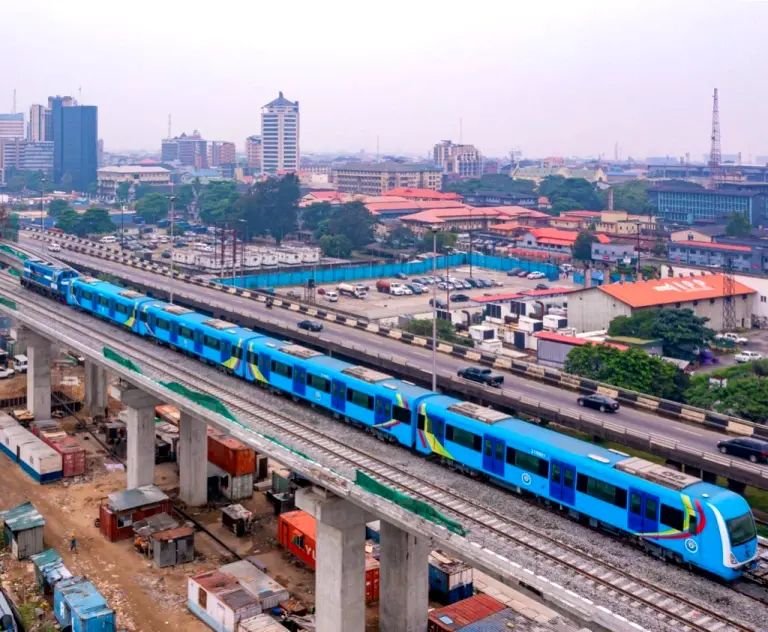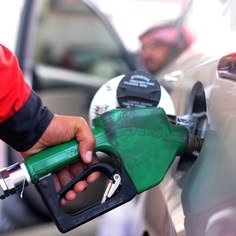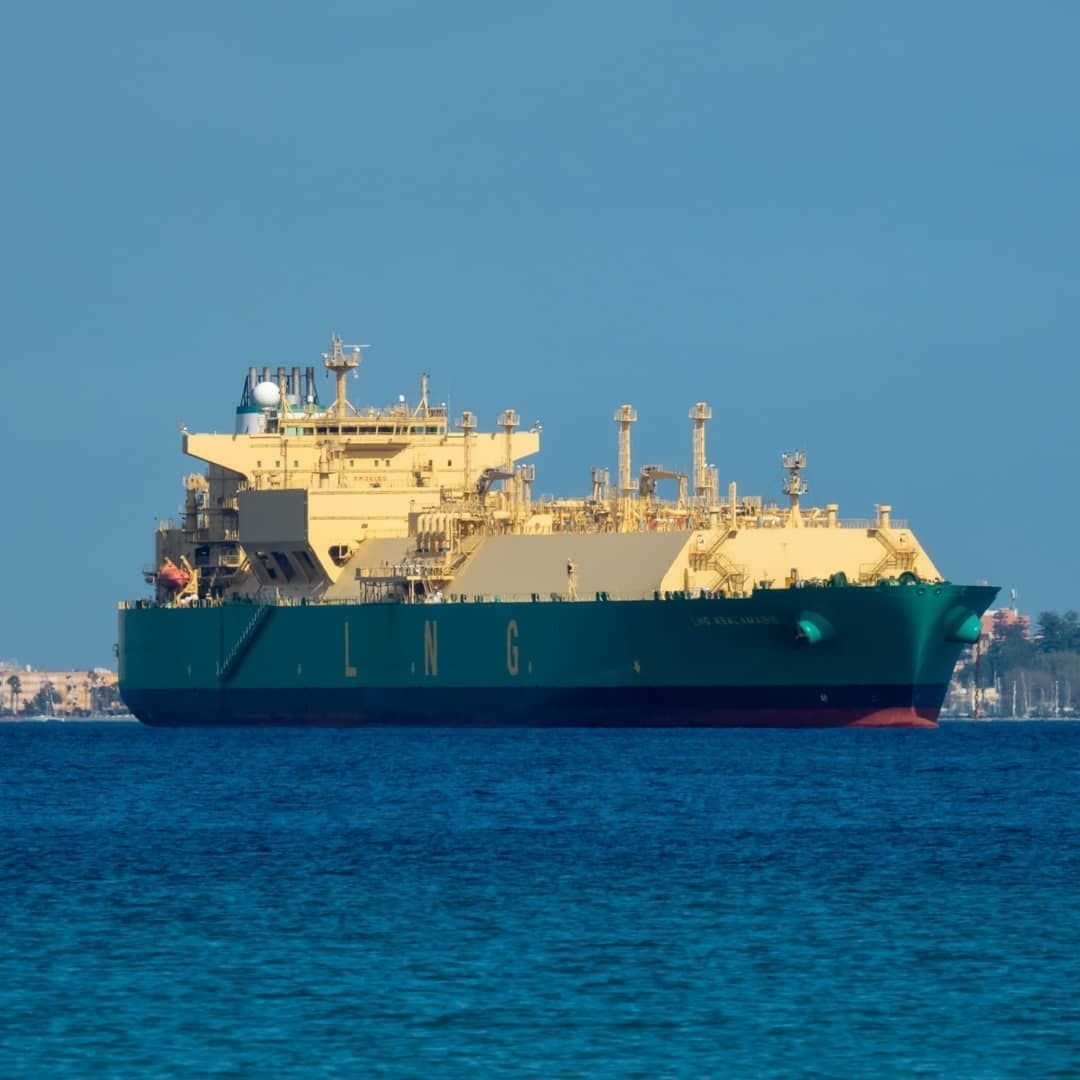

President Bola Tinubu has challenged the leadership of Nigeria Liquefied Natural Gas (NLNG) Limited to eliminate domestic gas flaring and turn wasted energy resources into direct economic benefits for local households and businesses.
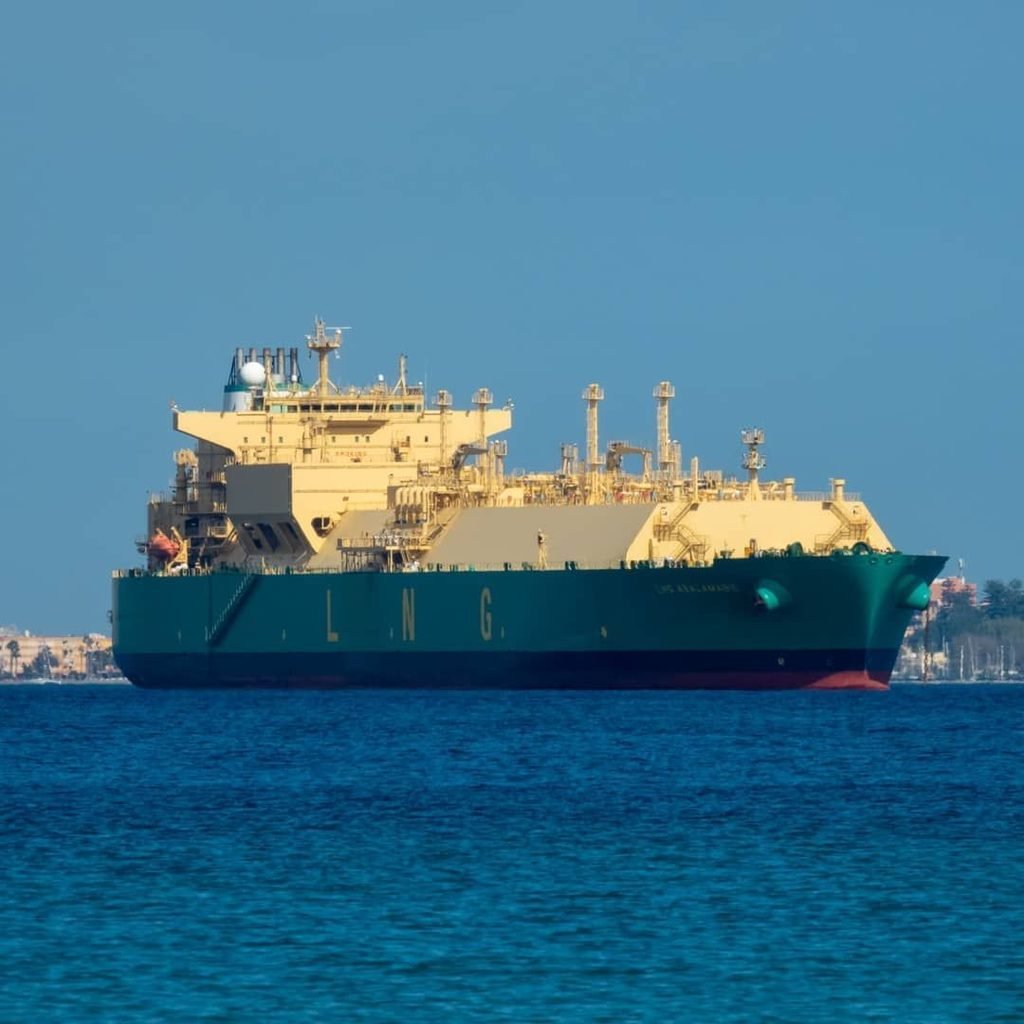
Speaking during an audience with the NLNG board at the State House in Abuja, the President emphasized that underground wealth has little real-world value unless brought to the surface to lower living costs, drive domestic industry, and support national energy security.
Balancing Export Revenues with Domestic Energy Needs
The call to action comes as energy regulators highlight the massive scale of unutilized natural gas across oilfields, urging operators to redirect flared volumes toward domestic power and cooking gas markets.
Key priorities outlined during the executive meeting include:
- Pivoting Away from Waste: Redirecting routine field flaring into processed Liquefied Petroleum Gas (LPG) and compressed natural gas to protect the local environment while boosting energy supply.
- Expanding Domestic LPG Allocations: NLNG reaffirmed that 100% of its produced LPG (cooking gas) is dedicated to the domestic market, helping stabilize retail prices across major cities.
- Scaling Operational Capacity: The company confirmed plans to operationalize its Train 7 expansion project, which will boost processing capacity by 35% and expand industrial opportunities nationwide.
According to an official policy update by Nairametrics in 2026, President Tinubu urged NLNG management to establish localized pricing mechanisms that make clean cooking gas and transport energy affordable for ordinary citizens.
The Economic and Environmental Cost of Gas Flaring
Allowing associated natural gas to burn off at oil production sites represents both an environmental hazard and a substantial financial loss for the national economy.
Also read NLNG 2026 Digital Journalism Cohort Launch in Abuja
Environmental tracking reports reveal that burning off trillions of cubic feet of gas deprives the national grid of thousands of megawatt-hours of electricity while contributing millions of tonnes of carbon emissions into the atmosphere.
According to a environmental data report by the National Oil Spill Detection and Remediation Agency (NOSDRA) in 2026, Nigeria lost an estimated $1.1 billion to gas flaring in 2025 as operators flared over 323 billion standard cubic feet (SCF) of gas nationwide, underscoring the urgency of enforcement and infrastructure redirection.
By offering targeted operational incentives to joint venture partners, federal authorities aim to fast-track gas gathering systems that capture associated gas directly at wellheads.
The Backstory: Nigeria’s Transition from Offshore Exporter to Domestic Powerhouse
To understand President Tinubu’s mandate to NLNG, it helps to review how the company’s core mission has evolved over the past three decades.
Established in 1989, NLNG was originally structured as an export-driven venture designed to monetization offshore gas reserves, earn foreign exchange, and reduce routine gas flaring. Over its operational history, the joint venture generated over $150 billion in revenues, delivering over $47 billion in dividends to the Federal Government.
However, as domestic energy demand grew and foreign exchange volatility raised the cost of imported refined fuels, reliance on pure export models created severe domestic shortages. In response, federal directives in recent years mandated that NLNG prioritize domestic cooking gas supplies before fulfilling export commitments. Today, as the country pushes for broader gas utilization across power and transport sectors, NLNG stands at the center of Nigeria’s strategy to transform wasted field emissions into affordable domestic energy.