
Artificial Intelligence is changing how people search for information, learn new things and make decisions, but a Lagos State University professor says the most important conversation may be about what the technology is doing to the human mind.
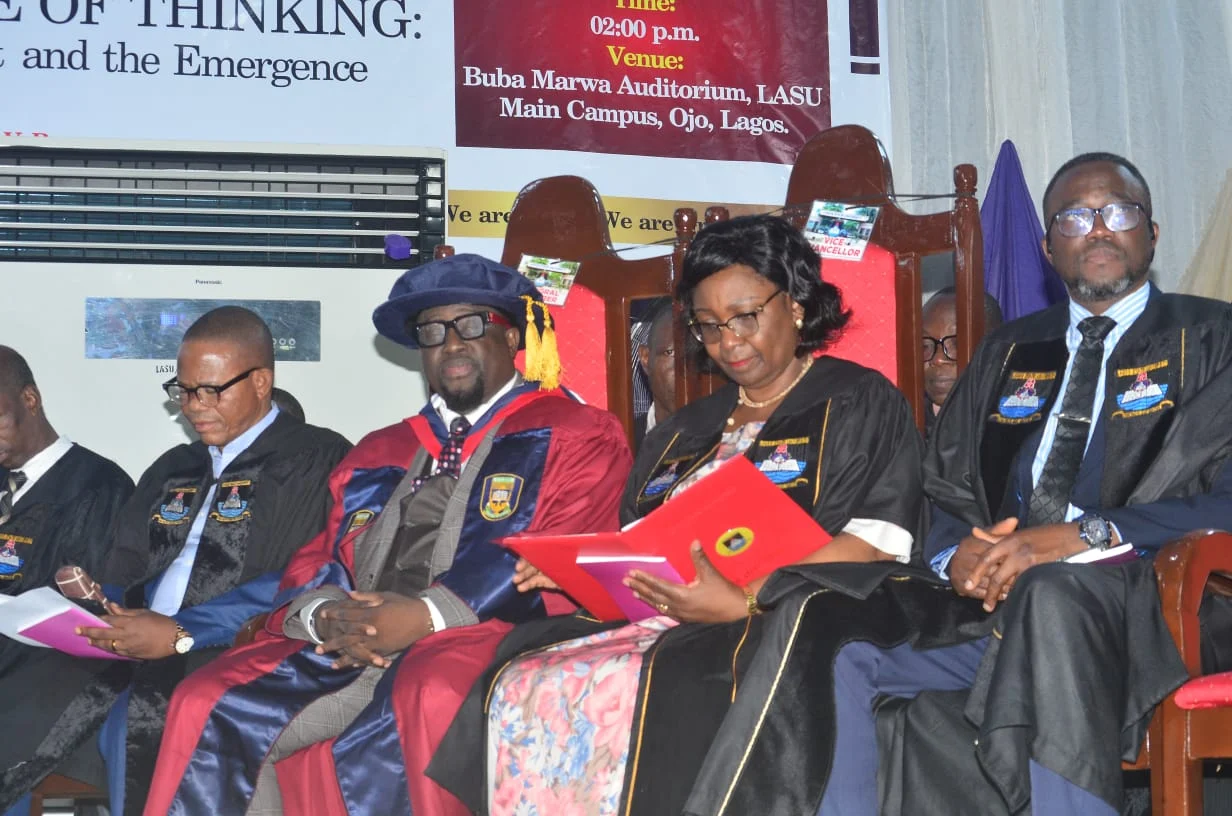
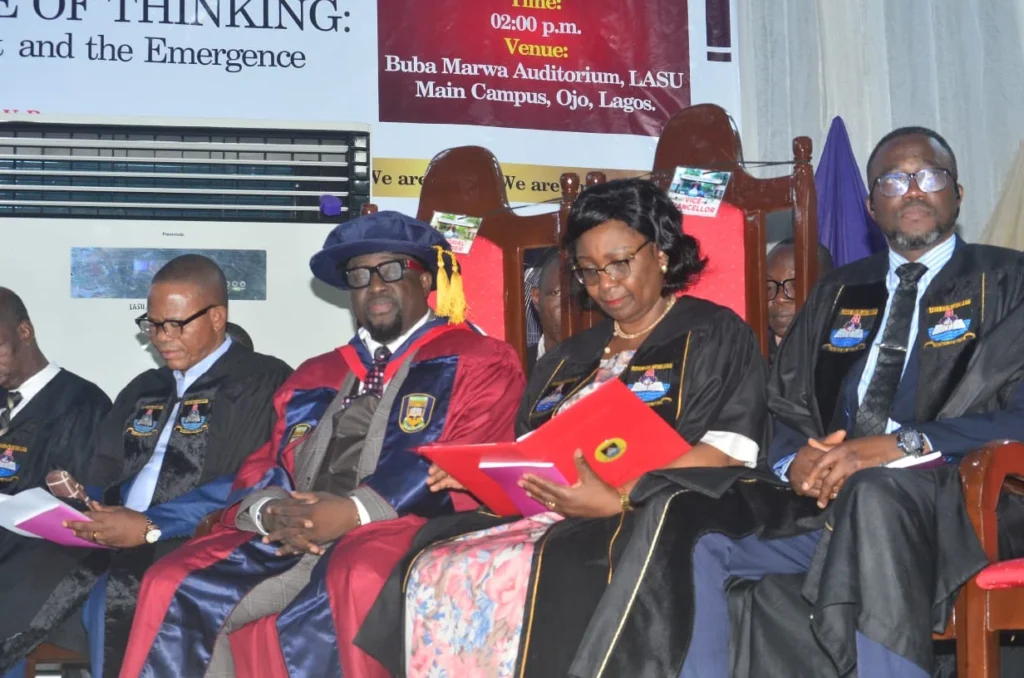
Professor Oluwatoyin Ayokunle Enikuomehin, Professor of Artificial Intelligence and Cognitive Computing at Lagos State University, raised the concern while delivering the university’s 127th inaugural lecture at its Ojo campus in Lagos.
His lecture, titled Thinking Machines and the Future of Thinking: Cyberphysicalism, the Transformation of Human Thought and the Emergence of an Artificial Intelligence Driven Algorithmic Society, examined the increasingly close relationship between human beings and intelligent machines.
According to Punch, Enikuomehin argued that the central question should no longer be whether machines are intelligent. Instead, society needs to examine how AI is changing the way people think, remember and make decisions.
This is becoming a particularly important issue as Nigerians increasingly use generative AI tools for education, research, business, content creation and everyday problem-solving.
The professor’s position is not that humans should reject AI. Rather, he believes people should learn to work with intelligent systems while retaining the ability to think independently and make responsible decisions.
AI Is Becoming a Partner in Human Thinking
Enikuomehin’s argument goes beyond the familiar discussion about AI replacing jobs. He presented artificial intelligence as a technology that could increasingly become a partner in human thinking.
As Independent reported, the professor explained that AI can help reduce uncertainty and support decision-making in areas such as healthcare, education, agriculture and governance.
That potential creates opportunities for Nigeria. AI can help people process large amounts of information, identify patterns and perform certain tasks faster. However, the benefits also come with risks when people begin to accept machine-generated answers without questioning them.
Enikuomehin therefore urged people to develop critical thinking and ethical discernment. He also stressed the importance of protecting digital identity as technology becomes increasingly involved in how people manage knowledge and personal information.
Vanguard reported that the professor’s central message was that technology should amplify humanity rather than diminish it.
For students, professionals and businesses already using AI daily, the message is worth considering. AI may make certain tasks easier, but convenience should not become a reason to stop learning, questioning or developing one’s own ideas.
Professor Calls for National AI Act and Stronger Governance
One of the strongest recommendations from the lecture was for Nigeria to establish a comprehensive legal framework for artificial intelligence.
Enikuomehin called for the enactment of a National AI Act and the establishment of an independent National AI Research and Governance Council.
According to The Guardian, the proposed council would help evaluate the social impact of AI systems, advise government on policy and represent Nigeria in international discussions on AI governance.
The professor also proposed a seven-layer AI governance framework, reflecting the fact that regulating artificial intelligence involves more than controlling the algorithms themselves.
He called for stronger digital infrastructure, universal broadband connectivity, improved digital literacy and high-quality African datasets. These, he argued, would help Nigeria participate meaningfully in the global AI ecosystem instead of simply adopting technologies developed elsewhere.
This African dimension is important. AI systems learn from data, and the quality and diversity of that data can influence how effectively they serve different populations.
If African countries remain mainly consumers of foreign AI technologies, there is a risk that local languages, cultures, economic realities and social challenges will not receive adequate representation.
Enikuomehin therefore wants Africa to become an active participant in the development of artificial intelligence.
Back Story: Why the LASU AI Lecture Matters for Nigeria
The LASU lecture comes at a time when artificial intelligence is moving rapidly from a specialist technology into everyday Nigerian life.
Students are using AI for research and assignments. Businesses are experimenting with AI-powered customer service and marketing. Professionals are using it to analyse information and improve productivity, while governments are exploring how emerging technologies can support public services.
LASU had announced ahead of the event that Enikuomehin’s lecture would examine the impact of AI on human thought, decision-making and society. The university’s official event page confirms that the lecture was scheduled for August 25, 2026.
The professor’s recommendations suggest that Nigeria’s AI conversation needs to move beyond adoption. The country also needs to consider governance, education, infrastructure, research and the protection of human judgment.
He called for universities to establish dedicated centres for AI and emerging technologies, make AI literacy an important graduate competency and develop African datasets as institutional assets. He also highlighted the need for investment in quantum readiness.
Ultimately, the debate is not simply about whether AI will become more powerful. It is about whether human beings will remain thoughtful and responsible users of that power.
For Nigeria, that means embracing artificial intelligence while ensuring that technology remains a tool for expanding human capability, not a replacement for independent thinking.