
Nigeria’s healthcare system is facing a workforce problem that technology alone cannot solve, but artificial intelligence and automation could help make the pressure more manageable.
Hospitals across the country continue to deal with shortages of skilled healthcare workers as nurses and other professionals seek better opportunities abroad. The situation has created concerns about the ability of hospitals to maintain quality patient care, particularly when the workers who remain are already dealing with heavy workloads.
The latest State of the Health Workforce in Africa 2026 report by the World Health Organisation shows how serious the challenge has become. More than half of the 6,430 health workers surveyed in Nigeria, 59.9 percent, said they intended to migrate. Canada, Saudi Arabia, the United Kingdom and the United States were among the major destinations identified.
For Nigerian hospitals, this creates a difficult cycle. As experienced nurses leave, those who remain have to handle more patients and responsibilities. That can increase fatigue and dissatisfaction, potentially encouraging even more workers to consider leaving.
This is where AI and automation could become useful, not as replacements for nurses, but as tools that can reduce some of the pressure surrounding their work.
Also Read: Governments Increase STEM Investment to Prepare Workforce for Future Skills Demand
How AI Could Make Nursing Work Less Burdensome
Nursing involves much more than attending to patients. Healthcare workers also have to document information, monitor patients, manage schedules, retrieve records and complete other administrative duties.
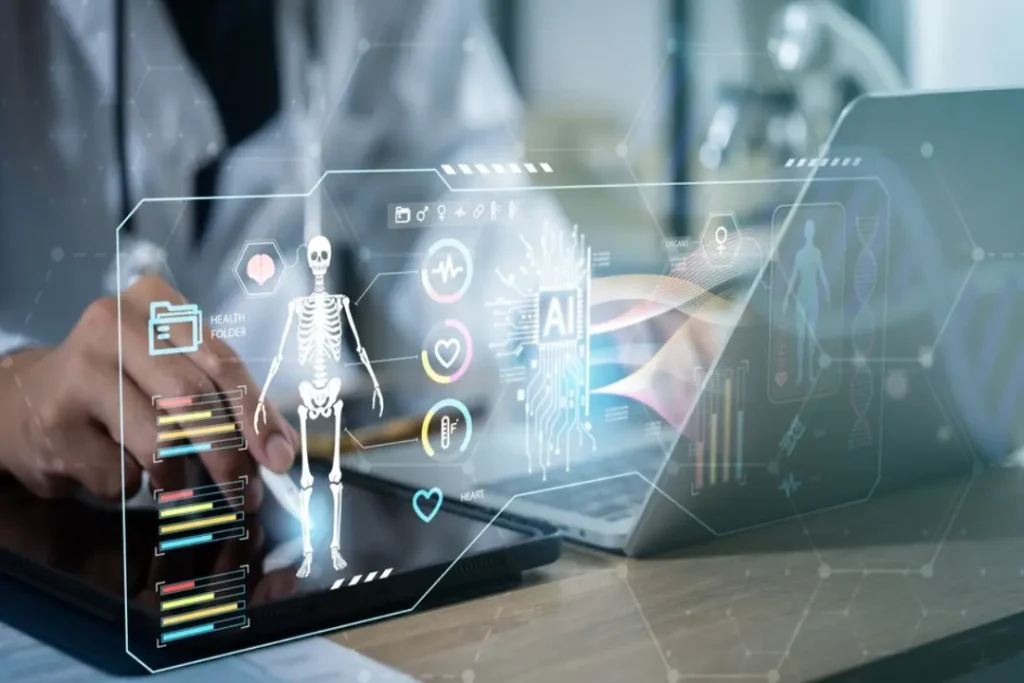
Some of these processes can be supported by digital technologies. AI systems could assist with documentation, identify changes in patient data, support scheduling and help healthcare professionals access relevant information more quickly.
For a hospital operating with limited staff, even small improvements in workflow can make a difference.
AI could also support clinical decision-making by identifying patterns in patient information and alerting healthcare workers when something requires attention. However, these systems should remain support tools, with qualified professionals responsible for final clinical decisions.
This is particularly important in Nigeria, where research has already highlighted both interest in AI and gaps in AI knowledge among nursing students. A study published on artificial intelligence in Nigerian nursing education found that students showed willingness to adopt AI, but identified important knowledge gaps that could affect effective implementation.
The opportunity, therefore, is not simply to introduce AI into hospitals. Nurses and other healthcare professionals would also need appropriate training to understand how these systems work, when to trust their recommendations and when human judgement should take priority.
Nigeria Cannot Use AI as a Substitute for Better Working Conditions
There is a danger in presenting automation as the answer to Nigeria’s nursing shortage.
The reasons healthcare professionals leave the country are largely connected to conditions that technology cannot fix. Better salaries, improved working environments, career development and access to adequate equipment remain important factors in decisions about whether to stay or migrate.
Research on Nigeria’s health sector has linked the shortage of doctors and nurses to the continuing movement of professionals abroad. A recent study published through the National Library of Medicine described the country’s healthcare brain drain as a major challenge, with shortages contributing to longer journeys and delays for patients seeking care.
Earlier reporting has also documented the scale of Nigeria’s nursing migration. The National Association of Nigeria Nurses and Midwives previously reported that more than 75,000 nurses had left the country since 2017, while shortages have placed significant pressure on the nurses who remain.
This makes the role of AI clearer. Its purpose should be to improve the working environment, not disguise its weaknesses.
If an automated system saves nurses hours of repetitive administrative work, that could give them more time for patients. If digital monitoring helps identify deteriorating patients earlier, it could support faster intervention. If better scheduling systems help hospitals deploy available staff more efficiently, they could reduce unnecessary pressure.
But none of these measures will compensate for poor pay, inadequate staffing or unsafe working conditions.
Back Story: Africa’s Health Workforce Crisis Is Getting Harder to Ignore
Nigeria’s challenge is part of a wider African healthcare workforce crisis.
The WHO’s 2026 report shows that Africa continues to face major gaps between the number of health workers available and the number required to meet healthcare needs. The report also highlights migration as an important factor affecting countries trying to retain trained professionals.
Nigeria is particularly exposed because its large population creates enormous demand for healthcare services. When trained professionals leave, replacing their experience is not as simple as increasing the number of students entering nursing schools.
The country has also introduced policies aimed at addressing health workforce migration and improving retention. But the continued intention to migrate among a large share of surveyed Nigerian health workers shows that retaining professionals remains a significant challenge.
At the same time, AI is developing rapidly enough to create new possibilities for healthcare delivery. Recent research involving Nigerian primary healthcare scenarios has shown why caution is necessary. An evaluation of large language models for clinical triage in Nigerian primary care found significant differences in how AI systems handled patient cases, including potentially serious under-triage problems.
That is a reminder that healthcare AI must be tested in Nigerian conditions rather than simply imported from systems developed for other countries.
Nigeria Needs AI That Supports Nurses, Not AI That Replaces Them
The strongest case for AI in Nigeria’s healthcare system is therefore not about replacing nurses. It is about helping the available workforce work more effectively.
Hospitals could prioritise practical applications such as automated documentation, appointment management, patient monitoring, staff scheduling, medical information retrieval and administrative support. These are areas where technology could potentially reduce repetitive work while leaving clinical responsibility with trained professionals.
There is also an opportunity for AI to improve continuing education. Nurses could use properly designed digital platforms to access training materials, clinical guidance and learning resources without always having to leave their workplace.
But implementation needs safeguards. Patient data must be protected, AI systems must be evaluated for accuracy and bias, and healthcare professionals must retain meaningful control over important decisions. Recent research on autonomous AI systems in sub-Saharan Africa has warned that deployment is advancing faster than governance in some settings, making human oversight and patient awareness particularly important.
For Nigeria, the bigger opportunity is to combine technology with policies that make healthcare careers more attractive.
AI can reduce unnecessary workload. Automation can improve efficiency. Digital systems can help hospitals make better use of limited resources. But nurses are still the people patients need beside their beds.
If Nigeria wants to retain more nurses, it must give them both the tools to work better and the reasons to remain. Technology can help with the first part. Better pay, working conditions, professional development and effective workforce planning will determine the second.
Also Read: NARD laments over severe decline in number of resident doctors in Nigeria