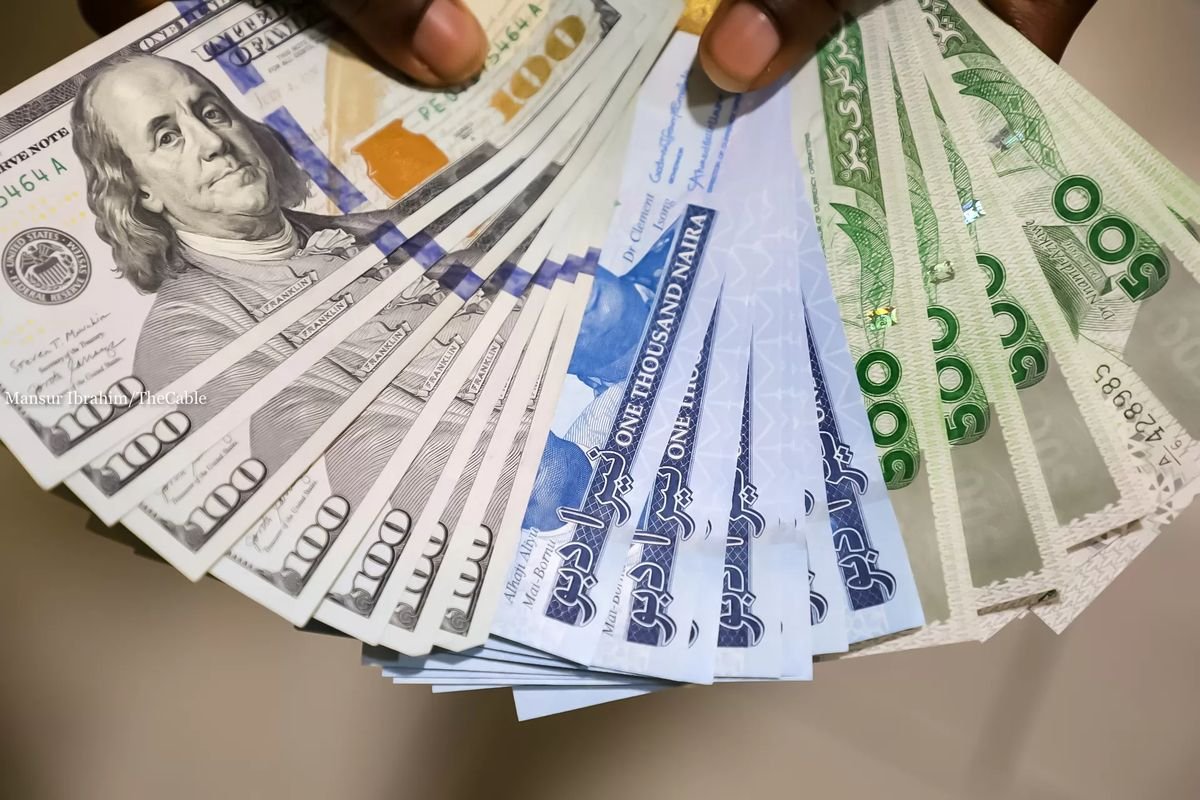

The latest updates regarding Nigerian foreign exchange market stability show the naira holding firm against the US dollar in official trading sessions. According to operational market updates, the local currency stabilized around N1,320 per dollar despite a sharp drop in overall trading volume.
Foreign exchange transactions within the official window dipped to N107.07 million, marking a five-month liquidity low. Nevertheless, the currency maintained its baseline strength, supported by sustained external inflows and strong foreign reserve accumulation.
Backstory: Exchange Rate Reforms and Reserve Accumulation
To understand this market resilience, one must look back at structural policy adjustments initiated by monetary authorities over the past two years. Previously, extreme currency volatility and severe liquidity backlogs created uncertainty across corporate supply chains. Consequently, central bank leadership introduced unified trading windows and market-reflective pricing mechanisms to restore investor trust.
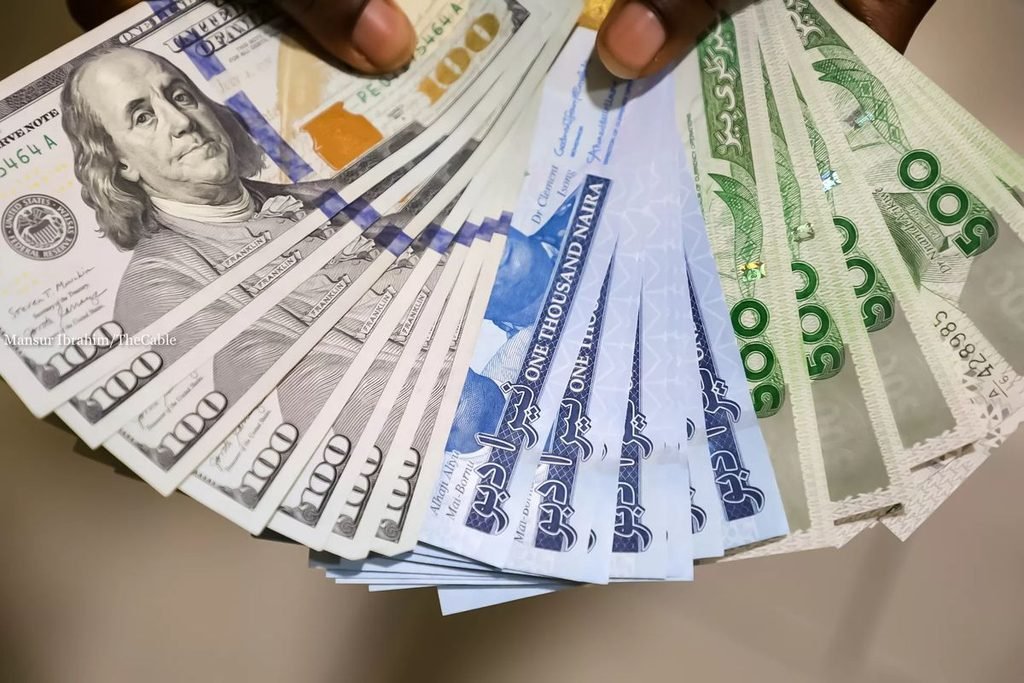
Under the guidance of Central Bank Governor Olayemi Cardoso, these policy measures helped rebuild foreign investor confidence across domestic capital markets. Furthermore, recent data published by financial analyst Olalekan Adigun indicates that national foreign reserves recently crossed $54.08 billion, reaching their highest level in 18 years.
- May 2024: Monetary policy committee introduces unified foreign exchange rate structures to enhance transparency.
- August 2026: Foreign exchange reserves break multi-year records, bolstering systemic market liquidity buffers.
- September 4, 2026: Weekly trading activity closes with the naira gaining N13 over five consecutive trading sessions.
- September 7, 2026: Official market daily turnover moderates to N107.07 million while spot rates remain steady near N1,320.
Market Liquidity Shifts and Price Action
Despite lower daily turnover, price movement remained contained within a narrow trading range. Daily spot rates hovered between N1,318.50 and N1,324.50 per dollar throughout the session. Furthermore, market analysts note that reduced trading volume reflects temporary liquidity adjustments rather than fundamental currency weakness.
Also read How to Verify Land Ownership in Abuja:
Additionally, rating agency Moody’s recently upgraded Nigeria’s sovereign outlook from stable to positive. This upgrade highlights improved external balances, stronger fiscal discipline, and sustained foreign portfolio participation across domestic markets.
Future Outlook for Currency Traders and Corporate Buyers
Looking ahead, financial analysts expect official exchange rates to trade within a predictable corridor between N1,300 and N1,350 per dollar. Sustained reserve expansion provides monetary authorities with adequate leverage to absorb external economic shocks.
Also Read Naira Reaches N1,834 as British Pound Drops Against Dollar
Ultimately, maintaining transparent trading mechanisms will remain essential for foreign direct investment. As domestic market channels continue to mature, steady exchange rates will help businesses plan long-term capital investments with greater confidence.