Public hesitation surrounding CNG cylinder safety in Nigeria continues to delay the widespread adoption of compressed natural gas across the country. According to official statements from the Presidential Initiative on Compressed Natural Gas and Electric Vehicles, fear of potential explosions remains a core barrier.
Also read Governors Back CNG Conversion Programme to Cut Transport Costs, Ease Hardship
During a recent meeting in Abuja, project executives addressed these persistent misconceptions. Although compressed natural gas offers a significantly cheaper alternative to petrol, safety myths continue to slow consumer transition. Consequently, federal authorities are stepping up public awareness campaigns to rebuild motorist confidence.
Backstory: Fuel Subsidies and the Rise of Alternative Energy
To understand this transition, one must look back at the economic shifts following the removal of petrol subsidies in 2023. For decades, subsidized fuel kept transportation costs artificially low for average citizens. However, rising fiscal pressures forced the federal government to eliminate those subsidies, causing petrol prices to spike dramatically.
In response, the presidency established a national initiative to promote compressed natural gas as a cleaner, cheaper alternative. Furthermore, leadership was entrusted to Ismaeel Ahmed, a former presidential aide who now serves as Chairman and Chief Executive Officer of the agency. Under his guidance, the initiative has worked to build a national network of conversion centers and refueling stations.
- Late 2023: The federal government launches the Presidential CNG Initiative to soften the economic impact of petrol subsidy removal.
- Early 2024: Private sector investors pledge over $2 billion toward constructing refueling stations and gas processing infrastructure.
- Mid-2026: Commercial transport operators report significant weekly cost reductions after converting fleet vehicles to gas.
- September 2026: Energy officials confirm that misconceptions regarding cylinder explosions remain the primary obstacle to national adoption.
Cost Differences and Transport Household Budgets
Addressing safety fears is vital because the potential cost savings for motorists are substantial. According to official reports from the News Agency of Nigeria, transportation accounts for 15 to 25 percent of household spending in major urban centers.
Furthermore, recent real-world case studies demonstrate how vehicle conversions dramatically reduce daily operating expenses. For example, a commercial driver traveling between Kano and Karai previously spent N300,000 weekly on petrol. After investing N1.5 million in a gas conversion kit, his weekly fuel expenses dropped to N22,000. Additionally, technical experts interviewed by Caleb Obiowo noted that a 65kg gas cylinder costs about N5,200 to N6,000 to cover 100 kilometers, compared to over N19,500 for petrol over the same distance.
Engineering Design and Real-World Safety Features
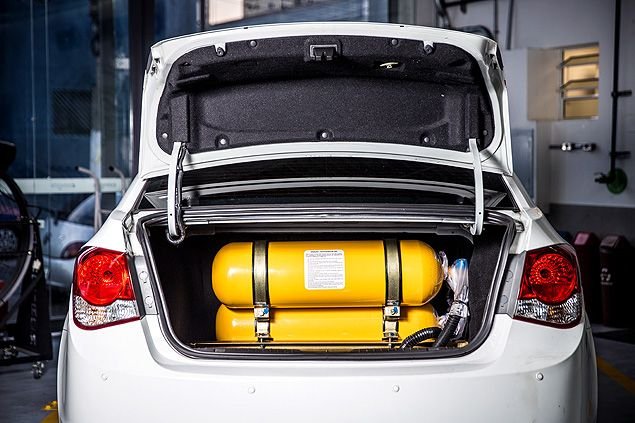
Addressing public anxiety requires examining how these gas storage systems are built. Unlike standard domestic cooking gas cylinders, compressed natural gas tanks are engineered using high-strength seamless steel or composite materials. Consequently, they are built to withstand severe physical impacts and extreme internal pressure levels.
Furthermore, certified installation technicians emphasize that modern gas kits include automatic shut-off valves and pressure relief sensors. Because natural gas is lighter than air, any accidental leak disperses quickly into the atmosphere rather than pooling around the vehicle. Ultimately, ensuring proper installation standards and regular safety inspections will help Nigerians embrace cleaner, more affordable transportation options.