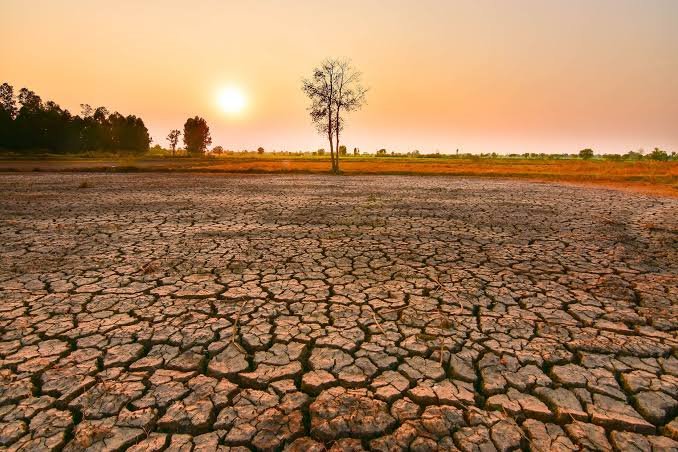

As temperatures rise across parts of the world, a developing climate phenomenon is raising concerns about the potential human cost of extreme heat. A report by the University of Chicago-based Climate Impact Lab estimates that Nigeria could record 31,400 additional heat-related deaths between September 2026 and February 2027 as an unusually strong El Niño develops.
The projection forms part of a wider warning that the phenomenon could contribute to approximately 451,000 additional heat-related deaths worldwide between November 2026 and February 2027. Nigeria accounts for nearly half of the 66,800 additional deaths projected across the Sahel region, making it one of the countries facing the greatest potential risk.
What is El Niño, and why is it raising alarm?
El Niño is a naturally occurring climate phenomenon characterised by warmer-than-average sea surface temperatures in the central and eastern tropical Pacific Ocean. It develops when changes in ocean temperatures and atmospheric circulation influence weather patterns across different parts of the world.
These changes can affect temperatures, rainfall and the likelihood of certain extreme weather events. Some regions may experience hotter conditions and drought, while others may face unusually heavy rainfall and flooding.
The current El Niño is expected to become particularly strong and could continue influencing global weather patterns into 2027. The World Meteorological Organization has warned of above-normal temperatures in many parts of the world, while researchers say the combination of El Niño and human-induced climate change could intensify the health consequences of extreme heat.
Why Nigeria faces a significant heat risk
Nigeria’s vulnerability to extreme heat is closely linked to its climate, living conditions and access to essential services.
Many Nigerians work outdoors or in poorly ventilated environments, including construction sites, markets, farms, workshops and roadside businesses. For these workers, avoiding the heat may not be as simple as staying indoors because their livelihoods depend on remaining active throughout the day.
Access to electricity and cooling also remains a challenge for many households. Without reliable electricity, air conditioning and even electric fans may be unavailable or unaffordable. Crowded homes, metal roofing and limited tree cover can further increase indoor temperatures, particularly in densely populated urban areas.
The risks extend beyond physical discomfort. Prolonged exposure to high temperatures can cause dehydration, heat exhaustion and heatstroke. It can also place additional strain on the heart and kidneys and worsen existing conditions, including cardiovascular disease, diabetes and respiratory illnesses.
How you can protect yourself from extreme heat
- 1. Drink water regularly
- 2. Reduce outdoor activity during the hottest hours
- 3. Wear light, breathable clothing
- 4. Keep your home as cool as possible
- 6. Recognise heat illness and seek help early
Read Also: Nigerians to experience severe heat waves, temperatures to hit 42 degrees- NiMet