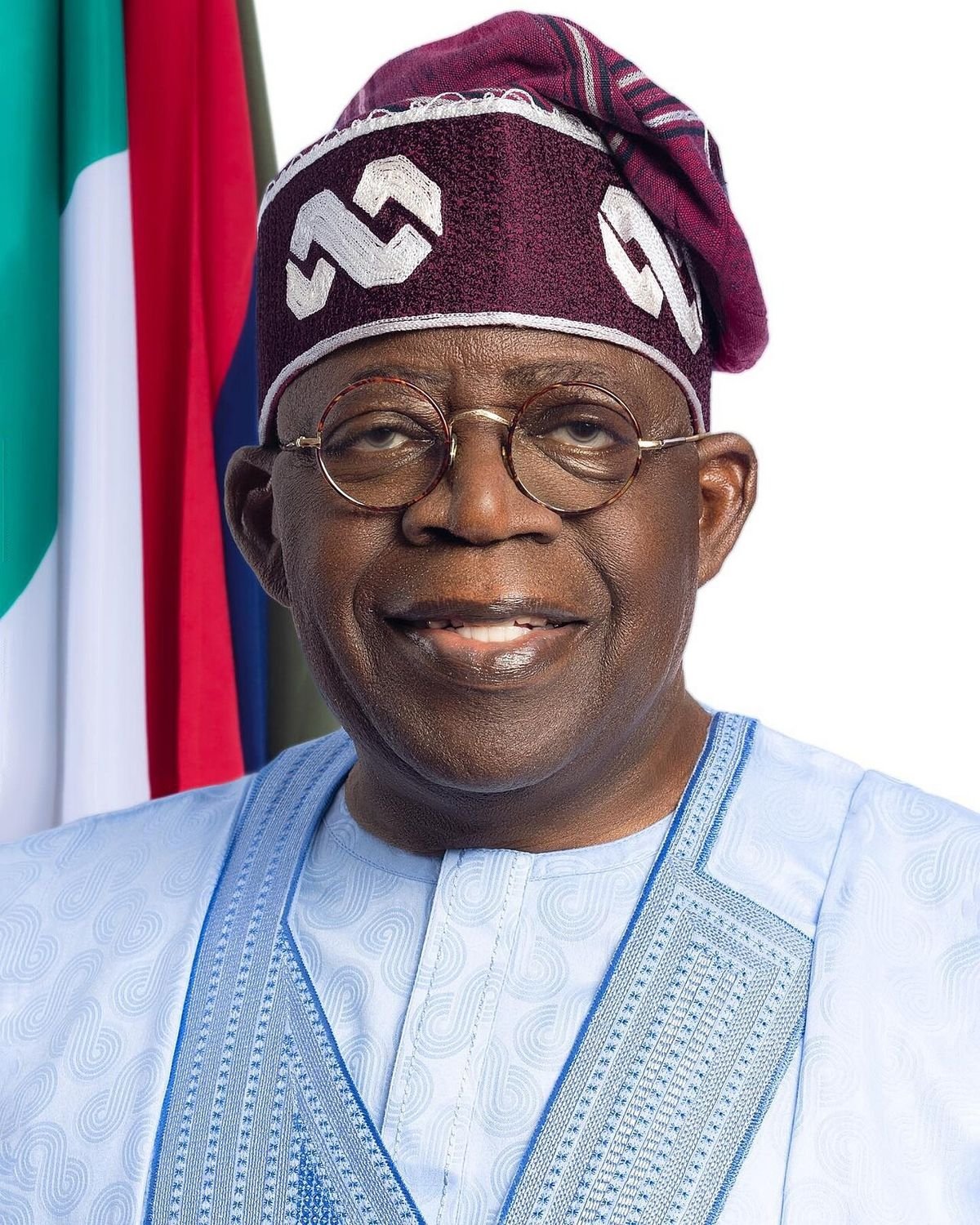

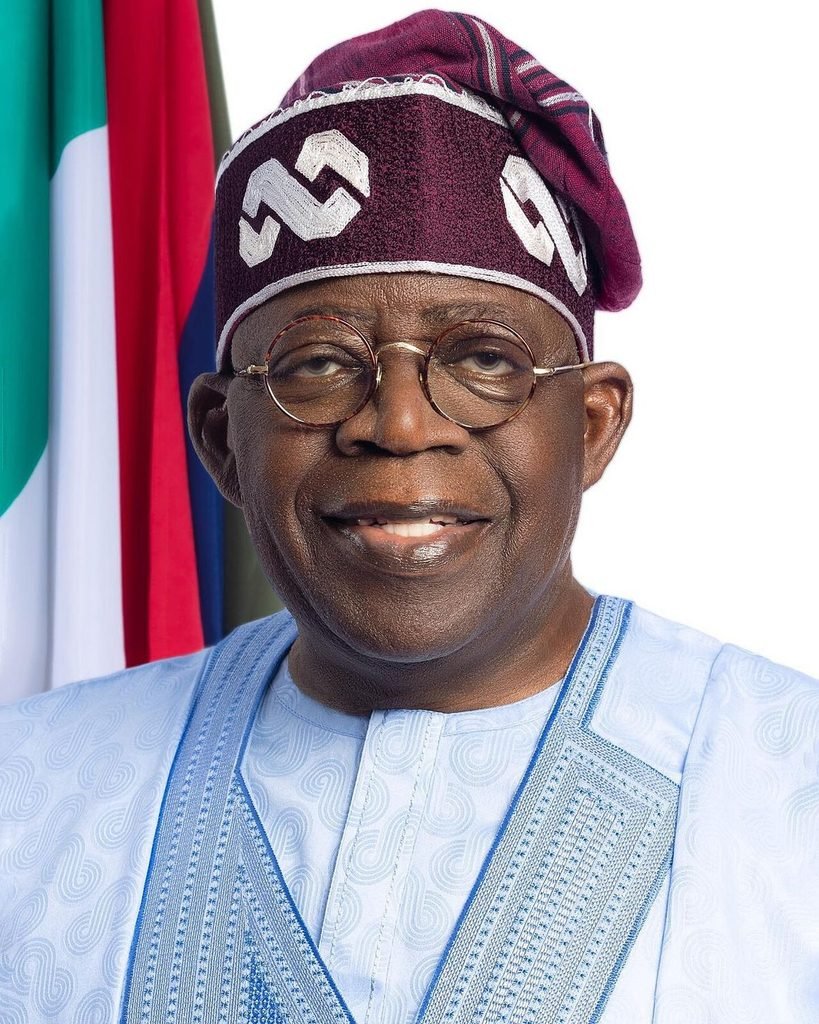
Managing Nigeria’s external debt burden has emerged as a central challenge for economic policy under President Bola Tinubu. Official figures show that foreign obligations expanded significantly over the past three years. Consequently, fiscal analysts continue to debate whether this strategy can deliver long-term growth.
Also read FG Seeks Fresh $1.5bn World Bank Loan As Nigeria’s Debt Hits N166.79tn
According to data compiled from official financial publications, the foreign debt stock increased by $11.4 billion since mid-2023. While federal officials emphasize that borrowing funds vital infrastructure, mounting interest payments place a tight squeeze on government revenue.
Backstory: Looking at the Numbers Behind the Borrowing
To understand how Nigeria’s external debt burden reached this level, we must trace the timeline of borrowing since the current administration took office. In June 2023, public debt stood at ₦87.38 trillion. However, data released by the Debt Management Office reveals that total public obligations rose to ₦166.79 trillion by June 2026.
While domestic domestic borrowing accounts for part of this total, external dollar-denominated loans expanded steadily. The government secured key support packages from multilateral lenders, including a $2.25 billion World Bank credit facility in June 2024 aimed at stabilizing the economy. Additionally, a $925 million tranche from Afreximbank further augmented external liabilities.
- June 2023: Total national public debt starts at ₦87.38 trillion as new reforms begin.
- June 2024: World Bank approves $2.25 billion support package for fiscal stability.
- June 2026: Total debt stock climbs to ₦166.79 trillion, with foreign debt forming 45.09% of total obligations.
Exchange Rate Effects and Debt Servicing Pressures
Fluctuations in exchange rates play a major role in expanding the naira value of foreign obligations. When the currency depreciates, existing dollar loans naturally cost more to service in local currency. Therefore, rising figures reflect both new loan drawdowns and currency adjustments.
Furthermore, debt service costs remain a major concern for fiscal planners. Debt Management Office statistics show that Nigeria spent $870.73 million on external debt service in the second quarter of 2026 alone. Significantly, interest charges accounted for $491.73 million—more than half of that total bill. Eurobond interest payments represented the largest commercial outlay at $217.44 million, illustrating the high cost of market-rate loans.
“Every dollar used to service debt is money that could otherwise finance healthcare, schools, and essential infrastructure,” economic analysts noted in recent fiscal reviews.
Ultimately, balancing structural development with foreign repayment demands remains a critical test. Policymakers must now focus on expanding local manufacturing and widening tax collection to ensure long-term stability.
References & Citations
- Debt Management Office (Sept 2026 Report): Nigeria’s Public Debt Stock and Actual External Debt Service Payments for Q2 2026, as reported by Nairametrics and The Guardian Nigeria.
- World Bank Group (2024 Project Document): Nigeria Reforms for Economic Stabilization and Development Approval, Washington D.C.