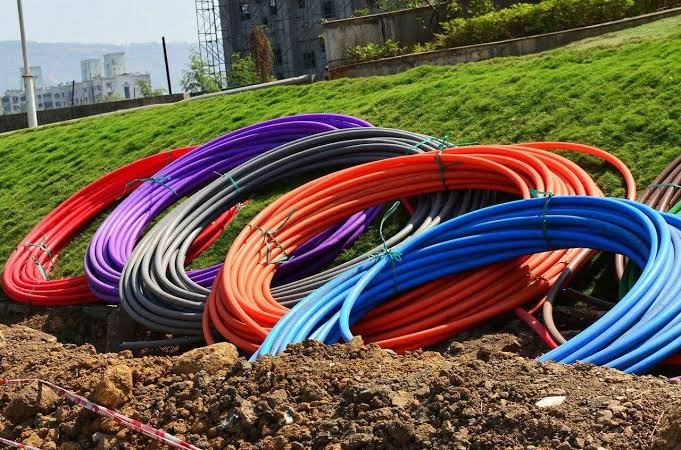

Nigeria is targeting the deployment of 90,000 kilometres of fibre-optic infrastructure across the country by 2028, in a renewed push to improve internet access, connect public institutions and accelerate the digital economy.
The plan, known as Project BRIDGE, is expected to expand the country’s existing fibre backbone from approximately 35,000 kilometres to about 125,000 kilometres when completed. It will cover Nigeria’s 36 states and is designed to provide a stronger foundation for broadband services in communities that remain underserved.
According to TheCable’s report published on October 9, 2026, All Progressives Congress National Chairman Nentawe Yilwatda disclosed the target during a virtual executive session with chief executives in the information technology industry.
The project is expected to support more than 200,000 schools, healthcare facilities and other public institutions. Its physical rollout is scheduled to begin in October 2026, with the government seeking to complete the programme within three years rather than the earlier five-year implementation period.
The expansion is significant because reliable internet access has become essential for education, business, healthcare delivery and public services. However, the project will need to move beyond announced targets to deliver dependable connections that Nigerians can use in their daily lives.
Also Read: Wike unveils projects to mark Tinubu’s second year in office
Schools and Public Institutions in Focus
One of Project BRIDGE’s central objectives is to reduce the connectivity gap affecting institutions that cannot consistently access the internet.
For schools, reliable broadband could improve access to digital learning materials, online research, educational platforms and teacher training. Students in communities with limited educational resources could gain access to learning opportunities beyond what is available in their classrooms.
Tertiary institutions could also benefit from improved access to digital libraries, collaborative research and online academic resources. For primary and secondary schools, however, connectivity will only make a practical difference when it is supported by electricity, suitable devices, trained teachers and appropriate digital content.
Healthcare facilities are another intended beneficiary. Better connectivity could support electronic health records, communication between facilities, access to medical information and the exchange of data needed for patient care.
The Federal Ministry of Communications, Innovation and Digital Economy identifies schools and hospitals among the institutions expected to benefit from the network. It also presents the initiative as part of a broader effort to improve digital inclusion and strengthen Nigeria’s economic development.
Beyond public institutions, the additional infrastructure could help internet service providers extend broadband services to businesses and households. The use of an open-access model is intended to allow multiple providers to use the underlying network, potentially encouraging competition and broader coverage.
Nevertheless, extending fibre across the country does not automatically mean every school, hospital or household will receive a direct connection. Service providers will still need to establish the links that carry connectivity from the main network to individual locations.
Funding and Delivery Challenges Remain
The Federal Government is implementing Project BRIDGE through a public-private partnership, with private investors expected to play a major role in financing and operating the infrastructure.
Yilwatda said approximately $800 million in sovereign financing had been secured, comprising $500 million from the World Bank, $100 million from the European Bank for Reconstruction and Development and $200 million from the African Development Bank. The European Union has also approved a €22 million grant for the initiative, according to the government’s funding announcements.
However, TheCable reported that another $1.2 billion in private capital was still required to meet the project’s financing needs.
Under the proposed ownership structure, the government, through the Ministry of Finance Incorporated, will hold between 25 and 49 per cent of the company responsible for delivering the network. Private investors will own the remaining 51 to 75 per cent and retain operational control.
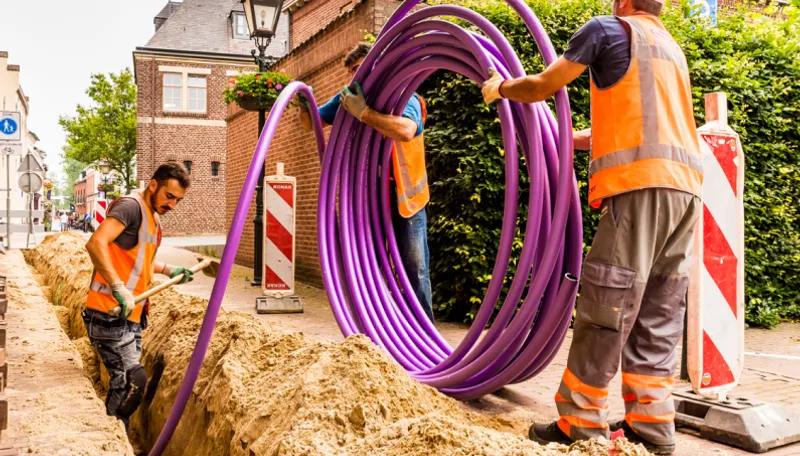
Several practical obstacles could affect delivery. These include inconsistent right-of-way charges, delays in obtaining permits, damage to fibre cables during road construction and vandalism of telecommunications infrastructure.
Affordability is another important consideration. Even when broadband infrastructure reaches a community, the cost of data, electricity and internet-enabled devices can prevent families and institutions from benefiting.
The government will therefore need cooperation from state and local authorities, telecommunications operators and private investors to achieve meaningful nationwide coverage.
Back Story: How Project BRIDGE Took Shape
Project BRIDGE, which stands for Building Resilient Digital Infrastructure for Growth, was developed to strengthen Nigeria’s national broadband backbone and address gaps in internet access.
In May 2024, the communications ministry announced presidential approval for a special-purpose vehicle to facilitate the additional 90,000 kilometres of fibre-optic infrastructure. The original plan was intended to increase the country’s backbone from about 35,000 kilometres to at least 125,000 kilometres and connect more than 200,000 educational, healthcare and social institutions.
The ministry later invited private-sector investors to participate in the project through a public-private partnership framework. In February 2026, it announced a $100 million investment approval from the European Bank for Reconstruction and Development and a €22 million European Union grant, adding to previously secured World Bank financing.
As the October 2026 rollout approaches, the focus is shifting from planning and fundraising to implementation. The key measure of success will not simply be the number of kilometres of cable installed, but whether reliable and affordable connectivity reaches the institutions and communities that need it most.
Also Read: Nigeria’s Digital Cloud Policy Targets $750 Million Private Investment in Two Years