
Iranian security chief Mohsen Rezaei stated on Sunday, via state media, that the United States’ response to Iran’s seven conditions for reopening the strategic Strait of Hormuz was “insufficient.”
The U.S. reply was transmitted through Qatari diplomatic intermediaries in response to proposals submitted by Iran during the UN General Assembly.
Iran’s plan outlined terms to reopen the critical shipping lane and restore standard commercial maritime transit within seven days, contingent upon specific conditions being satisfied.
Rezaei, the Secretary of the Supreme National Security Council, added that “we presented seven conditions to the Americans and clearly stated that the Strait of Hormuz would not be opened to them, and no negotiations would take place, until these conditions are met.” Washington must make clear the issues that are still unclear to Tehran.
Rezaei said Iran is “no longer in the process of responding to the Americans”.
“In their response, they have accepted some of our conditions, while others remain unclear,” he added.
Tehran confirmed in late September that it had received a response from the United States, coming shortly after U.S. President Donald Trump publicly stated he had rejected Iran’s latest proposal to restore a ceasefire in the Persian Gulf.
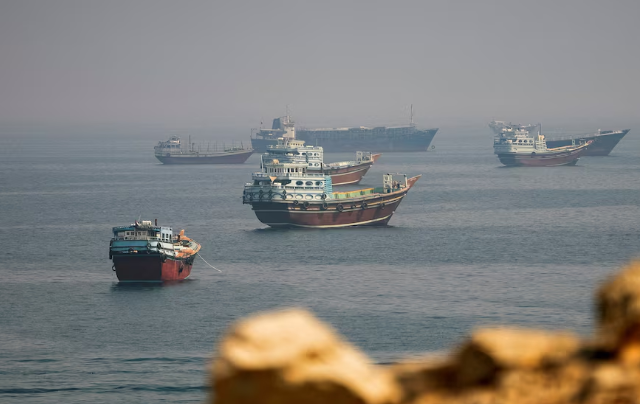
In an effort to halt hostilities and reopen the Strait of Hormuz—a crucial maritime corridor responsible for transporting one-fifth of global oil and liquefied natural gas supplies prior to the outbreak of conflict following U.S. and Israeli military strikes on Iran in late February—Qatari officials and other diplomatic intermediaries have continued facilitating communications between Washington and Tehran.
Read Also: Iran War-Vance Demands Meaningful Cut In Nuclear Enrichment To End Conflict
Backstory…
Efforts to end the conflict have repeatedly stalled over the conditions each side wants met before making concessions.
In June, US President Donald Trump and Iranian President Masoud Pezeshkian signed an interim agreement, but it collapsed weeks later.
By September, Washington’s naval blockade of Iranian ports and Tehran’s control over access through Hormuz had become central bargaining points in efforts to reach a broader settlement. Reuters
During the United Nations General Assembly in New York in September, Iran presented a renewed proposal to end the fighting and restore normal passage through the strait within seven days.
The proposal included demands for the United States to lift its naval blockade, release frozen Iranian assets and ease sanctions on Iranian oil sales. Tehran sent the proposal through Qatari mediators, but Trump publicly rejected it, leaving the diplomatic effort facing another setback.
You May Also Like: Tehran Receives Washington’s Response As US Troops Exit Iraq