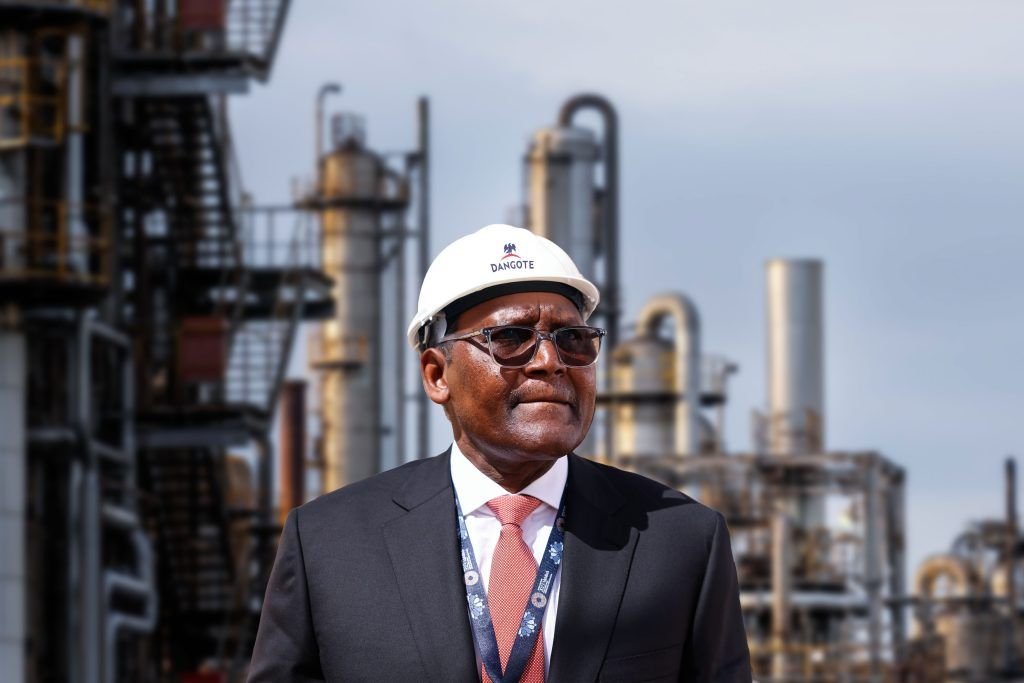
Industrial production expenses reached historic levels as Dangote BUA Cement energy costs 2026 disclosures showed that Nigeria’s two largest cement producers spent a combined N797.1 billion on fuel and power in nine months.
According to formal nine-month financial statements submitted to the Nigerian Exchange (NGX) for the period ending September 30, 2026, energy spending across both manufacturing giants rose by 6.7 percent year-on-year. Dangote Cement Plc reported group fuel and power expenses of N580.5 billion, representing a 2.0 percent increase from N569.0 billion recorded during the same period in 2025.
Meanwhile, BUA Cement Plc recorded a 21.5 percent jump in energy consumption expenses, reaching N216.6 billion compared to N178.2 billion in the previous year. Consequently, fuel and electricity costs consumed 16.4 percent of their N4.86 trillion combined top-line revenues.
Backstory: National Grid Failures, Off-Grid Thermal Plants, and Heavy Fuel Reliance
To understand why power expenses dominate cement manufacturing balance sheets, we must examine the history of power infrastructure deficits across Nigeria’s industrial hubs. For decades, frequent collapses of the national electricity grid forced large manufacturing conglomerates to build private power plants to keep clinker kilns running continuously.
Historically, cement factories relied heavily on heavy fuel oil, natural gas, and imported coal to power heavy machinery. As national grid reliability struggled, industrial players invested billions into captive power generation assets. Today, Dangote Cement operates approximately 400 to 500 megawatts of captive generation capacity across its Nigerian factories, alongside gas and coal stations in Tanzania and Zambia. Similarly, BUA Cement operates an estimated 240 to 280 megawatts of gas-fired power plants, including a 70-megawatt plant serving its Obu line in Edo State and a newly approved 12-megawatt expansion in Sokoto. Furthermore, to manage high diesel costs, Dangote Cement expanded compressed natural gas (CNG) truck fleets and alternative fuel processing. Therefore, operating independent power networks shields factories from blackout disruptions, but it exposes manufacturers directly to global fuel price shifts.
- Combined Fuel Outlay: Combined energy spending reached N797.1 billion, marking a 6.7 percent increase from N747.2 billion recorded in 2025. Nairametrics
- Captive Power Share: Combined captive generating capacity across both firms accounts for roughly 13 to 14 percent of total available national grid capacity. Nairametrics
- Alternative Fuel Mix: Transitioning logistics transport to compressed natural gas helped Dangote limit group fuel bill growth to 2.0 percent despite a 9.4 percent increase in sales volumes.
Managing High Fuel Overhead and Accelerating Energy Transition
As heavy industrial manufacturers adapt to rising operational costs, investing in cleaner energy mixes and alternative fuels remains essential for protecting profit margins.
“Developing private captive power infrastructure allows major industrial producers to maintain continuous factory operations despite public grid instability,” noted industrial energy analysts reviewing corporate financial disclosures.
In summary, reviewing how Dangote BUA Cement energy costs 2026 figures developed underscores the structural burden of off-grid industrial power generation. Continuing investments in gas pipelines and alternative energy sources will help stabilize manufacturing margins across Nigeria’s real sector.
Nairametrics
References & Citations
- Dangote Cement Plc & BUA Cement Plc Q3 Financial Disclosures / Nairametrics (Nov 4, 2026): Dangote Cement, BUA spend N797 billion in energy cost, Lagos. Nairametrics
- Manufacturers Association of Nigeria (MAN) Energy Reports (2026): Industrial Power Expenditure and Off-Grid Generation Trends in Manufacturing, Lagos.