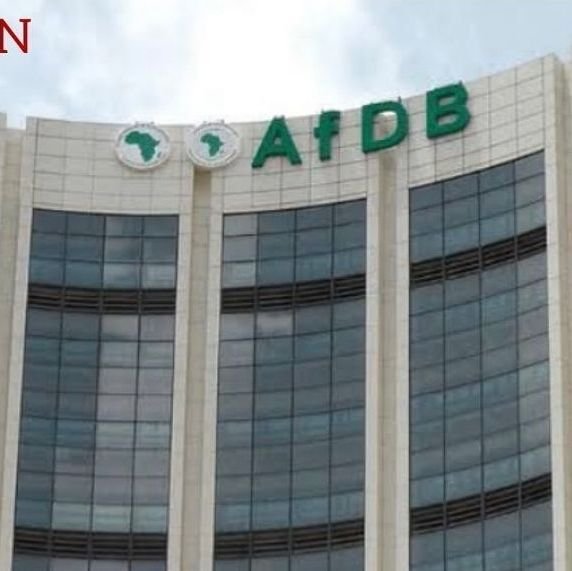
The AfDB partners with ODI Global to design new financial instruments and policy frameworks aimed at helping African nations manage rising debt burdens and elevated borrowing costs.
Also read World Bank Raises Africa’s 2026 Growth Forecast to 4.3%, Urges Governments to Invest in AI
According to a joint Memorandum of Understanding signed by the African Development Bank Group and global think tank ODI Global, the alliance focuses on unlocking affordable capital for vulnerable economies. Furthermore, the partnership will combine the operational reach of the regional development bank with independent policy research to improve private capital mobilization across the continent.
Backstory: Sovereign Debt Pressures and Structural Capital Constraints
To understand why this collaboration comes at a critical time, we must examine how external economic shocks disrupted African public finances. Over recent years, rising global interest rates, geopolitical tensions, and severe currency depreciations dramatically increased the cost of servicing foreign debt.
Consequently, many developing economies faced shrinking access to concessional development loans and high commercial yields on sovereign bonds. To counter these obstacles, African Development Bank President Sidi Ould Tah prioritized balance-sheet optimization, local currency financing, and credit rating improvements. Building on previous G20 collaborations regarding callable capital, both organizations joined forces to create pragmatic financial mechanisms.
- March 2026: ODI Global publishes a landmark report analyzing development bank reforms across 125 client countries.
- October 2026: AfDB moves to launch dedicated credit-rating assistance initiatives for sovereign borrowers.
- October 7, 2026: Both institutions formalize their Memorandum of Understanding to drive capital reforms.
Developing Practical Solutions for Capital Mobilization
Through this initiative, technical teams will analyze risk premiums and evaluate reforms to make development funds more responsive to regional priorities.
“A partnership earns its place when it serves that agenda. This partnership with ODI Global is intended to do precisely that, rigorous, independent analysis put at the service of instruments that work in practice,” stated AfDB leadership regarding the agreement.
ODI Global Managing Director Sara Pantuliano emphasized that combining field expertise with independent policy design will give member countries greater fiscal space. In summary, as the AfDB partners with ODI Global, the focus centers on establishing sustainable, long-term financing models for economic transformation.