
Artificial intelligence, robotics, biotechnology, data science and clean-energy technologies are changing workplace skills. Africa must prepare learners with strong mathematics and science foundations, practical problem-solving abilities and routes into advanced training and research.
Evidence shows uneven readiness across Africa. Some universities offer specialist programmes and governments have adopted continental strategies. However, infrastructure, teacher preparation and practical learning remain inconsistent. The test is extending progress to ordinary schools and underserved communities.
Also Read: Nigeria Can Learn From UAE’s AI Government Push as Abu Dhabi Targets 2027
Readiness Is Uneven, Not Absent
A 2025 World Bank working paper offers a snapshot of advanced digital-skills education in sub-Saharan Africa. Its 2024 survey received responses from 174 tertiary institutions in 29 countries, about 14 per cent of institutions in the region. Among respondents, 31 per cent offered artificial-intelligence programmes, 34 per cent data science and 40 per cent cybersecurity.
Specialist training is taking root, but it is not widespread. The figures are not a census of African schools and universities; they describe institutions that responded.
Infrastructure and Teachers Will Decide the Outcome
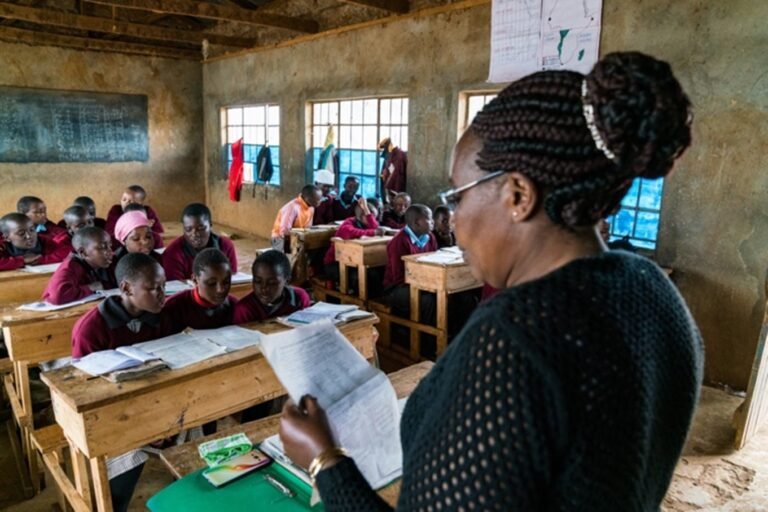
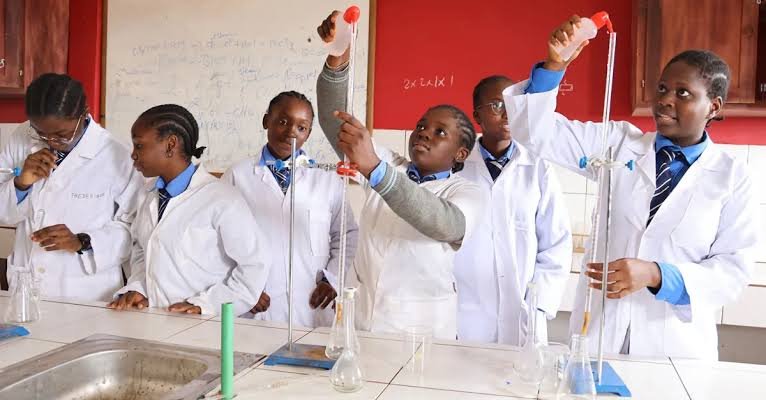
Advanced STEM learning needs reliable electricity, affordable internet, functional equipment, trained teachers and practical work. In the World Bank survey, 41.2 per cent of participating institutions had no internet in lecture rooms, while 32.9 per cent lacked connectivity in ICT laboratories. Almost half of students shared a computer with at least four others.
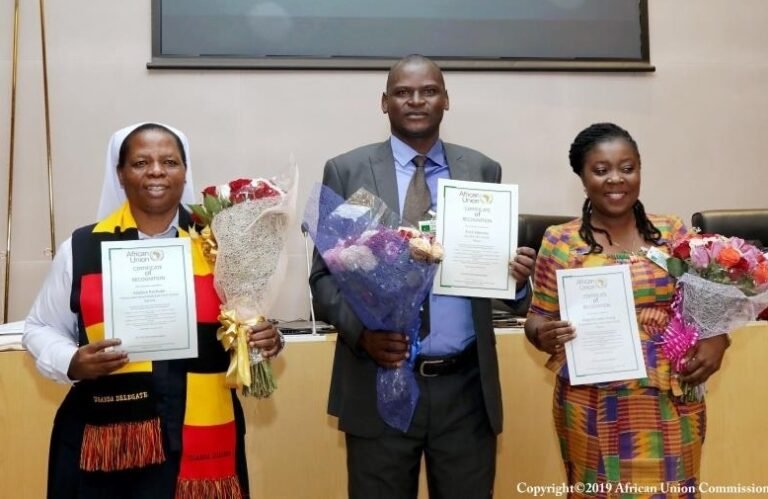
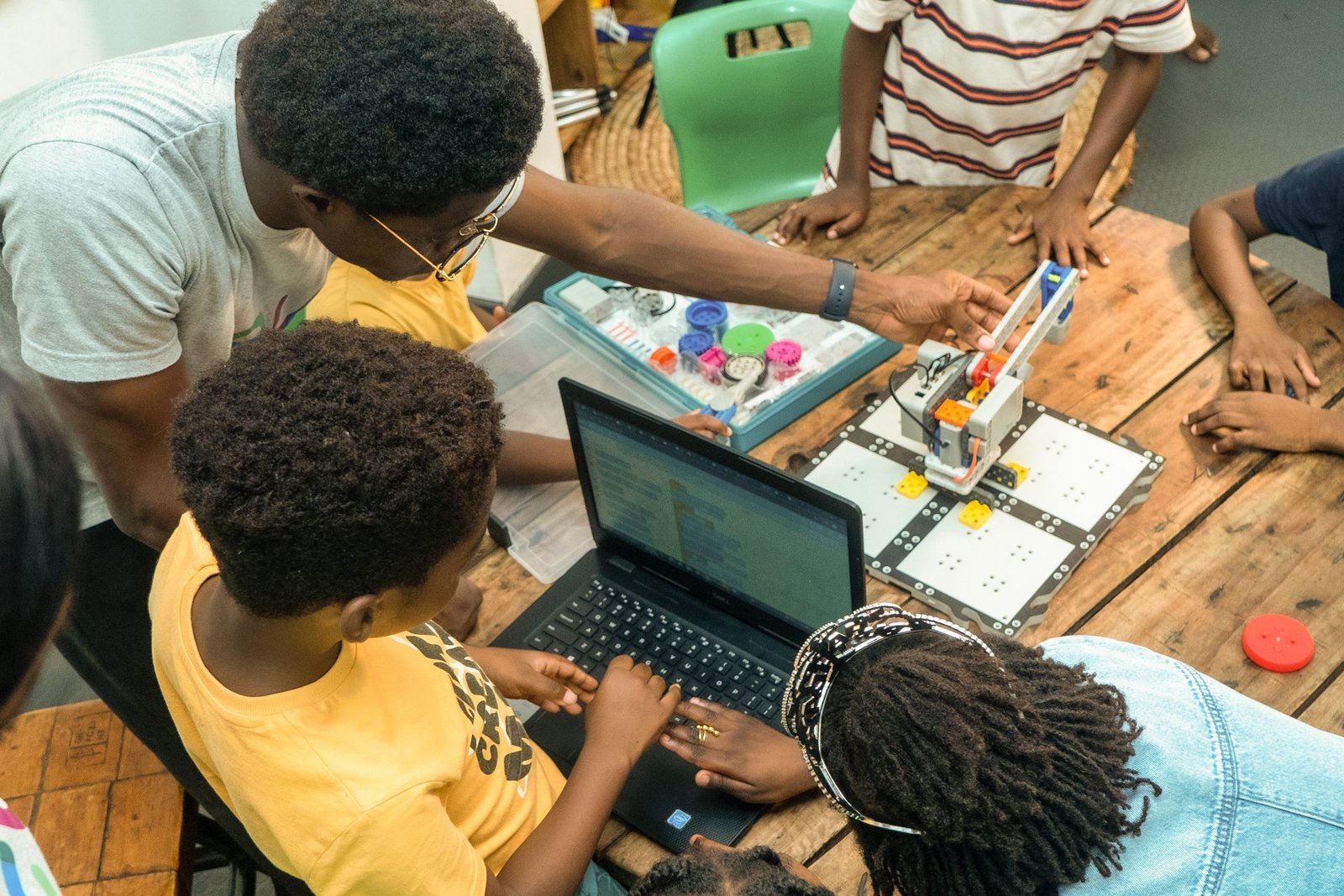
Teacher preparation matters too. The African Union’s May 2026 bootcamp for STEM and technical and vocational education and training (TVET) teachers in Kigali focused on learner-centred, competency-based and industry-responsive teaching. Students must learn to design, test and improve solutions, not simply memorise scientific definitions.
The Skills Pipeline Must Start Earlier and Include More Learners
UNESCO, citing the World Economic Forum, says Africa will need an additional 23 million STEM graduates by 2030. Universities cannot meet that demand alone. Children need strong foundations in mathematics, science, reading and problem-solving, followed by access to laboratories, technical colleges, apprenticeships and research opportunities.
Participation is another test. UNESCO reports that in sub-Saharan Africa, for every 100 men with spreadsheet skills, only 40 to 44 women have the same proficiency. Cost, limited device access, safety concerns and social expectations contribute to the gap. Girls, rural learners and students with disabilities must be included in digital access and mentorship.
Back Story: Policy Commitments Need Classroom Delivery
In November 2024, the African Union and UNESCO’s Continental Conference on Transforming STEM in Africa produced the Addis Ababa Communiqué. It called for stronger mathematics teaching, practical STEM learning, teacher development, inclusive access to laboratories and digital resources, and better education data. The African Union’s Continental Education Strategy for Africa 2026–2035 provides a wider policy framework. These commitments set direction, but do not prove implementation has yet reached every school.
Africa is partly prepared: it has strategies, emerging programmes, talent and institutional progress. It is not ready at the scale the next generation demands. Readiness will be measured not by technology announcements, but by whether learners can access skilled teaching, functioning laboratories and opportunities to turn ideas into locally relevant solutions.
Also Read: Governments Increase STEM Investment to Prepare Workforce for Future Skills Demand