
Meta description: Airtel Africa, UNICEF and the Federal Government expand free digital learning to nearly 2,000 Nigerian schools, reaching one million students.
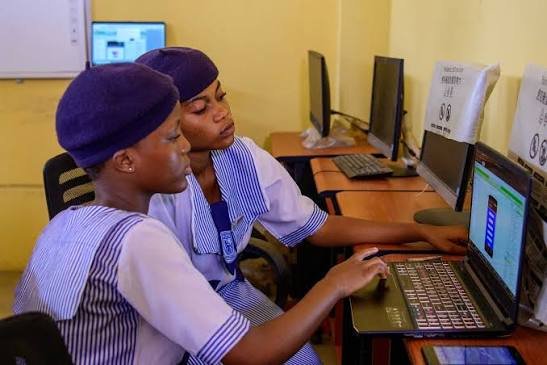
Airtel Africa, the United Nations Children’s Fund (UNICEF) and the Federal Government of Nigeria have expanded access to free digital learning across nearly 2,000 schools, bringing educational resources to approximately one million students and more than 20,000 teachers.
The initiative aims to make digital education more accessible, improve teachers’ ability to use technology in the classroom and equip young Nigerians with skills that can prepare them for employment and entrepreneurship.
According to a report published by The Punch on October 21, 2026, the partners are also working to address the cost of internet access, which remains a barrier for many learners, particularly those in underserved communities.
The latest development highlights the growing importance of partnerships between government, telecommunications companies and international organisations in improving educational opportunities across Nigeria.
Also Read: Airtel Begins Second Airtime Compensation for Poor Network Service in Nigeria
Digital platforms offer learning resources and practical skills
The programme provides access to selected educational platforms without data charges for eligible users, helping reduce the financial pressure associated with online learning. The platforms include the Nigeria Learning Passport, the Federal Ministry of Education’s Inspire and Ignite platforms, the Digital National Education Management Information System and the Youth Agency Marketplace (YOMA).
The Nigeria Learning Passport provides curriculum-related educational content and supports learning through online and offline access. This makes it particularly relevant to pupils who may struggle with regular internet connectivity.
The scale of adoption is also encouraging. The partners reported that the Nigeria Learning Passport had recorded more than 2.5 million registered students and nearly 100,000 registered teachers. In addition, more than 19,000 teachers had received digital literacy training through the partnership.
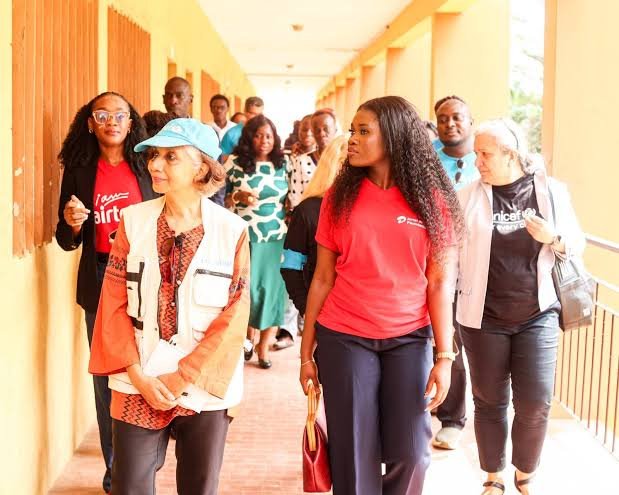
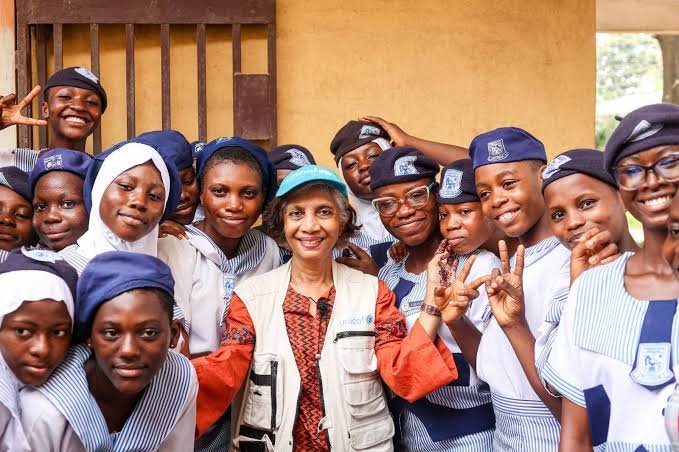
During recent visits to schools and youth programmes in Lagos and Abuja, representatives of Airtel Africa and UNICEF observed how students and teachers were using digital tools, including artificial intelligence, in classroom activities.
At Yaba College of Technology, the delegation also examined how the Passport to Earning programme and YOMA support young people in developing digital, employability and entrepreneurship skills. These platforms can help connect participants with mentorship, internships and other livelihood opportunities.
For Nigerian students preparing to enter a competitive job market, access to these resources could provide a useful complement to classroom education. However, their long-term value will depend on the quality of training, consistent access to technology and the ability of learners to apply what they learn.
Government and partners emphasise inclusive education
UNICEF Deputy Representative in Nigeria, Rownak Khan, said access to free digital learning could help bridge the digital divide while connecting children and young people to the knowledge and opportunities needed to shape their futures.
Khan also stressed the importance of ensuring that girls, children with disabilities and learners in underserved communities benefit from the programme.
Garreth Spillane, Chief of Staff to the Chairman of Airtel Africa, said connectivity could transform education when it gives students access to quality learning materials and enables teachers to use technology effectively.
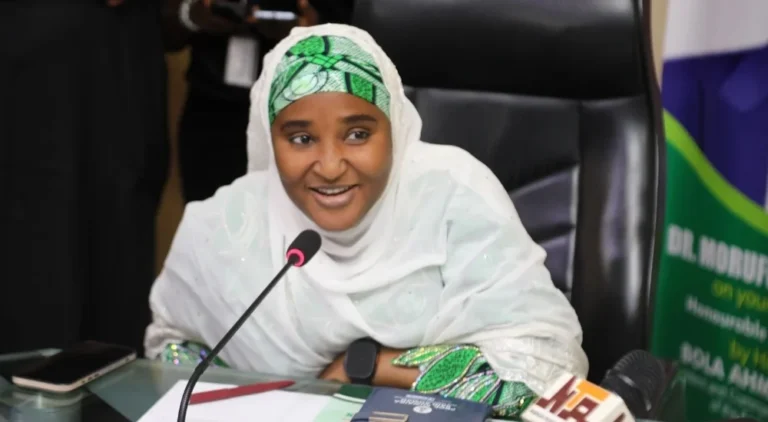
Meanwhile, Minister of State for Education, Professor Suwaiba Sa’idu Ahmad, highlighted the need for partnerships that align with government priorities and the needs of learners. She also pointed to teacher development, access to quality digital content and child online safety as important areas requiring continued attention.
During discussions in Abuja, the delegation met officials from the Office of the Vice President and the Federal Ministry of Education. The conversations covered school connectivity, teacher training, inclusive learning, digital education content, data systems and sustainable funding.
These issues remain central to ensuring that digital learning initiatives deliver lasting improvements rather than simply providing access to online platforms.
Back story: Airtel Africa and UNICEF’s digital education partnership
The initiative builds on a five-year partnership announced in November 2021 by Airtel Africa and UNICEF to expand digital learning across 13 African countries, including Nigeria. The partnership was designed to connect schools to the internet and make selected learning platforms accessible without data charges.
According to UNICEF Nigeria’s original announcement, Airtel Africa committed $57 million in financial and in-kind support over five years, through 2027, to advance digital education across the participating countries.
In Nigeria, the programme initially targeted 620 primary schools, with an expected reach of 300,000 students. The initiative has since expanded, reflecting the partners’ broader effort to improve access to education and digital skills.
The Airtel Africa Foundation’s programme overview identifies school connectivity, accessible digital learning platforms, teacher support and stronger education systems as key elements of the partnership.
Despite this progress, challenges involving electricity, devices, network coverage and teachers’ digital skills could still limit the benefits for some communities. Continued investment and monitoring will therefore be essential.
The expansion to nearly 2,000 Nigerian schools represents an important step towards more inclusive digital education. The next measure of success will be whether the initiative helps learners improve their academic performance, develop practical skills and access better opportunities beyond the classroom.
Also Read: Massive Tariff Hike: NCC Approves 50% for MTN, Airtel