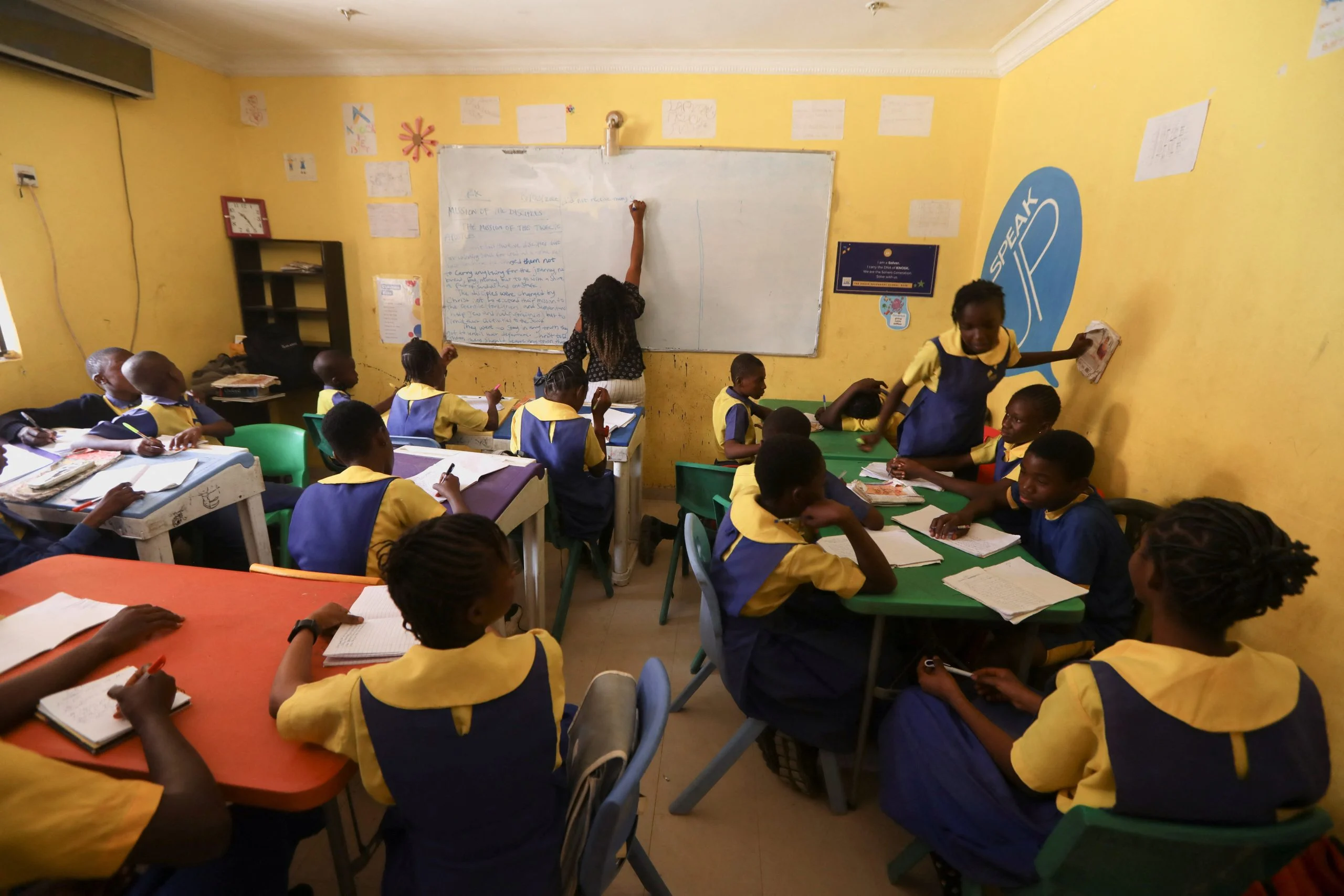

Nigerian teachers are increasingly expected to do more than teach. As schools embrace digital learning, many educators must navigate unreliable internet connections, troubleshoot faulty devices, purchase mobile data and help colleagues overcome technical difficulties, often without dedicated support or additional compensation.
The situation raises an important question: when did teaching become an informal technology support job?
Digital tools can improve classroom engagement, expand access to educational resources and prepare students for a technology-driven economy. However, their benefits depend on adequate infrastructure, practical training and institutional support. Without these essentials, technology risks becoming another responsibility for teachers already managing demanding workloads.
Research published in Education Sciences in 2026 highlights how electricity shortages, poor internet access, inadequate devices and limited technical support affect Nigerian secondary school teachers’ engagement with emerging technologies. The findings also describe educators using personal funds and informal networks to keep digital learning activities running.
The concern is not that teachers are unwilling to embrace technology. Rather, many are expected to make it work despite conditions that would challenge even a properly equipped institution.
Also Read: Nigerians Urged to Protect Personal Data as AI Raises New Privacy Concerns
When Teachers Become the IT Department
Consider what happens when a teacher arrives in class intending to deliver a technology-supported lesson. The projector refuses to connect, the internet is unavailable, or a computer develops a fault. Instead of concentrating entirely on teaching, the educator must find a workaround.
In some schools, teachers use their personal smartphones, purchase mobile data and share internet connections with colleagues. Others depend on more technologically confident staff members for assistance with digital platforms and classroom equipment.
These informal arrangements can help lessons continue, but they also transfer costs and responsibilities from institutions to individual workers.
A 2022 study on ICT use among secondary school teachers in Borno State identified inadequate technical support and insufficient ICT expertise as important barriers to teachers’ effective use of technology.
The wider implications are significant. Every minute spent resolving preventable technical problems is time that could have gone towards lesson preparation, marking, student assessment or individual attention for learners.
Teachers may also feel pressured to maintain a modern classroom experience without the resources required to deliver it consistently.
The Back Story: Nigeria’s Digital Education Ambitions
Nigeria has made digital literacy and technology integration important parts of its education agenda. National frameworks, including the National Digital Learning Policy, reflect the country’s ambition to improve learning through digital tools and prepare students for changing workplace demands.
However, policy ambitions do not automatically translate into functioning computer laboratories, reliable electricity, affordable internet or accessible technical assistance.
An investigation by The International Centre for Investigative Reporting documented gaps in computer education across government-owned schools in the Federal Capital Territory. Some schools lacked computer laboratories, while others provided limited practical instruction.
These challenges expose a difficult contradiction. Students need digital skills to compete in a changing economy, but many schools lack the facilities required to teach those skills effectively.
Teachers are caught between these expectations and the realities of their working environments. Training alone cannot solve the problem when equipment is unavailable, connectivity is unreliable or broken devices remain unrepaired.
What Schools and Governments Must Do
The solution is not to discourage technology adoption. It is to ensure that the responsibility for implementing it is properly shared.
Federal and state governments, school administrators and private education providers should invest in functional equipment, dependable electricity, internet connectivity and regular maintenance. Schools should also establish clear technical support arrangements so teachers are not automatically responsible for troubleshooting every device or platform.
Professional development must go beyond demonstrations and theoretical workshops. Teachers need practical training, follow-up assistance and opportunities to develop digital teaching skills using the equipment available in their classrooms.
Importantly, schools should provide clear policies on the use of personal devices and mobile data for official duties. Where teachers incur necessary expenses on behalf of their institutions, appropriate reimbursement arrangements should be considered.
Nigeria cannot build an effective digital education system by quietly relying on teachers to subsidise it with their salaries, personal devices and unpaid time.
Technology should make teaching more effective, not turn educators into unpaid technicians. If policymakers want digitally competent students, they must first give teachers the tools, training and support to make that ambition achievable.
Also Read: Computer Science Graduates Pivot to AI Skills as Entry-Level Coding Jobs Shrink