The global race to dominate artificial intelligence infrastructure is gathering pace, and one of the most closely watched stages for that competition is the annual NVIDIA GTC conference. In 2026, Amazon Web Services is stepping onto that stage with renewed confidence, showcasing its collaboration with NVIDIA and presenting new ideas about how AI systems will be built, deployed, and scaled across industries.
At NVIDIA’s flagship AI conference taking place in San Jose, California, from 16 to 19 March 2026, Amazon Web Services (AWS) is positioning itself as a central player in the evolving AI ecosystem. Through technical sessions, live demonstrations, and partner collaborations, the company aims to demonstrate how cloud infrastructure combined with accelerated computing can help businesses turn artificial intelligence into real-world solutions.
The event is widely regarded as one of the most influential technology gatherings in the world. Developers, researchers, business leaders, and engineers gather annually to discuss breakthroughs in accelerated computing, robotics, machine learning, and next-generation data infrastructure. In recent years, the conference has become synonymous with the future direction of artificial intelligence itself. According to organisers, the event focuses on innovations ranging from agentic AI and AI factories to robotics and high-performance inference systems, according to Nvidia.
This year, Amazon Web Services is using the platform to highlight its rapidly expanding partnership with NVIDIA and to demonstrate how enterprise organisations can build secure, scalable AI systems in the cloud.

Table of Contents
Inside AWS’s Presence at the Global AI Conference
At NVIDIA GTC 2026, Amazon Web Services is not simply participating as a sponsor. The company has built a comprehensive programme that includes technical sessions, product demonstrations, and meetings with industry leaders exploring the next generation of AI infrastructure.
During the conference week, AWS will host several sessions covering topics such as AI infrastructure development, enterprise AI applications, and large-scale model training. The company is also showcasing live demonstrations that reveal how its cloud services integrate with NVIDIA’s GPU technologies to support real-time AI workloads.
The AWS exhibition presence also features theatre presentations, interactive demonstrations, and networking opportunities where developers and companies can learn directly from experts about building AI-powered applications. Visitors to the AWS booth can explore how cloud computing and accelerated hardware work together to power complex machine learning models.
Beyond demonstrations, the company is facilitating one-on-one meetings between AWS specialists and enterprise clients attending the conference. These meetings are designed to help organisations understand how they can move from experimentation with AI tools to deploying production-ready systems that deliver measurable business value.
Industry observers note that the scale of AWS activity at GTC reflects the growing importance of cloud infrastructure in the AI revolution. While GPUs and hardware innovations often dominate headlines, the reality is that large-scale AI systems depend heavily on distributed cloud environments capable of managing enormous volumes of data and computation.
By emphasising these capabilities, AWS is highlighting its strategy to become the backbone of enterprise artificial intelligence deployment.
Key Sessions Showcasing the Future of AI Infrastructure
Among the many presentations scheduled for the conference, several AWS sessions stand out for their focus on the future of AI infrastructure and real-world applications.
One session explores how Amazon Ads is using NVIDIA technologies to optimise digital advertising experiences. The presentation examines how machine learning models running on advanced computing systems can analyse large datasets and deliver more personalised advertising services to users.
Another important discussion focuses on building the future of AI infrastructure through a collaboration between AWS and HUMAIN, highlighting how new cloud architectures can support sovereign AI development and scalable machine learning environments.
These sessions reflect a broader shift taking place in the AI industry. Rather than focusing solely on building new models, organisations are now prioritising how those models can run reliably at scale within complex production environments.
Another major panel addresses energy efficiency in AI data centres. Executives from major technology and sustainability organisations are expected to examine how companies can optimise computing performance while reducing environmental impact. As artificial intelligence systems grow larger and more energy-intensive, this issue has become a major topic of global debate.
Further sessions will examine emerging areas such as distributed AI training systems, agent-driven software development, and AI-powered design tools for industries including automotive engineering and manufacturing.
In addition to enterprise applications, the conference also includes sessions exploring how AI can transform sectors such as healthcare and life sciences. These discussions focus on multi-agent systems capable of accelerating clinical operations and research workflows.
Together, these sessions illustrate how artificial intelligence is moving beyond research laboratories into industries that shape everyday life.
Why the AWS and NVIDIA Partnership Matters
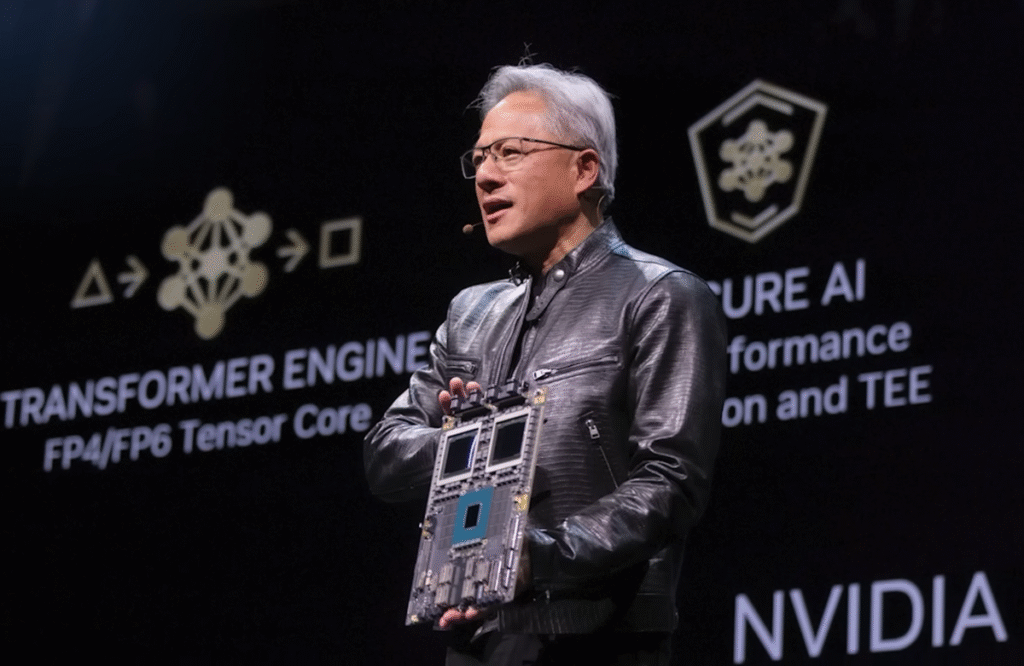
One of the central themes of AWS participation at GTC 2026 is its deepening partnership with NVIDIA. The collaboration between the two companies has become one of the most significant alliances in the modern AI landscape.
NVIDIA provides the powerful GPU hardware that powers advanced machine learning workloads, while Amazon Web Services offers the global cloud infrastructure that allows organisations to access that computing power on demand.
Over the past few years, the partnership has expanded to include deeper integration between NVIDIA technologies and AWS cloud services. This collaboration enables developers to train and deploy large-scale AI models faster and more efficiently using GPU-accelerated infrastructure hosted in the cloud.
The relationship also extends to emerging technologies such as custom AI chips, high-speed networking systems, and software frameworks designed to simplify AI development. Industry experts believe this ecosystem approach is essential as artificial intelligence systems become increasingly complex.
Instead of relying on isolated technologies, modern AI requires a full-stack environment that includes hardware, cloud infrastructure, data platforms, and software tools working together seamlessly.
For enterprises seeking to deploy AI solutions, partnerships like the one between AWS and NVIDIA provide access to a complete ecosystem capable of supporting everything from experimentation to large-scale production.
The result is a technological environment where companies can innovate faster without needing to build their own supercomputing infrastructure.
What NVIDIA GTC 2026 Reveals About the Future of AI
Beyond individual announcements and partnerships, NVIDIA GTC 2026 offers a broader glimpse into where the artificial intelligence industry is heading.
Experts attending the conference expect major discussions around several emerging trends, including agent-based AI systems, physical AI used in robotics, and AI factories designed to produce intelligence at scale.
The concept of an AI factory has gained attention in recent years. It refers to large-scale computing environments designed specifically to train, deploy, and operate machine learning models continuously. These environments combine massive GPU clusters, specialised software, and cloud infrastructure to process enormous datasets and generate insights in real time.
Another trend gaining momentum is the development of agentic AI. These systems go beyond traditional machine learning models by acting as autonomous agents capable of reasoning, planning, and executing complex tasks. Industry analysts believe agent-based AI could reshape industries ranging from logistics and manufacturing to finance and healthcare.
Robotics and physical AI also feature prominently in discussions at the conference. Researchers are increasingly using AI models to train robots capable of interacting with real-world environments. These technologies could eventually power autonomous factories, delivery systems, and advanced manufacturing processes.
For technology companies like Amazon Web Services, the conference represents an opportunity not only to showcase current capabilities but also to demonstrate how their platforms are evolving to support the next wave of AI innovation.
As artificial intelligence becomes embedded across every sector of the global economy, infrastructure providers will play an increasingly important role in determining how quickly new technologies can be adopted.
The presence of AWS at NVIDIA GTC 2026 reflects this reality. The company is positioning itself as more than just a cloud provider. Instead, it is presenting itself as a central platform where organisations can build, deploy, and scale the intelligent systems that will shape the future.
For developers, startups, and enterprises alike, the message coming from the conference is clear. The next phase of artificial intelligence will not simply be about smarter algorithms. It will be about building the powerful infrastructure needed to turn those algorithms into a real-world impact.
Join Our Social Media Channels:
WhatsApp: NaijaEyes
Facebook: NaijaEyes
Twitter: NaijaEyes
Instagram: NaijaEyes
TikTok: NaijaEyes