Breaking the Cycle: Is Nigeria Heading Toward a Sustainable Fiscal Path?
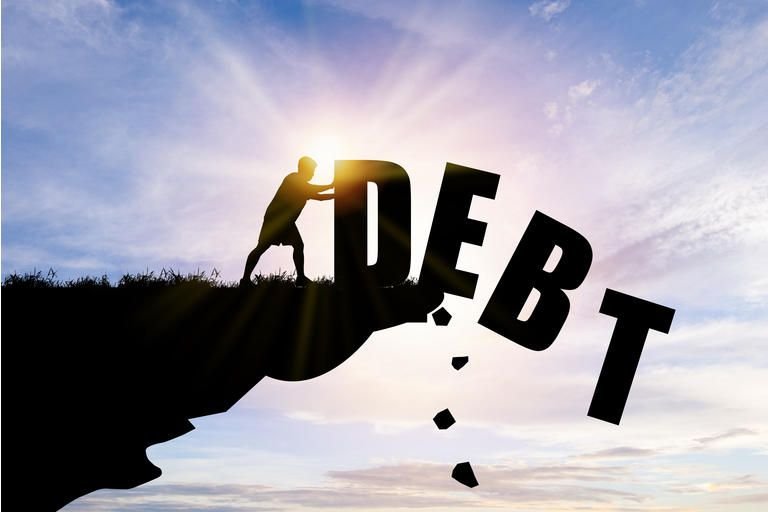
The conversation around Nigeria’s economic future is shifting focus. For a long time, experts have debated the scale of the country’s growing public commitments.
With large-scale infrastructure projects requiring massive funding, the federal government relies heavily on credit markets. This scenario raises an essential question for the business community. Is the country managing its obligations effectively, or are we moving toward an unsustainable financial model? Balancing development needs against real revenue generation is now a critical task.
The Realities of Public Resource Management
Sustaining an economy requires a careful mix of strategic investment and fiscal balance. Currently, the national budget heavily features debt-servicing obligations.
This pattern means that a substantial portion of monthly revenues goes straight toward fulfilling past financial promises.
Local manufacturers and economic experts often worry that this structure crowds out critical social spending. When a significant portion of national income is tied up in interest repayments, less capital is available for public hospitals, education, and security.
However, policymakers maintain that borrowing is necessary. They argue it is the only viable way to bridge the country’s massive infrastructure deficit. The challenge is ensuring that every borrowed dollar goes into productive sectors that can generate future revenue.
Shifting Focus to Revenue Mobilization
To avoid long-term fiscal strain, the government is looking at alternative solutions. Relying strictly on credit facilities is a short-term patch, not a permanent fix. Financial authorities are now prioritizing domestic revenue generation to stabilize the national balance sheet.
This new strategy involves broadening the tax base and cutting down on administrative waste. By utilizing digital tools, tax authorities hope to improve collection efficiency without placing fresh burdens on small businesses.
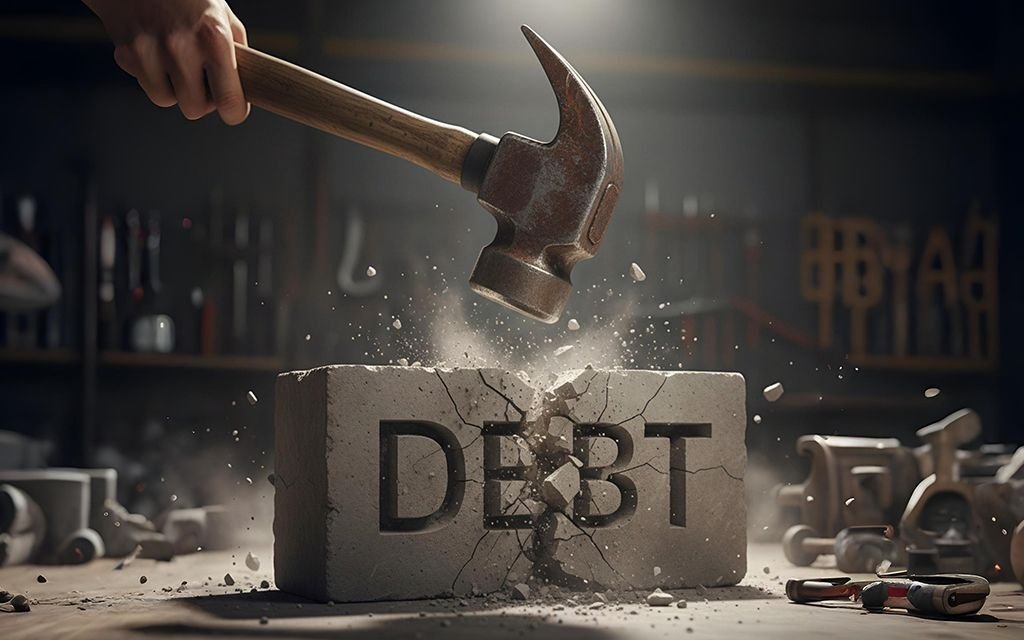
If these efforts succeed, the country can rely less on international financial institutions. True economic independence will arrive when our public services are comfortably funded by sustainable internal income rather than fresh rounds of borrowing.
Building Long-Term Market Stability
The path toward structural stability requires both time and consistent policy execution. Investors and business owners are watching these fiscal adjustments closely.
A stable budget structure creates a predictable environment where local enterprises can expand with confidence.
Ultimately, managing national finances is about securing a prosperous future for everyday citizens. By fixing energy networks and transit hubs using sustainable capital, the administration can reduce the cost of doing business permanently. As these structural adjustments progress, the goal remains clear.
The country must transition away from a pattern of defensive financing and move toward a robust economy driven by real, productive growth.
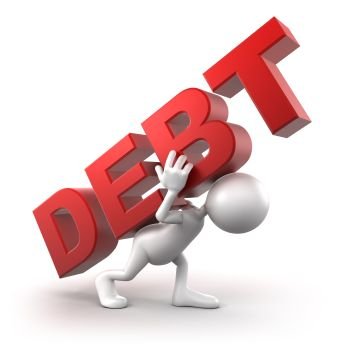
Nigeria’s sustainable fiscal growth strategy
WhatsApp: NaijaEyes
Facebook: NaijaEyes
Twitter: NaijaEyes
Instagram: NaijaEyes
TikTok: NaijaEyes