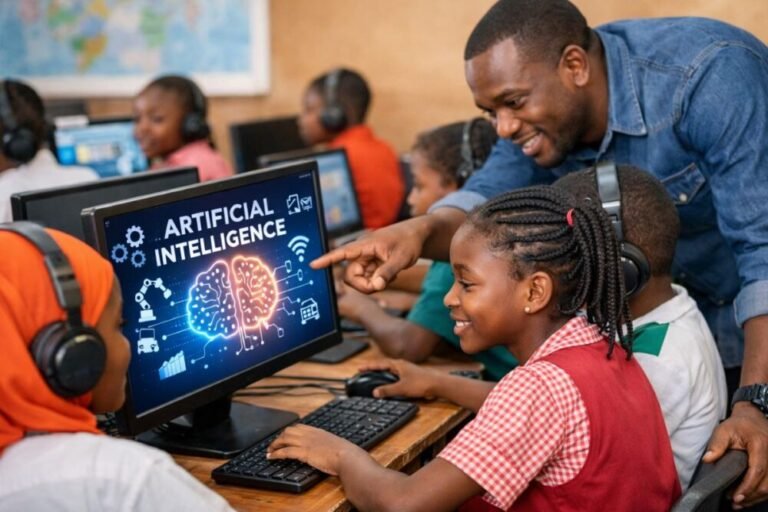

Africa’s education system may not need expensive technology to reach every learner. In communities where internet connectivity is unreliable, electricity is limited, and smartphones remain unaffordable for many families, a simple text message could help children continue learning.
SMS-based learning is emerging as a practical way to deliver educational materials, quizzes and feedback to learners through ordinary mobile phones. Unlike online learning platforms that depend on internet access, short message service (SMS) technology allows students to receive lessons and answer questions without a smartphone or mobile data connection.
For countries such as Nigeria, where millions of children face barriers to quality education, this approach presents an opportunity to expand access to learning beyond traditional classrooms. However, its success will depend on how well governments, schools, telecommunications companies and education organisations work together to make these services affordable, accessible and effective.
How SMS Learning Could Improve Education Access in Africa
The appeal of SMS-based learning lies in its simplicity. Students can receive short lessons, practice questions and learning reminders directly on their phones. Some platforms also adapt questions to a learner’s performance, helping children revisit difficult topics before progressing to more advanced material.
Research published in the British Journal of Educational Technology examined M-Shule, a Kenyan educational platform that delivers personalised literacy activities through text messages. The study found positive learning outcomes among participating primary school children, with improvements observed across gender and geographical groups.
The findings suggest that digital education does not always require sophisticated devices or high-speed internet to make a meaningful difference. When properly designed, SMS lessons can help learners practise foundational skills, particularly in reading and mathematics.
The model can also support learning outside school hours. Children who miss lessons because of distance, household responsibilities or temporary school closures may have another way to access educational materials. Parents can also receive messages that help them support their children’s studies at home.
For rural communities, the potential benefit is significant. Instead of waiting for schools to acquire computer laboratories or reliable broadband connections, education providers can build on mobile phones that families already use.
Also Read: African Countries Unite to Push Affordable Internet Access and Lower Smartphone Costs
Nigeria and the Opportunity to Reach Underserved Learners
Nigeria faces a considerable challenge in ensuring that children can access quality education and develop essential literacy and numeracy skills. In a June 2023 statement, UNICEF Nigeria reported that more than 10 million primary school-age children were out of school, while many children attending school struggled with basic learning.
The organisation highlighted the Nigeria Learning Passport, a digital education initiative developed with the Federal Ministry of Education and Microsoft. The platform provides curriculum-aligned educational materials and includes offline learning options for communities with limited connectivity.
SMS-based education could complement initiatives like this by reaching learners who lack smartphones, tablets or dependable internet access. Nigeria also has a relevant local example in DigiLearns, an initiative documented in the African Union’s Africa Education Innovations Handbook 2020. It used SMS and USSD, a mobile phone menu service, to deliver lessons, revision materials and quizzes to learners using basic phones.
These examples demonstrate why education technology in Nigeria should be designed around the realities of learners rather than an assumption that every household has electricity, internet access and suitable devices.
Nevertheless, text messages cannot replace qualified teachers, practical classroom activities or comprehensive educational resources. Their greatest value may be as an additional learning channel that helps students practise, revise and maintain contact with educational support.
Also Read: How Schools Can Balance Digital Devices With Traditional Learning