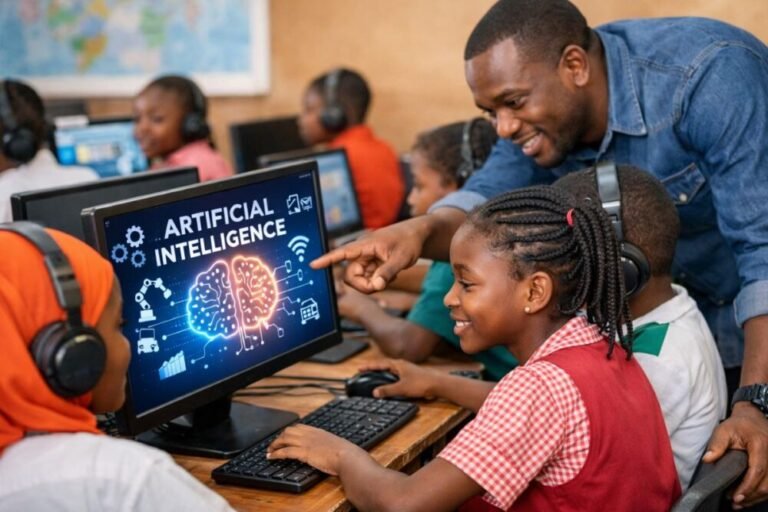

The growing use of digital devices in schools is changing how students learn, access information and complete assignments. However, as technology becomes a regular feature of classroom activities, educators face an important question: how can schools embrace digital learning without losing the benefits of traditional teaching methods?
For Nigerian schools, the answer lies in making technology serve education rather than allowing it to dictate how learning takes place. Computers, tablets and educational applications can make lessons more interactive, but textbooks, handwritten exercises, classroom discussions and direct engagement with teachers remain essential to developing strong academic foundations.
The debate is gaining attention internationally, with education experts calling for more deliberate decisions about classroom technology. According to a recent UNESCO analysis of appropriate technology use in education, digital tools can improve learning in suitable circumstances, but their benefits may disappear when they are overused or introduced without qualified teachers.
For schools, parents and policymakers, the challenge is not to choose between modern technology and conventional teaching. It is to understand when each approach works best and how the two can complement one another.
Digital learning must complement classroom teaching
Digital devices offer clear advantages when teachers use them to support specific learning objectives. Students can watch scientific demonstrations, explore interactive maps, access digital libraries and practise mathematics through educational software. These resources can make complex subjects easier to understand and give learners opportunities to revisit lessons at their own pace.
Technology also helps students develop skills required in a digital economy, including online research, data analysis and responsible use of artificial intelligence. Denying learners access to useful digital tools could leave them less prepared for further education and employment.
Nevertheless, having a device in the classroom does not automatically translate into better academic performance. Students can easily switch from educational content to games, social media and unrelated websites. Excessive screen use may also reduce opportunities for handwriting, sustained reading and face-to-face discussions.
A 2026 review of digital learning readiness by RAND researchers highlights the widespread adoption of digital instructional materials and the uncertainty teachers still face about their effectiveness. The central issue is how schools deploy these resources, not simply how many devices they purchase.
A practical approach is to make device use purposeful. Students could read printed passages, discuss their interpretations with classmates and then use computers to research additional information. Science teachers could combine practical experiments with digital simulations, while mathematics lessons could alternate between solving problems by hand and using software to check answers.
Teachers must also establish clear classroom rules. Personal smartphones should not become a constant source of interruption, and screen-free periods should be part of the school day. Regular breaks, outdoor activities and direct interaction with classmates can help maintain a healthier learning environment.
Also Read: Why Artificial Intelligence Is Making This One of the Most Important Eras for Teachers
Nigeria needs an inclusive approach to digital education
For Nigeria, balancing digital and traditional learning involves challenges beyond classroom discipline. Internet costs, unreliable electricity, inadequate equipment and differences between urban and rural schools can determine whether students benefit from technology at all.
A school with a well-equipped computer laboratory and reliable internet connection has opportunities that may not be available to a school operating with limited electricity and insufficient learning materials. Requiring every student to own a laptop or tablet could deepen these inequalities.
Nigeria’s National Educational Technology Strategy for 2025 to 2030 recognises the importance of infrastructure, teacher capacity, sustainable financing and equitable access. These priorities suggest that digital education requires more than distributing devices. Schools also need trained teachers, relevant learning content, technical support and dependable power supplies.
The Federal Government’s digital learning initiatives are also creating opportunities to widen access. In September 2026, the Nigerian Communications Commission announced a zero-rated access initiative for educational platforms, designed to allow eligible users to access approved educational resources without incurring data charges on those services.
Such interventions can reduce one barrier, but schools must still ensure that students have suitable devices, reliable connectivity and the guidance needed to use online resources effectively. Printed textbooks and classroom teaching remain particularly important where digital infrastructure is inadequate.
Back story
The debate over classroom technology has intensified following years of rapid digital adoption, particularly during the COVID-19 pandemic, when schools worldwide relied on online platforms to continue teaching.
As schools expanded their use of laptops and tablets, concerns emerged about distraction, screen time and the possible loss of traditional learning habits. Recent international discussions have therefore shifted towards more selective technology use.
A UNESCO report on technology in education argues that digital tools should support rather than replace teacher-led instruction and human interaction. For Nigerian education stakeholders, this principle offers a useful direction: invest in technology where it improves learning, preserve methods that build strong foundations, and evaluate success through students’ actual progress.
Ultimately, the best classroom is not necessarily the one with the most screens. It is the one where students learn to think critically, communicate clearly, solve problems independently and use technology responsibly.
Also Read: Can AI Explain Nigerian Science Lessons Correctly in Pidgin English?