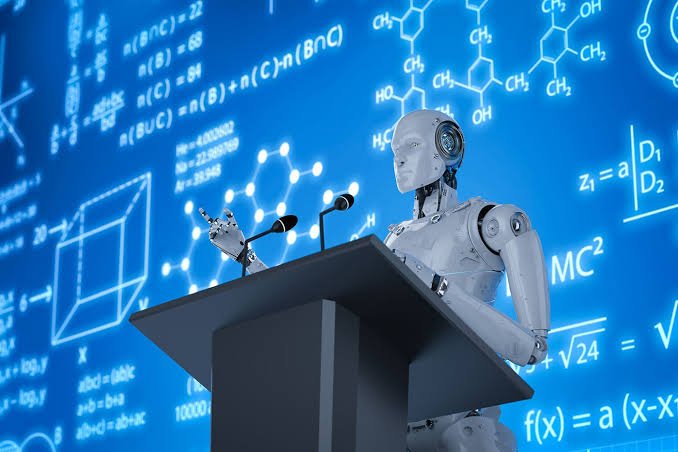

For years, many educators feared that artificial intelligence would eventually reduce the need for teachers in classrooms. As AI tools become more sophisticated and widely available, concerns about automation replacing human expertise have continued to grow.
However, emerging evidence from schools, universities and education researchers around the world suggests a different reality is unfolding. Rather than replacing teachers, AI is increasingly being used to support them, helping educators save time on routine tasks, personalise learning experiences and focus on the human aspects of teaching that technology cannot replicate.
Across the education sector, teachers are finding new ways to integrate AI into lesson planning, student assessment, content creation and administrative work. At the same time, experts argue that the growing presence of AI is making human skills such as empathy, mentorship, critical thinking and relationship building more valuable than ever before.
The result is a significant shift in how teaching is viewed in the digital age. Instead of becoming less relevant, teachers are emerging as the key figures responsible for ensuring that AI is used responsibly, ethically and effectively in education.
Recent data from the Education Week Research Center showed a sharp increase in AI adoption among educators. While just over one-third of teachers reported using AI tools in 2023, usage rose significantly by 2025, reflecting growing confidence in the technology’s ability to support classroom activities.
Many educators now use AI to generate lesson ideas, create quizzes, adapt materials for students with different learning needs and provide faster feedback. In some cases, teachers report saving several hours each week by automating repetitive administrative responsibilities.
Education experts say these efficiencies are allowing teachers to spend more time where they are needed most: engaging directly with students, identifying learning challenges and fostering meaningful classroom interactions.
Teachers Are Becoming More Valuable, Not Less
One of the biggest misconceptions surrounding AI in education is the belief that intelligent systems will eventually take over teaching responsibilities.
Researchers examining the future of education argue that the most effective model is not one in which AI replaces teachers, but one in which educators and technology work together. A recent study published in Frontiers in Education outlined scenarios for the future of AI in schools and concluded that the strongest outcomes emerge when teachers remain in control of educational decisions while AI serves as a support tool.
Teaching involves much more than delivering information. Educators motivate students, identify emotional struggles, manage classroom dynamics, encourage creativity and help young people develop social skills. These responsibilities require human judgment, empathy and understanding that technology cannot fully replicate.
Andreas Schleicher, a leading education expert, notes that society expects teachers to do far more than teach subject content. Teachers are expected to inspire students, foster inclusion, support diverse learners and build collaborative learning environments. These expectations become even more important as AI takes over routine tasks.
Many teachers are already using AI as a brainstorming partner rather than a replacement for professional expertise. Aspiring educators interviewed by the National Education Association reported using AI to generate ideas, explore teaching approaches and improve lesson preparation while still relying on their own judgment to make final decisions.
This growing partnership between human educators and intelligent technology is redefining teaching as a profession. Rather than spending countless hours on paperwork and repetitive tasks, teachers are increasingly able to focus on mentoring, coaching and guiding students through complex learning experiences.
The Opportunities and Challenges Facing Modern Classrooms
The rise of AI in education presents enormous opportunities, but it also creates new challenges that schools must address.
One major advantage is personalisation. AI systems can help teachers tailor learning materials to individual student needs, interests and learning speeds. Researchers studying AI-supported learning have found that personalised educational content can improve engagement and make lessons more relevant for students.
Google recently highlighted how AI-powered education tools are being designed to help teachers provide personalised learning experiences while maintaining educator oversight and protecting student privacy.
For students who require additional support, including those with special educational needs, AI can help teachers modify assignments and create learning resources more efficiently. Teachers participating in online discussions have described using AI to rewrite texts, adjust reading levels and provide customised materials for different learners.
Yet concerns remain.
Parents, educators and researchers continue to worry about overreliance on AI. A recent Deloitte survey found that many parents fear their children may become too dependent on AI tools for schoolwork, while others worry that schools have not yet developed clear guidelines for responsible AI use.
There are also concerns about academic integrity, misinformation and declining critical thinking skills. Researchers studying generative AI in education have warned that while the technology offers significant benefits, it can sometimes produce inaccurate information and may encourage shortcuts if not properly supervised.
Some teachers have expressed similar concerns, arguing that AI should enhance learning rather than replace genuine intellectual effort. Others stress that students must continue developing writing, reasoning and problem-solving skills independently.
Experts therefore recommend a balanced approach in which AI complements traditional teaching methods instead of replacing them. Microlearning strategies, interactive activities and teacher-led discussions remain essential components of effective education.
Back Story: How Fear of AI Shifted to a New Understanding of Teaching
When generative AI tools first entered public consciousness, many educators viewed them with caution.
Schools around the world struggled to determine how students should use AI. Teachers worried about plagiarism, automated essays and the possibility that machines might eventually make certain educational roles obsolete. Discussions about AI frequently centred on threats rather than opportunities.
As adoption increased, however, a more nuanced understanding began to emerge.
Educators discovered that AI was often most effective when used to handle repetitive tasks while leaving important educational decisions in human hands. Teachers could generate lesson plans faster, prepare differentiated materials more efficiently and spend more time interacting directly with students.
Research conducted in recent years has increasingly supported this collaborative model. Studies indicate that the future of education is likely to involve human-AI partnerships rather than teacher replacement. In this model, AI functions as an assistant while educators remain responsible for guiding learning, exercising professional judgment and nurturing student development.
This shift is particularly relevant for countries such as Nigeria, where teacher shortages, large class sizes and limited educational resources continue to present challenges. AI has the potential to help educators manage workloads more effectively while improving access to learning resources.
At the same time, education experts stress that no technology can replace the influence of a committed teacher who understands students’ backgrounds, aspirations and personal challenges. The human connection that exists between teachers and learners remains central to educational success.
As schools continue adapting to rapid technological change, one message is becoming increasingly clear: the age of artificial intelligence is not reducing the importance of teachers. Instead, it is highlighting just how essential they are.
In a world where information is available instantly, the role of teachers is evolving from simply delivering knowledge to helping students interpret information, think critically, make ethical decisions and navigate an increasingly complex digital society.
Far from signalling the decline of the teaching profession, the AI revolution may be ushering in one of the most influential and impactful periods in the history of education.
Also Read: Nigeria Elevates TVET as National Priority to Tackle Unemployment and Drive Economic Growth