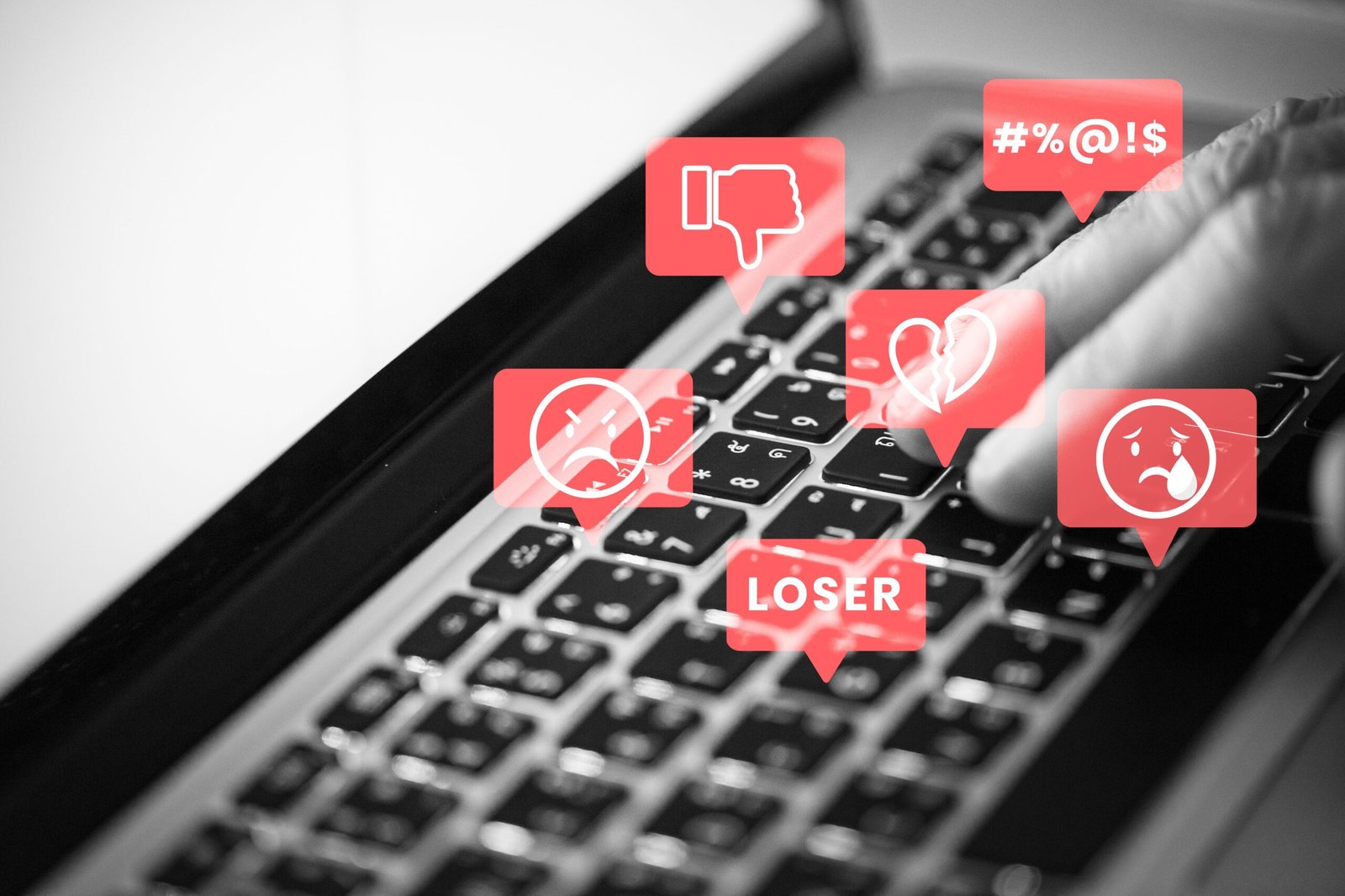

Social media has transformed how the world communicates. It has given ordinary people a voice, helped businesses grow, reunited families, exposed injustice and created opportunities that were unimaginable two decades ago. Yet beneath the likes, shares and viral trends lies a darker reality that many people would rather ignore—cyberbullying.
What was once dismissed as “just words on the internet” has become one of the most damaging consequences of the digital age. Behind anonymous accounts and phone screens, people insult strangers, spread rumours, mock appearances, threaten lives and dehumanise others with little regard for the emotional and psychological damage they leave behind.
The concerning part is that many perpetrators never see themselves as bullies. They call it “cruise,” “banter,” “trolling” or “having an opinion.” But words have consequences, especially when they are repeated by thousands of people and amplified by algorithms that reward outrage.
The world has seen countless examples of this cruelty. Before his death from colon cancer, actor Chadwick Boseman was relentlessly mocked online over his physical appearance, with many unaware that he was privately battling a terminal illness.
More recently, singer and actress Ariana Grande announced a temporary break from public life after enduring another wave of relentless criticism.
Another notable example is, content creator Nkubi and his wife have repeatedly spoken about receiving hateful comments and even death threats simply because their daughter was born with dwarfism. Their experiences differ, but they point to the same troubling reality: cyberbullying spares no one.
When Online Hate Becomes Real-Life Harm
Unlike traditional bullying, cyberbullying does not end when a person leaves school or work. It follows victims home, reaches them through their phones and can continue and go on to become a daily cycle. A single hateful post can be shared thousands of times within minutes, exposing victims to humiliation on a global scale.
Mental health experts have repeatedly linked sustained online harassment to anxiety, depression, low self-esteem and emotional trauma. In extreme cases, victims have taken their own lives after enduring prolonged abuse online. Families have been torn apart, careers damaged and reputations destroyed—not because of proven wrongdoing, but because internet mobs decided someone deserved punishment.
The normalisation of online cruelty has also created a dangerous culture where empathy is often seen as weakness. People compete for the funniest insult, the harshest criticism or the most viral takedown, forgetting that there is a real human being reading those comments.
Read Also: Bovi Ugboma – I Relocated my Kids Abroad because of Bullying
Choosing Empathy Over Engagement
Technology itself is not the problem. The real issue is how people choose to use it. Every comment posted online is a decision. Every insult, rumour or threat is a conscious choice made by someone who may never have the courage to repeat those words face to face.
Social media platforms have a responsibility to strengthen moderation and remove abusive content promptly, but users also have a duty to make the internet safer. Before posting a comment, ask a simple question: would you say these words if the person were standing in front of you?
The internet has connected the world in remarkable ways. It should not become a place where cruelty is celebrated and compassion is forgotten. If we continue to excuse cyberbullying as entertainment, we risk creating an online culture where nobody feels safe, and where the next victim could be anyone—including someone we love.