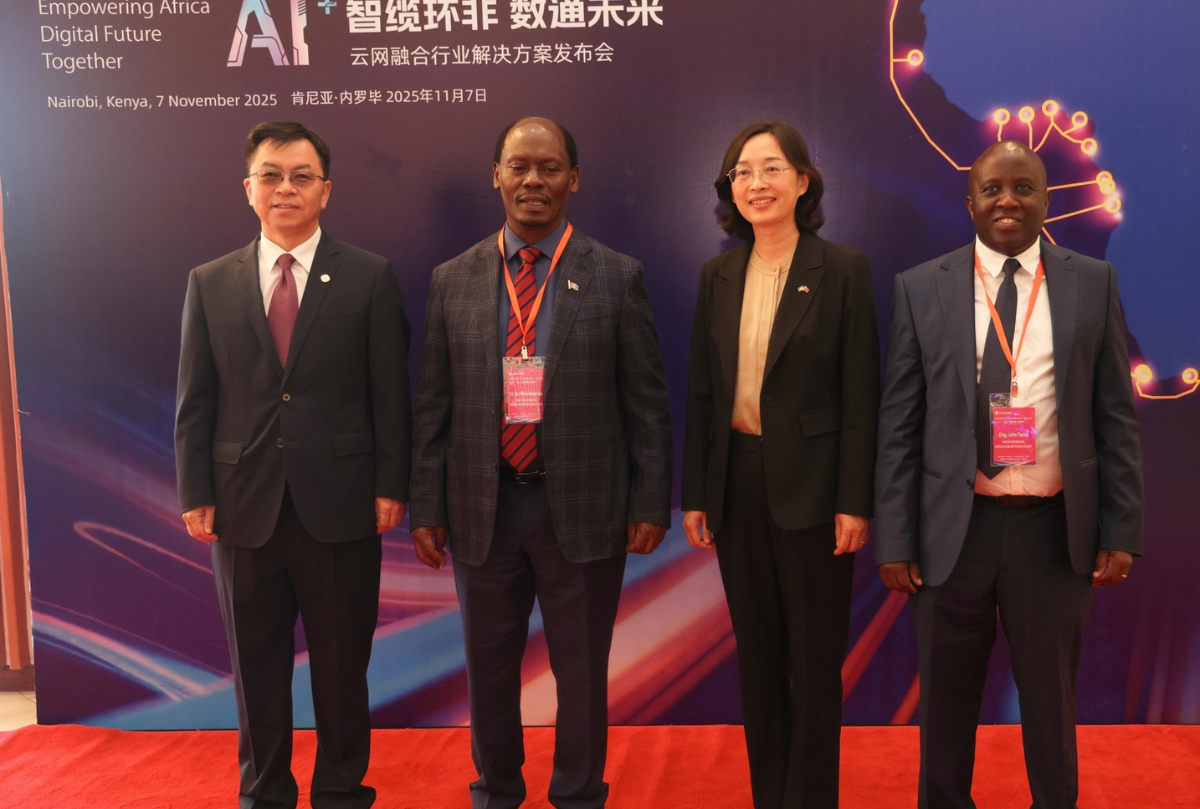
In a significant stride for Africa’s digital future, Nigerian observers and sector watchers will note that China Mobile International (CMI) has officially brought the “East” segment of the 2Africa subsea fibre-optic cable into active service. The activation ceremony, held in Kenya’s capital Nairobi, underscores a broader transformation of Africa’s internet infrastructure, promising far-reaching impacts across the continent.
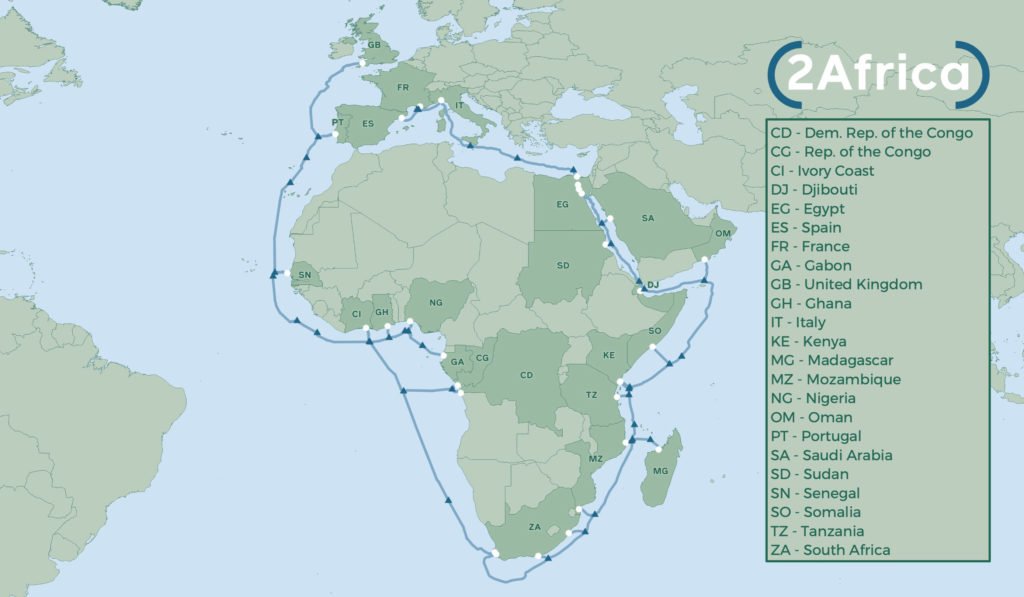
CMI describes the moment as a milestone for connectivity — not just for Kenya, but for the region as a whole. At the heart of the announcement is this vision: a network that links Africa more robustly with Europe and Asia, boosting cross-border digital flows, business opportunities and data resilience. The 2Africa system, already recognised as one of the world’s largest subsea cable systems, connects 33 countries and spans tens of thousands of kilometres.
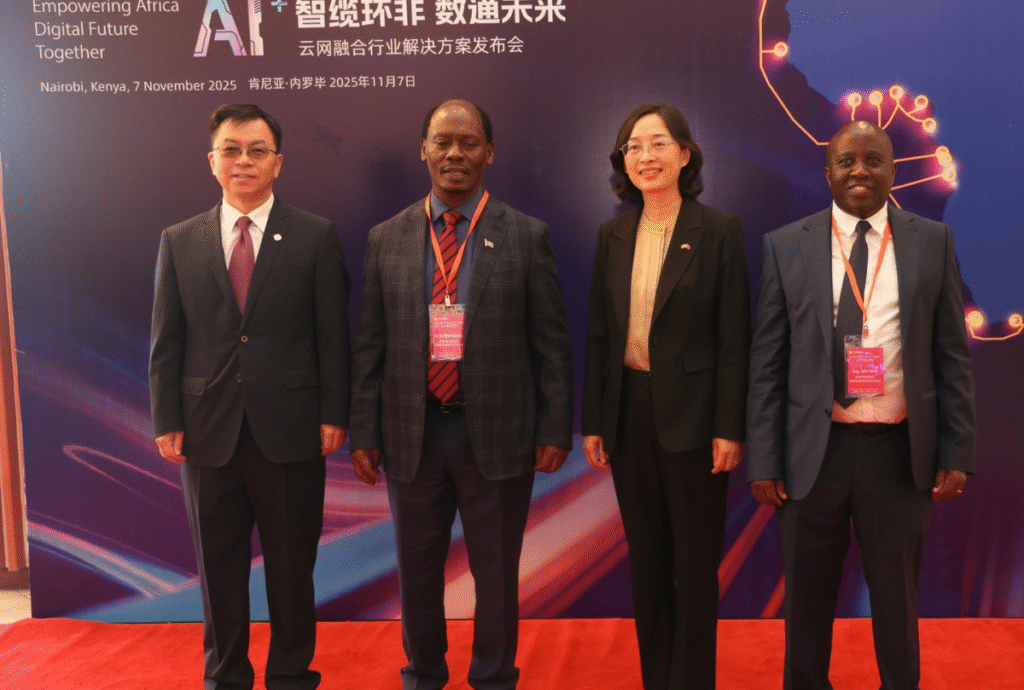
Among the invited guests at the Nairobi event were Kenya’s ICT and Digital Economy Principal Secretary, Eng. John Tanui, the Chinese Ambassador to Kenya, senior executives from China Mobile, and local industry stakeholders — a clear symbol of bilateral cooperation in play.
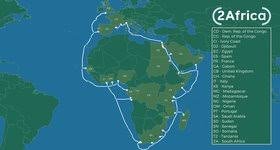
Table of Contents
Why The 2Africa East Submarine Cable Matters
At a time when digital services are increasingly central to education, banking, government administration and commerce, the activation of this cable segment is a game-changer. The 2Africa network is built with cutting-edge technology — for example, it uses spatial division multiplexing (SDM) to boost capacity.
The design capacity for key parts of the system is up to 180 terabits per second (Tbps) — a vast jump from many existing cables serving the continent.
For Kenya in particular, this means a strengthened “digital backbone.” Official remarks at the launch pointed to Kenya’s own national Fibre-optic roadmap — the so-called Digital Superhighway and Creative Pillar agenda — which aims to deploy 100,000 km of national fibre, establish 25,000 public Wi-Fi hotspots and build ICT hubs in every ward.
From a Nigerian perspective, the ripple effects can be significant: faster, more reliable regional connectivity, lower latency and greater capacity to support services such as cloud computing, regional data centres, and digital exports. In a world where digital trade is growing, this infrastructure forms part of the bedrock.
What to Watch for with the 2Africa: Regional Advantages and Risks
The region stands to gain in several ways:
- Improved connectivity: For East African nations, landing a high-capacity cable adds redundancy and robustness to networks that previously may have relied on fewer links.
- Economic growth: With higher bandwidth and better connectivity, businesses — from fintechs to e-commerce platforms — can scale more confidently. Digital inclusion is pushed forward when remote and underserved areas can tap into stronger links.
- Strategic positioning: Kenya and its neighbours position themselves as digital hubs. For Nigeria and West Africa, there’s an impetus to match or partner in similarly high-capacity backbone systems, to avoid becoming bottlenecks.
However, there are risks and caveats to keep in mind:
- Cost pass-through: Just because the cable exists doesn’t mean access becomes automatically cheap. The pricing and access terms will determine how much benefit filters down to users.
- Last-mile challenge: A submarine cable delivers to coastal landing stations, but much depends on the national and regional terrestrial networks to distribute connectivity inland. Without investment there, many regions may not feel the benefit.
- Geopolitical and operational risk: Submarine cables face physical challenges (from ship anchors, seismic events, piracy), regulatory concerns and sometimes national-security scrutiny. The success of 2Africa will depend on strong cross-border cooperation and maintenance regimes.
The Bigger Picture: Africa’s Digital Infrastructure Race
This activation of 2Africa is far more than a local event — it speaks to Africa’s broader digital infrastructure trajectory.
The 2Africa cable, eventually spanning around 45,000 km and linking 46 landing stations across Africa, Europe and Asia, is positioned as the longest subsea cable network ever built.
Participants include major global telecom and tech names: China Mobile International, Meta Platforms (formerly Facebook), Orange S.A., Vodafone Group Plc, WIOCC, and others.
For Nigeria, and West Africa more broadly, the implication is clear: digital infrastructure is no longer optional — it’s a necessity for economic competitiveness and technological sovereignty. As high-capacity cables land in East Africa and other regions, Nigeria needs to ensure that equivalent terrestrial links, data centres, policy frameworks and human-capital development are in place so that we’re not just end-users but active participants.
Of particular note is the open-access model emphasised by the 2Africa consortium: each investor will have the freedom to pick its landing and SLTE arrangements, which can facilitate competition and lower costs.
Looking Ahead: What Comes Next
With the East segment live, attention now turns to what this means on the ground and across the region:
- Deployment inland: Kenya and its partners must ensure that the high-capacity landing is matched by fast rollout of fibre networks inland, to ensure towns and rural areas can benefit.
- Regional interconnectivity: Other East African states (Tanzania, Uganda, Rwanda, South Sudan) may link into this backbone, boosting regional digital corridors.
- West Africa linkage: Nigeria should monitor and perhaps accelerate its own submarine and terrestrial cable projects so that when traffic grows, we’re ready rather than playing catch-up.
- Service innovation: With a reliable backbone, services such as remote education, cloud-based industries, digital health, fintech and local data centres can scale more effectively.
- Policy and regulation: Governments will need frameworks that ensure fair access, local-content development, data-protection safeguards and infrastructure-sharing regimes.
In my personal view, having spent time observing digital infrastructure roll-outs in Africa, this moment feels like a turning point. Ten years ago, landing stations and high-speed fibre were rare luxuries. Now, we’re entering a phase where Africa can host global-scale internet infrastructure — not simply consume it. That means local talent, local enterprise and local ambition are more important than ever.
For Nigeria in particular, this development in East Africa is a wake-up call. With a population of over 200 million and a flourishing tech ecosystem, we must ensure our connectivity isn’t constrained by outdated links or lagging infrastructure. If we can tap into this new wave — by investing in landing stations on the Nigerian coast, expanding fibre inland, supporting data-centre development and enabling digital startups — we position ourselves not just as beneficiaries but as drivers.
Conclusion
While the ceremonial switch-on in Nairobi may have seemed symbolic, in fact, it marks a major operational shift. The 2Africa East segment being live under China Mobile’s activation means the continent is moving faster towards a digitally connected future. For Nigeria and the region, we should be watching, preparing and ensuring we’re part of the backbone — not just riding it.
Let me know if you’d like a breakdown of how this could affect Nigeria specifically — for example, submarine-cable economics, local data-centre opportunities or regulatory actions.
Join Our Social Media Channels:
WhatsApp: NaijaEyes
Facebook: NaijaEyes
Twitter: NaijaEyes
Instagram: NaijaEyes
TikTok: NaijaEyes