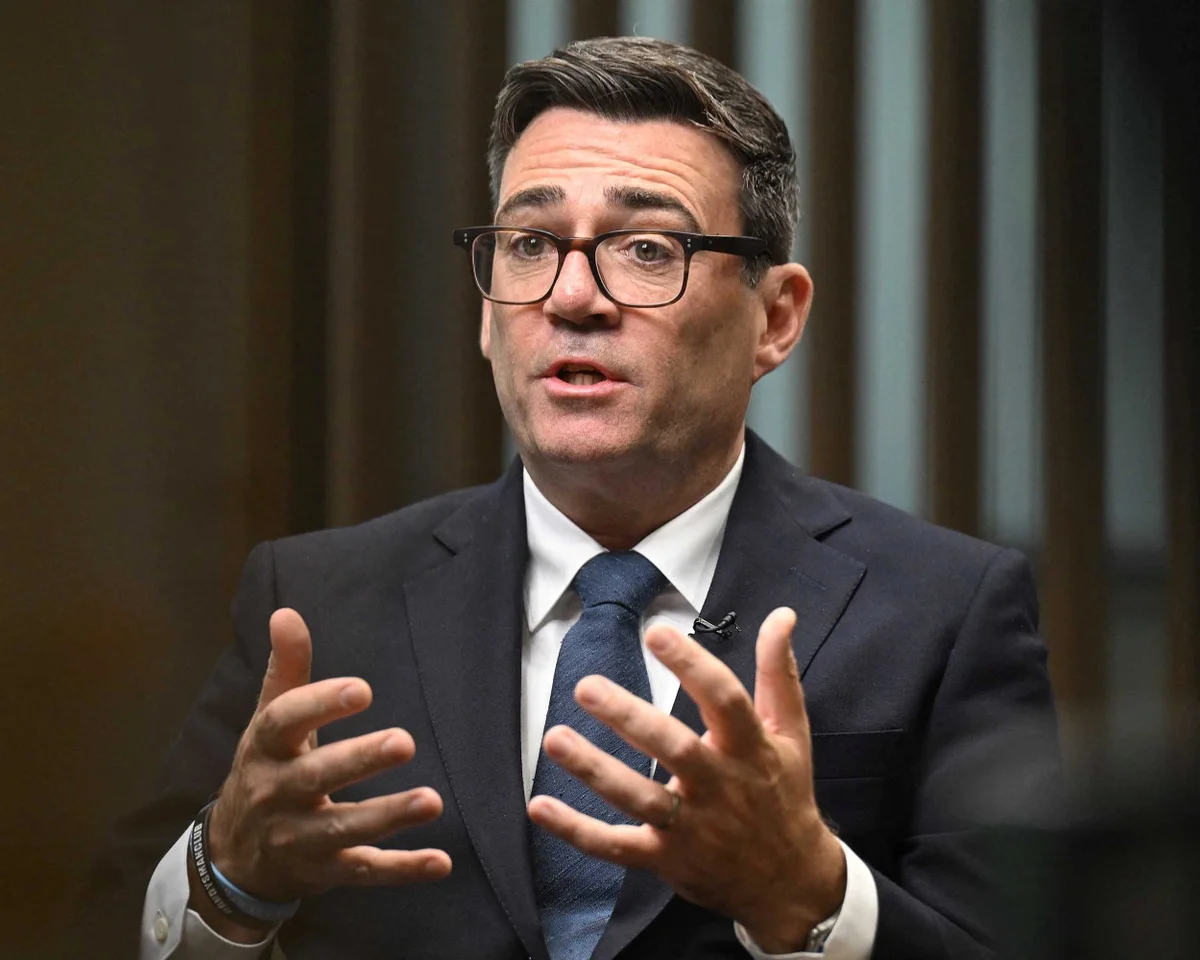

To strengthen preparedness against the intensifying impacts of global warming, British Prime Minister Andy Burnham announced on Thursday the establishment of a dedicated “climate security” special envoy—the first role of its kind globally.
Addressing delegates at the UN’s COP31 climate summit in Antalya, Turkey, the Labour leader reflected on having to manage the worst wildfires in British history during his initial three weeks in office this past summer.
“I decided then it was important for me to be here to show British leadership in a world where climate issues have taken too much of a backseat,” said Burnham, who was the only G7 leader attending the summit.
On November 11, 2026, UN Secretary-General António Guterres delivers an address during the High-Level Segment for Heads of State and Government at the 31st United Nations Climate Change Conference (COP31), held at the Antalya Expo Center in Antalya.
Driven by a succession of severe heatwaves and wildfires, Britain and the broader Western European region experienced their hottest summer on record, resulting in tens of thousands of heat-related excess deaths across the continent.
“Climate is a national security issue,” Burnham said.
“As evidence of that, I am today announcing the appointment of Dame Madeleine Alessandri as the first UK special representative for climate security,” he said.
Backstory…
The United Kingdom’s appointment comes amid growing recognition that climate change is not only an environmental challenge but also a threat to national and international security.
Extreme weather events, including prolonged droughts, floods, wildfires and rising temperatures, are increasingly linked to food shortages, displacement, economic instability and competition over scarce resources.
The issue has gained attention following warnings from security experts that climate-related pressures could worsen existing conflicts and create new threats.
A UK Joint Intelligence Committee assessment reportedly identified risks including food insecurity, mass migration and conflict between countries as the effects of global warming intensify.