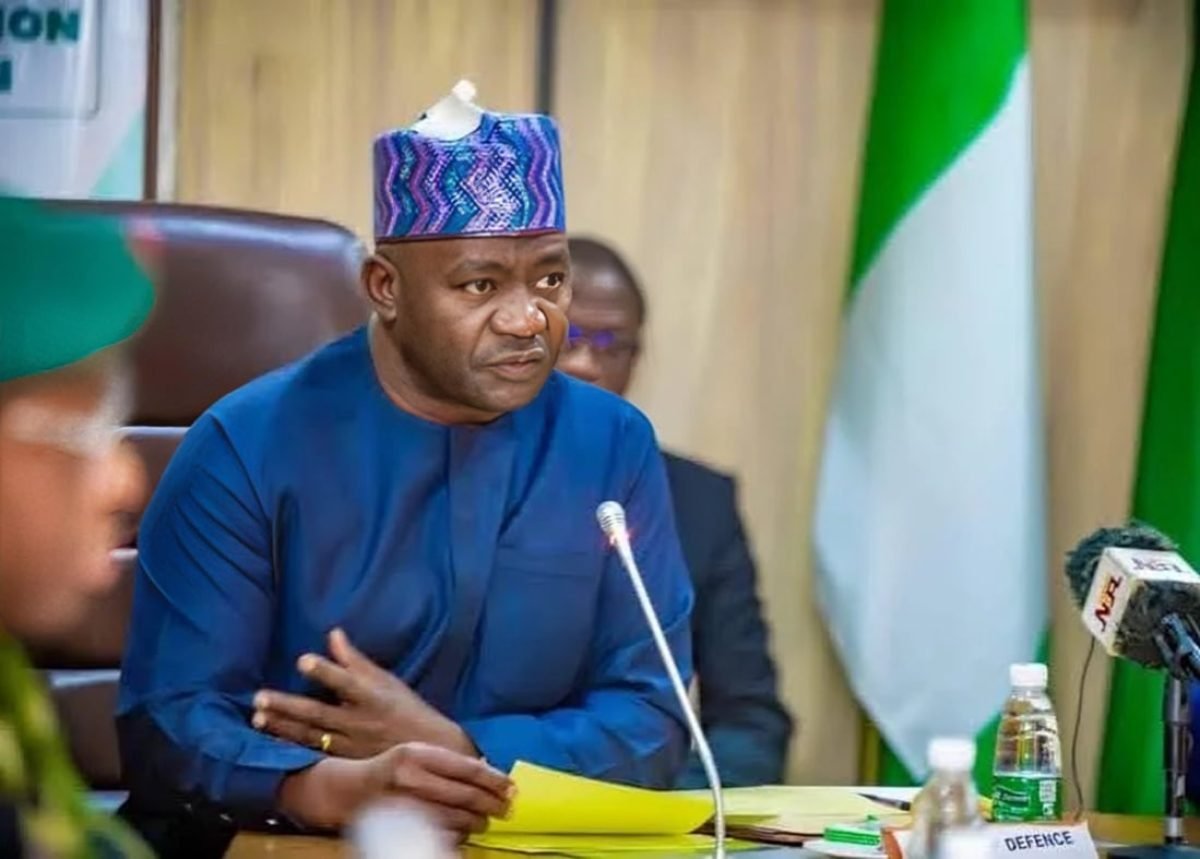
Nigeria’s Defence Minister, Christopher Gwabin Musa, has summoned the nation’s top military commanders to an urgent meeting in Abuja amid growing concerns about worsening insecurity across the country. The move comes as fresh attacks on military positions and civilian communities raise new questions about the effectiveness of ongoing security operations.
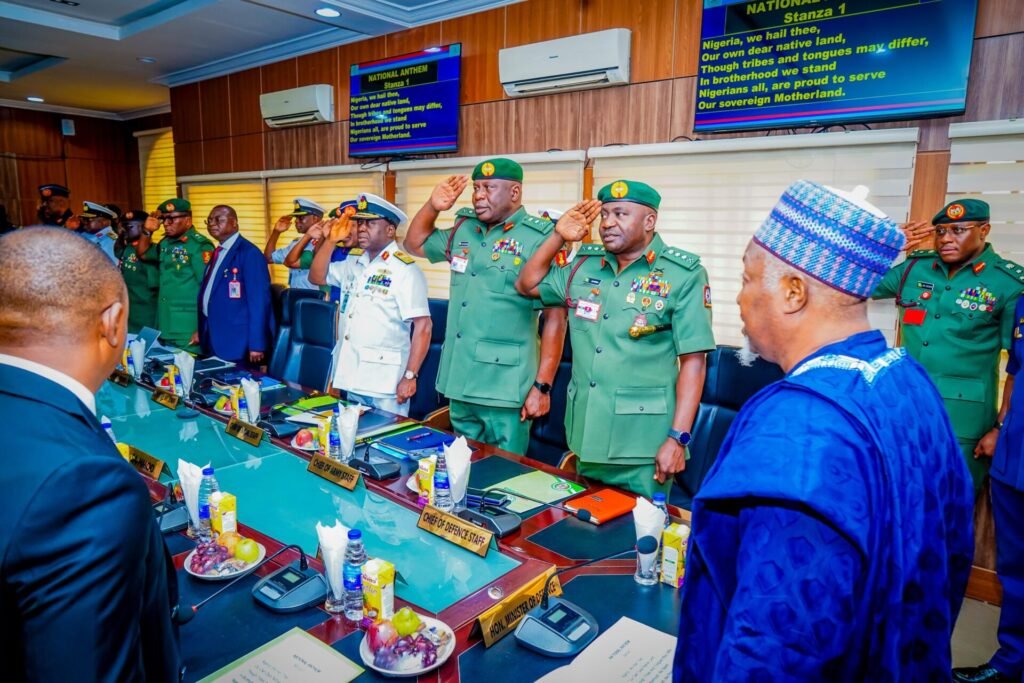
The meeting, held at the Ministry of Defence headquarters in Abuja, brought together the country’s key security leaders, including the Chief of Defence Staff, the heads of the Army, Navy and Air Force, as well as representatives of intelligence agencies. According to officials familiar with the development, the gathering was convened to review recent security incidents and chart a stronger strategy for tackling the threats facing Nigeria.
Across several regions, Nigeria has continued to face a complex web of security challenges. These include terrorist insurgency in the North East, bandit attacks in the North West, farmer-herder clashes in parts of the Middle Belt, and kidnapping networks operating in several states. The surge in incidents has heightened public anxiety and placed renewed pressure on the military leadership to deliver results.
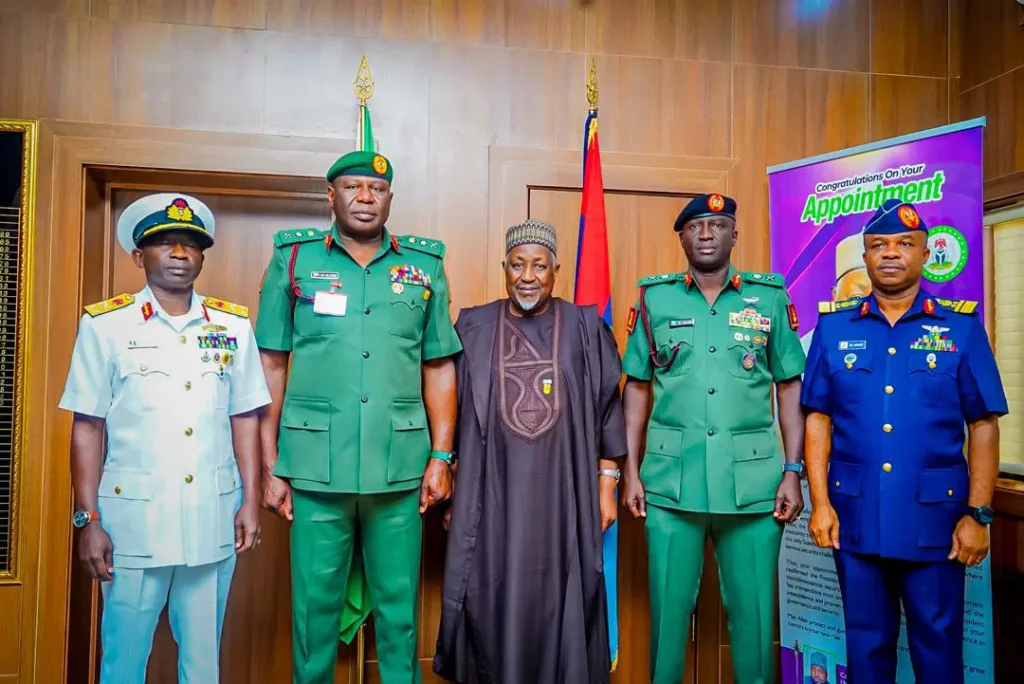
Table of Contents
Urgent Security Review at Defence Headquarters
Sources within the security establishment say the Defence Minister called the meeting to obtain direct briefings from the service chiefs on recent operational setbacks and the broader security environment.
Recent reports indicated that some military bases had come under attack, prompting concern at the highest levels of government. Officials say the emergency consultation was intended to review the situation and ensure that the armed forces respond decisively.
Those in attendance reportedly included the Chief of Defence Staff, the Chief of Army Staff, the Chief of Naval Staff and the Chief of Air Staff. Intelligence officials and senior commanders involved in field operations were also represented at the meeting.
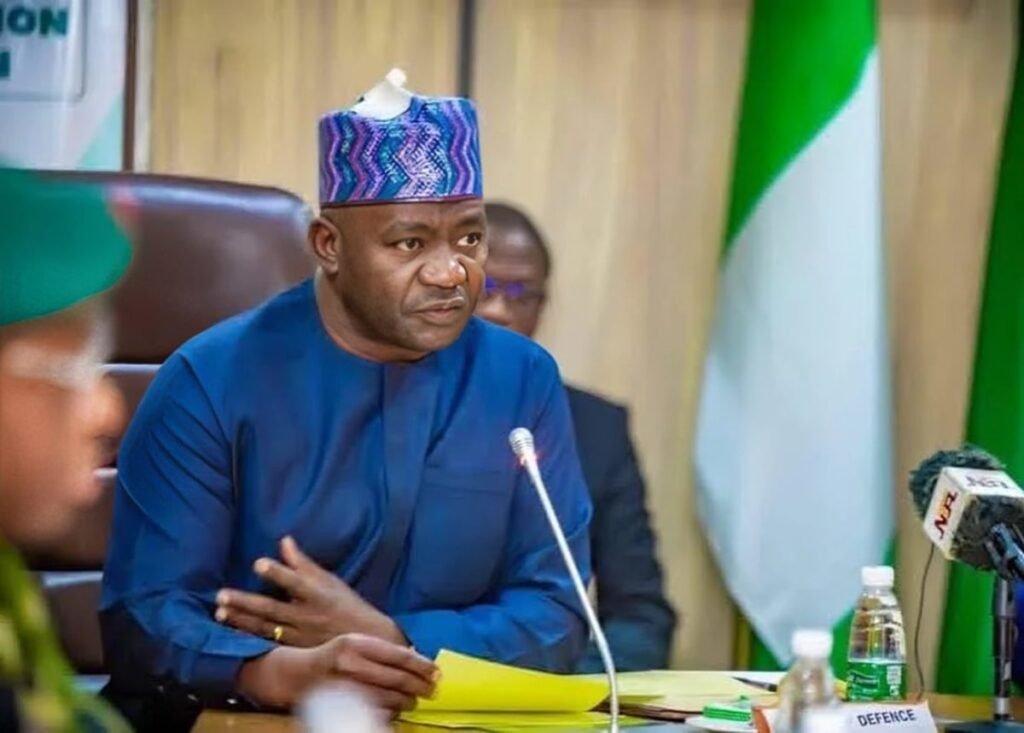
The Defence Minister is said to have demanded a comprehensive assessment of ongoing operations and asked commanders to present updated strategies to address the evolving threats. Security experts say such meetings are often used to coordinate operations between different branches of the armed forces and intelligence agencies.
In Nigeria’s security architecture, collaboration between these institutions is considered crucial because many of the threats facing the country cut across multiple regions and require joint military and intelligence responses.
The closed-door meeting also provided an opportunity to evaluate the effectiveness of recent deployments and identify areas where additional resources or operational adjustments may be required.
Nigeria’s Complex Security Landscape
Nigeria’s security challenges have deepened over the past decade as multiple armed groups operate across different parts of the country. In the North East, insurgent groups such as Boko Haram and factions aligned with the Islamic State continue to carry out attacks on military and civilian targets.
Meanwhile, bandit groups operating in the North West have intensified raids on rural communities, often abducting residents for ransom. These attacks have led to widespread displacement and humanitarian concerns in several states.
In some regions, criminal networks involved in illegal mining, arms trafficking and kidnapping have also expanded their activities, further complicating security operations.
Recent clashes in Katsina State illustrate the scale of the challenge. According to officials, Nigerian troops killed dozens of militants during an intense confrontation after armed groups attempted to raid local communities. The confrontation highlighted the persistent threat posed by armed bandits and insurgent factions operating in the region.
Analysts say the evolving nature of these threats has forced the military to adapt its operational strategies. Unlike conventional warfare, many of these groups operate in small, mobile units that can quickly move across forests and rural terrain.
As a result, the Nigerian armed forces must combine intelligence gathering, rapid deployment and collaboration with local communities to effectively counter such groups.
Pressure on Military Leadership to Deliver Results
The emergency meeting also reflects growing expectations from the public and government officials for stronger results in the fight against insecurity.
In recent months, Nigeria’s leadership has repeatedly emphasised the need for security agencies to intensify their operations and restore confidence among citizens.
The current service chiefs were appointed as part of a broader restructuring of Nigeria’s military leadership aimed at strengthening the country’s security architecture. The changes followed concerns about the pace of progress in addressing threats such as terrorism and banditry.
With new commanders now in place, attention has turned to how quickly the armed forces can stabilise affected areas and reduce the frequency of attacks.
Security analysts note that leadership meetings like the one convened by the Defence Minister often serve as a platform to reassess strategies and introduce new operational directives.
In addition to military operations, experts say long term security solutions will require stronger coordination between federal and state governments, improved intelligence sharing and investments in community policing.
The challenge, they say, is not only defeating armed groups but also addressing the conditions that allow them to operate, including poverty, unemployment and weak governance in some rural areas.
Renewed Focus on Coordinated Military Strategy
For the Defence Minister, the meeting with service chiefs represents part of a broader effort to strengthen coordination among Nigeria’s security agencies.
Since assuming office in December 2025, Musa has emphasised the need for unified action in tackling security threats. His background as a former Chief of Defence Staff has given him firsthand experience of the operational challenges faced by the armed forces.
Observers say this experience may influence his approach to leadership at the ministry, particularly in ensuring that strategic decisions are closely aligned with field operations.
During the meeting, officials say discussions focused on improving intelligence driven operations, strengthening military presence in vulnerable areas and enhancing cooperation with other security agencies.
There were also indications that the armed forces may intensify surveillance and targeted operations against known militant strongholds.
Security experts believe that sustained collaboration between the Army, Navy and Air Force will be critical to achieving lasting results.
For example, aerial surveillance by the Air Force can help identify insurgent movements, while ground troops conduct targeted operations. Naval units also play a key role in securing waterways and preventing arms smuggling along coastal areas.
By integrating these capabilities, military planners hope to disrupt the operations of armed groups and prevent further attacks on both civilians and military personnel.
A Critical Moment for Nigeria’s Security Response
The decision to summon the service chiefs underscores the urgency of Nigeria’s security challenges and the government’s determination to confront them.
Across the country, communities affected by violence continue to call for stronger protection and faster responses from security forces.
While the outcome of the latest meeting has not yet been made public, analysts believe it could signal the beginning of renewed military efforts aimed at reversing the current trend of attacks.
For many Nigerians, the key question remains whether these renewed strategies will translate into tangible improvements on the ground.
The stakes are high. Nigeria’s stability and economic development depend heavily on the ability of the state to maintain security and protect its citizens.
As the country grapples with a complex mix of insurgency, banditry and organised crime, the coordination between political leadership and military commanders will likely remain a decisive factor in determining the path forward.
With the Defence Minister now directly engaging the service chiefs, expectations are rising that Nigeria’s security agencies will intensify their operations and deliver measurable progress in restoring peace across the country.
Join Our Social Media Channels:
WhatsApp: NaijaEyes
Facebook: NaijaEyes
Twitter: NaijaEyes
Instagram: NaijaEyes
TikTok: NaijaEyes