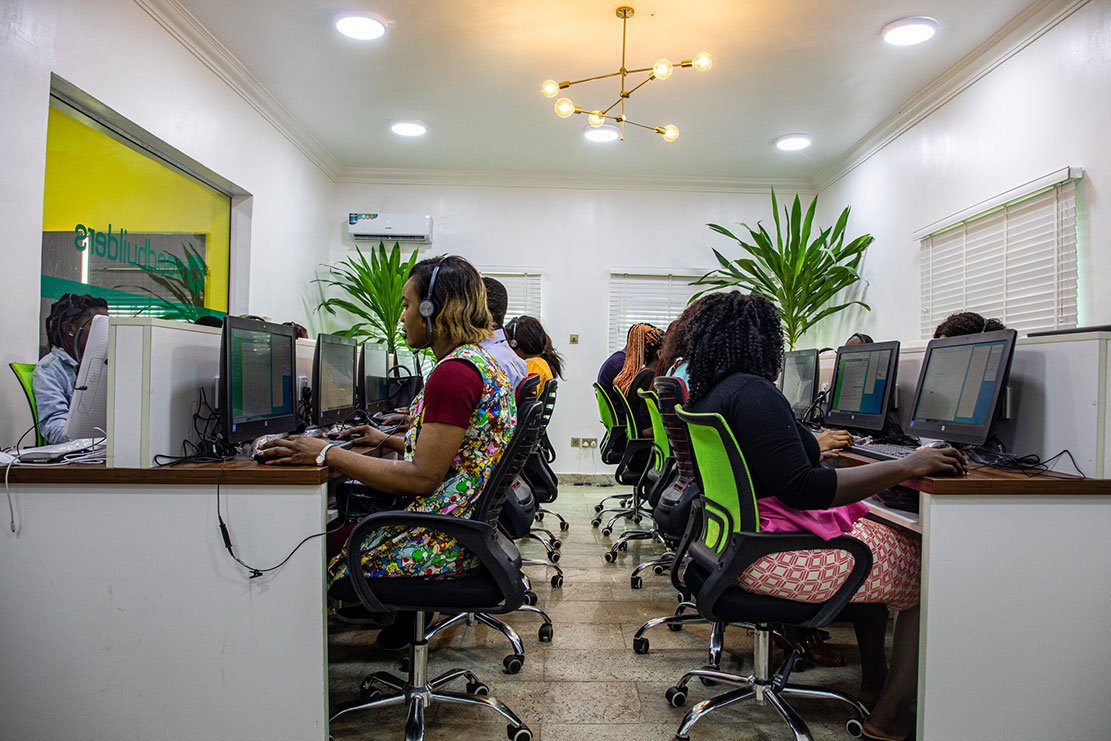
Nigeria’s push towards a knowledge-driven economy is receiving a fresh boost as an ICT training provider rolls out a new initiative aimed at bridging the digital divide and equipping more citizens with future-ready skills.
At a time when digital competence is fast becoming a requirement rather than an advantage, the expansion of training access signals a shift from urban-centred learning to a more inclusive, community-based model. For many young Nigerians and working professionals, this move represents more than just another training centre. It is an opportunity to finally access globally recognised tech education without the burden of distance, cost, or limited infrastructure.
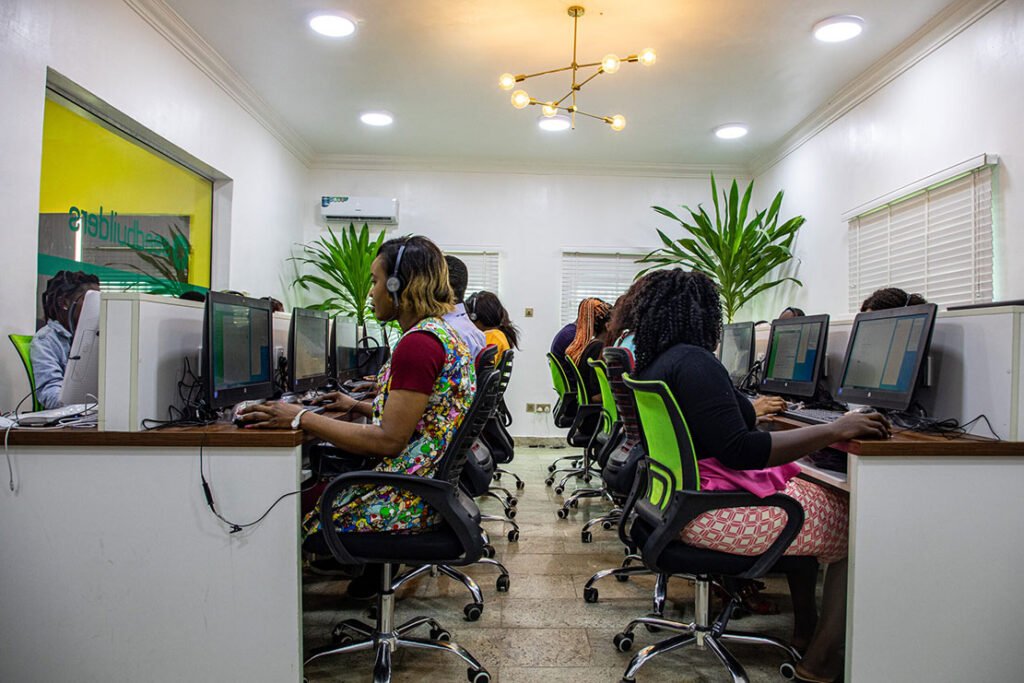
The initiative, which saw the unveiling of a new training centre in the outskirts of Lagos, is designed to serve a wide network of surrounding communities that have historically been left out of Nigeria’s growing digital economy.

Bridging the Digital Divide Through Local Access
For years, access to structured ICT education in Nigeria has been uneven. While major cities like Lagos and Abuja have enjoyed a concentration of training hubs and innovation centres, semi-urban and peri-urban communities have often been excluded.
This new development aims to change that narrative.
By situating the centre within reach of communities such as Alagbado, Iju-Ishaga, Isheri, and other densely populated areas, the organisation is effectively decentralising access to digital learning. Residents who once had to commute long distances or abandon their ambitions due to logistical challenges can now access training within their environment.
The significance of this cannot be overstated. In a country where transportation costs and time constraints can discourage skill acquisition, proximity becomes a powerful enabler. It removes one of the biggest barriers to entry and opens the door for more participation, particularly among youths and mid-career professionals seeking to pivot into tech.
There is also a subtle but important cultural shift taking place. When digital training centres become embedded within communities, they begin to normalise tech education. What once felt distant or unattainable starts to look practical and achievable.
From Basic ICT to Advanced Digital Capabilities
What makes this expansion particularly relevant is the nature of the training being offered. The curriculum goes beyond basic computer literacy and dives into high-demand, globally competitive skills.
Courses available at the centre include cybersecurity, web development, artificial intelligence, full-stack development, and graphic design, alongside internationally recognised certifications such as CompTIA programmes.
This reflects a broader shift in Nigeria’s digital education landscape. The focus is no longer just on introducing people to computers but on preparing them for real participation in the global digital economy.
Cybersecurity skills, for instance, are increasingly critical as Nigeria grapples with rising cyber threats and the need for stronger digital infrastructure. Artificial intelligence, on the other hand, is shaping industries worldwide, and early exposure positions Nigerian talent to compete on a global scale.
The inclusion of certification-based training also adds credibility and employability. In a competitive job market, having internationally recognised credentials can make the difference between being overlooked and being hired.

Scaling Impact Across Schools and Institutions
The organisation behind this initiative is not new to Nigeria’s tech education space. Over the years, it has built a significant presence, partnering with universities, secondary schools, and corporate organisations.
Currently, it delivers ICT training services to more than 30 universities and nearly 200 secondary schools across the country.
This multi-level engagement is crucial. By integrating digital skills training into both formal education and professional development, the impact becomes more sustainable. Students are introduced to technology early, while professionals can upgrade their skills to remain relevant.
The numbers also tell a compelling story. With over 100,000 individuals trained annually across various platforms, the organisation is contributing significantly to Nigeria’s growing pool of digital talent.
This aligns with national priorities. The Federal Government, through initiatives such as the 3 Million Technical Talent programme, aims to train millions of Nigerians in digital skills by 2027, positioning the country as a global exporter of tech talent.
Private sector efforts like this complement government programmes, creating a more robust and diversified training ecosystem.
Recognition and Global Alignment
Another factor reinforcing the credibility of this initiative is its global connection. As part of an international network operating in over 90 countries, the organisation brings global best practices into the Nigerian context.
Its recognition as a leading ICT training provider, including receiving a major industry award in 2025, highlights its influence and consistency in delivering quality training.
This global linkage matters because technology is inherently borderless. Training programmes that align with international standards ensure that Nigerian learners are not just prepared for local opportunities but are also competitive on the global stage.
For many young Nigerians, this could translate into remote work opportunities, international collaborations, and access to global tech ecosystems without leaving the country.
The Bigger Picture of Digital Skills in Nigeria
This latest development fits into a much larger narrative. Across Nigeria, there is a growing recognition that digital skills are central to economic growth, job creation, and national competitiveness.
Partnerships between global tech companies and local organisations are already accelerating this momentum. For example, collaborations aimed at expanding artificial intelligence skills training are positioning Nigeria as a key player in Africa’s digital future.
Projections suggest that AI alone could contribute billions of dollars to Nigeria’s economy in the coming years, provided the country invests adequately in skills development.
At the same time, initiatives targeting young people, including large-scale training programmes and community-based learning platforms, are helping to democratise access to digital knowledge.
What is becoming clear is that no single effort can close the skills gap. It requires a combination of government policy, private sector investment, and grassroots initiatives.
Why This Matters for Everyday Nigerians
Beyond policy discussions and economic projections, the real impact of digital skills expansion is felt at the individual level.
For a young graduate struggling to find employment, learning web development or data analysis could open doors to freelance work or remote jobs. For a small business owner, digital skills can improve operations, marketing, and customer engagement.
Even for those outside the traditional tech space, basic digital competence is increasingly essential. From online banking to digital communication, technology is now woven into daily life.
By bringing training closer to communities, this initiative reduces the gap between opportunity and access. It gives more Nigerians a fair chance to participate in the digital economy.
There is also a ripple effect. As more individuals acquire digital skills, they contribute to local innovation, support small businesses, and drive economic activity within their communities.
A Step Towards Inclusive Digital Growth
Nigeria’s digital future will not be defined solely by major cities or elite institutions. It will depend on how effectively opportunities are distributed across all regions and demographics.
The expansion of digital training centres into underserved areas is a step in the right direction. It reflects a growing understanding that inclusion is not just a social goal but an economic necessity.
As more organisations adopt similar approaches, the country moves closer to building a truly inclusive digital ecosystem where talent can emerge from anywhere.
For now, the opening of this new centre is more than just an infrastructure milestone. It is a signal of intent, a commitment to ensuring that the benefits of technology reach beyond the usual boundaries.
And for many Nigerians, it could be the beginning of a journey into a world of new possibilities powered by digital skills.
Join Our Social Media Channels:
WhatsApp: NaijaEyes
Facebook: NaijaEyes
Twitter: NaijaEyes
Instagram: NaijaEyes
TikTok: NaijaEyes