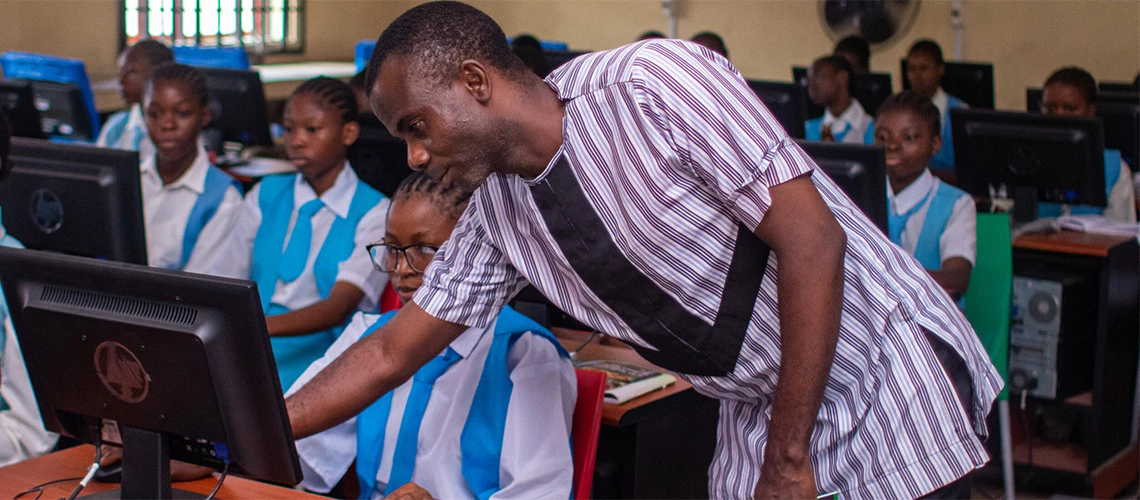
Africa’s education systems have made progress in getting more young people into classrooms, but enrolling in school is not the same as learning what the world of work requires. Despite rising school attendance, basic skills such as reading, writing, numeracy, and practical job competencies remain weak across much of the continent. Millions of African youths finish school unprepared for the realities of employers, industries, and entrepreneurship. This has a profound effect on individuals, families, communities, and national development. Without meaningful knowledge and skills, young Africans confront barriers to secure jobs, build businesses, and contribute fully to their societies. This education challenge is not just an academic concern. It is an economic and social issue that affects the future of the continent’s most valuable resource its youth population.
Africa has the youngest population in the world. With close to six in every ten people under the age of 25, the continent is home to a vast reservoir of potential labour, creativity, and innovation. Each year, more than ten million young people join the labour market, yet far too many remain unemployed or stuck in informal work with low income and limited security. This disconnect between education and employment traps many young people in poverty and fuels frustration, inequality, and brain drain as skilled graduates seek opportunities abroad.
Too often, reform efforts led by governments focus on centralised changes that do not address these realities. When curriculum reviews and new systems are introduced from the top down without input from teachers, business leaders, students, and communities, the result can be graduates whose skills do not match the needs of modern industries. This calls for a shift in how education reform is designed and implemented, ensuring it is responsive to real-world demands and prepares young Africans for meaningful and sustainable pathways.

Table of Contents
Aligning Schools With Real Job Needs
To address these persistent gaps, education policy must move towards a market-driven approach. Such an approach recognises that schools and universities cannot work in isolation from industry demands. Instead, education systems must be in constant dialogue with employers, innovators, and community leaders to equip students with skills that are both current and future-ready.
In practice, this means technical and vocational education institutions should collaborate closely with companies in sectors such as construction, technology, agriculture, manufacturing, and services. By doing so, curricula can be co-designed so students graduate with competencies that employers genuinely need. Countries like Ghana are already exploring models where community technical institutes partner with private firms to give students hands-on exposure. These kinds of partnerships offer lessons that other nations can adapt and scale across the continent.
Creating stronger links between education and employment also opens the door for more internships, apprenticeships, and industry placements. For students, this translates into real-world experience that builds confidence, professional habits, and technical expertise. For employers, it expands the talent pipeline and encourages investment in youth skills development. When education becomes more aligned with market needs, young Africans are better positioned to launch careers and start enterprises that contribute to economic growth.

Cultivating Innovation and Enterprise
Tackling unemployment requires more than matching skills to existing jobs. It demands that education nurtures a mindset of innovation and agency among young people. Africa cannot rely solely on formal corporate jobs or public sector employment to absorb its youthful workforce. Instead, education must encourage creativity, critical thinking, problem solving, and entrepreneurial action.
Embedding subjects such as financial literacy, critical thinking, project-based learning, and innovation studies into school programmes builds this mindset from an early age. These competencies give young people the confidence to identify opportunities, craft solutions, and create value. When students learn not just to respond to job openings but to create opportunities through enterprise, they become part of the solution to unemployment rather than passive job seekers.
The private sector has a vital role to play in this transformation. Companies can support innovation hubs, mentorship programmes, and startup incubators that help young entrepreneurs turn ideas into viable businesses. These partnerships extend classroom learning into real economic ventures, giving students a platform to test, refine, and scale their innovations. Civil society organisations can also contribute by providing community-based mentorship and linking informal skill acquisition with formal education pathways. Together, a collaborative ecosystem of schools, businesses, and communities can produce graduates who are innovative, adaptable, and ready to contribute to dynamic economies.
Investing in a Prosperous Tomorrow
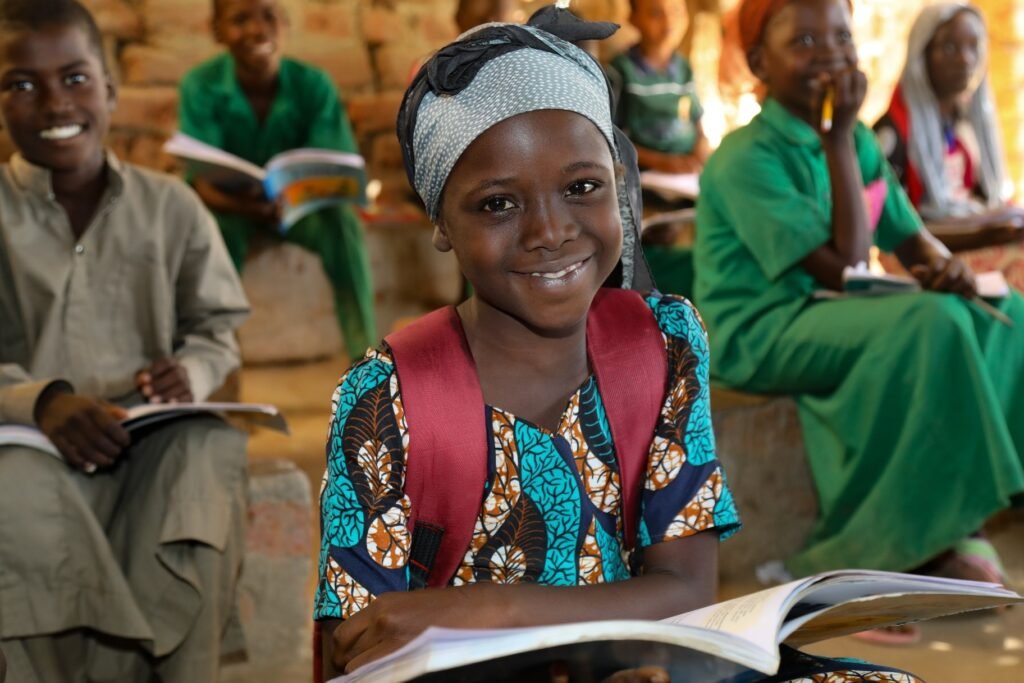
Market-driven education reforms have the potential to transform Africa’s future by bridging the gap between aspiration and opportunity. When education equips young people with relevant skills and fosters an entrepreneurial spirit, it becomes a bridge to prosperity rather than a barrier to ambition.
This transformation requires leaders at every level to embrace reforms that prioritise practical learning, industry engagement, and innovation. It also calls for investments in infrastructure, teacher training, and digital tools that enhance learning outcomes. Education must be seen not just as a social good but as an economic imperative that can unlock the full potential of Africa’s young population.
If Africa wants to harness the energy, creativity, and ambition of its youth, education systems must evolve to meet the demands of the 21st century. By building partnerships between schools and the private sector, integrating entrepreneurship into learning, and supporting innovation ecosystems, nations across the continent can equip young people to drive sustainable development. Empowering youth through meaningful education reform is not merely policy. It is a moral obligation and a strategic investment in the future of Africa.
Join Our Social Media Channels:
WhatsApp: NaijaEyes
Facebook: NaijaEyes
Twitter: NaijaEyes
Instagram: NaijaEyes
TikTok: NaijaEyes
READ THE LATEST EDUCATION NEWS