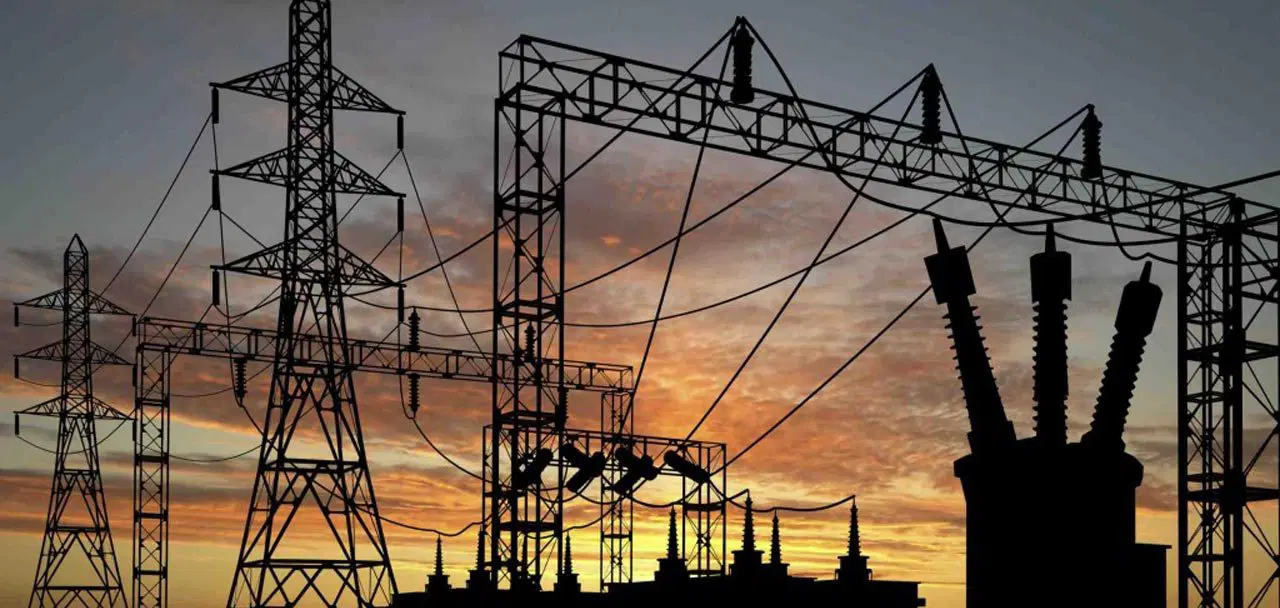

In an effort to resolve persistent collapses of the national power grid, the Federal Government has greenlit the development of a new Eastern-Western energy transmission infrastructure.
The initiative was announced by the Minister of Power, Joseph Tegbe, during the recent HBSAN energy conference in Lagos, where he outlined strategic measures to address foundational weaknesses within the country’s electrical grid.
Tegbe indicated that the government is preparing to commence the procurement phase, with citizens projected to experience the tangible benefits of the infrastructure projects within two to three years.
He further revealed that a comprehensive technical audit has been launched nationwide to diagnose underlying faults within the power sector and establish clear operational priorities.
“We have clustered Nigeria into three energy zones. The first one is the one that demands 50 per cent. If you fix Lagos and you fix the Abuja corridors, you’ve solved more than half of the problem of Nigeria. Because you can’t do that alone based on operational efficiency, you also have to build out your grid.
The Minister noted that presidential approval has been granted to initiate the development of the Eastern-Western power grid, explaining that procurement processes are underway and tangible results will materialize within a timeframe of two to three years.
He added that the comprehensive technical audit of the electrical network is designed to identify structural defects and pinpoint specific facilities requiring urgent repair or replacement.
Backstory…
Frequent blackouts have remained a major challenge for Nigerians for decades, with homes, businesses, schools and hospitals repeatedly affected by unreliable electricity supply.
The problem reflects longstanding weaknesses in the country’s power infrastructure, including ageing transmission equipment, insufficient generation, gas supply constraints and repeated faults across the national grid.
The problem has continued into 2026, with repeated grid disturbances disrupting supply across the country.
In January, the national grid collapsed twice, while further incidents in the months that followed renewed concerns about the stability of the electricity network
The latest disruption on October 19, 2026, came after electricity generation plunged from about 3,840 megawatts to 476.70MW within hours.
Read Also: Nigeria National Grid Collapses For The Second time in 2026